
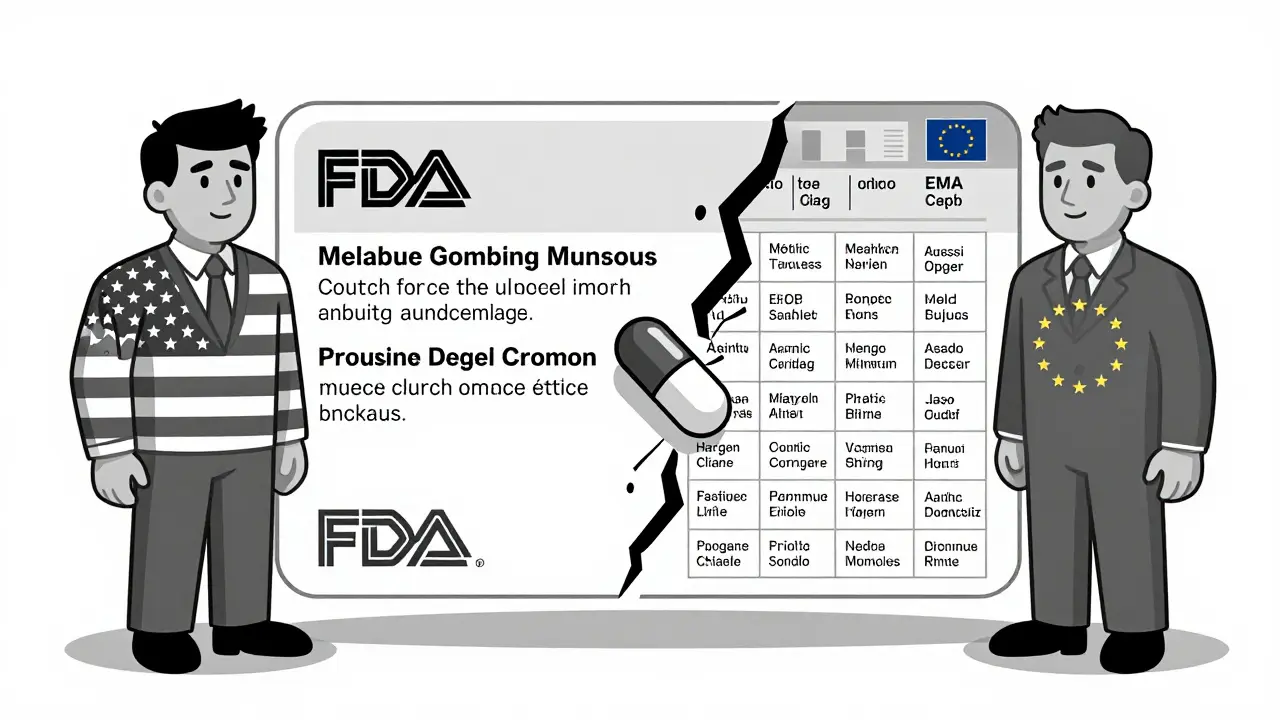
EMA and FDA drug labeling differ in legal structure, approved uses, risk communication, and language requirements - creating major challenges for global drug development and patient access. These differences impact prescribing, insurance coverage, and market timelines.
Author: Eugene Matthias - Page 2

How to Transport Medications in Hot and Cold Weather: A Practical Guide for Travelers and Caregivers
Learn how to safely transport temperature-sensitive medications like insulin and vaccines in extreme heat and cold. Practical tips for travelers, caregivers, and patients to avoid dangerous temperature excursions.

Choosing the right antiemetic for medication-induced nausea requires matching the drug to the cause, patient risk, and cost. Learn which agents work best for surgery, opioids, and chemo-and which ones to avoid.

Learn how to reduce dust mite allergens in your home with proven methods: wash bedding at 130°F, keep humidity below 50%, and use a HEPA vacuum. These three steps cut allergy symptoms by up to 90%.

Insulin pump therapy offers better blood sugar control and flexibility for type 1 diabetes, but comes with costs, technical risks, and daily demands. Learn the real pros, cons, and how to get started.

Next-generation GLP-1 agents like retatrutide and orforglipron offer unprecedented weight loss but come with serious side effects and unknown long-term risks. Understand the real safety profile before starting.

Learn how adverse event rates in clinical trials are calculated, why simple percentages can mislead, and why the FDA now requires exposure-adjusted methods like EAIR to accurately measure drug safety.

Learn how to manage common antibiotic side effects like nausea, diarrhea, and sun sensitivity without stopping your course. Discover science-backed tips to stay on track and help fight antibiotic resistance.

Pharmaceutical advertising shapes how patients view generic drugs, often making them believe branded medications are superior - even when generics are just as effective and far cheaper. The system benefits companies, not patients.

Learn how pharmacists prevent dangerous errors in customized medications through dual verification, USP standards, proper labeling, and technology. Essential reading for patients and providers relying on compounded drugs.