
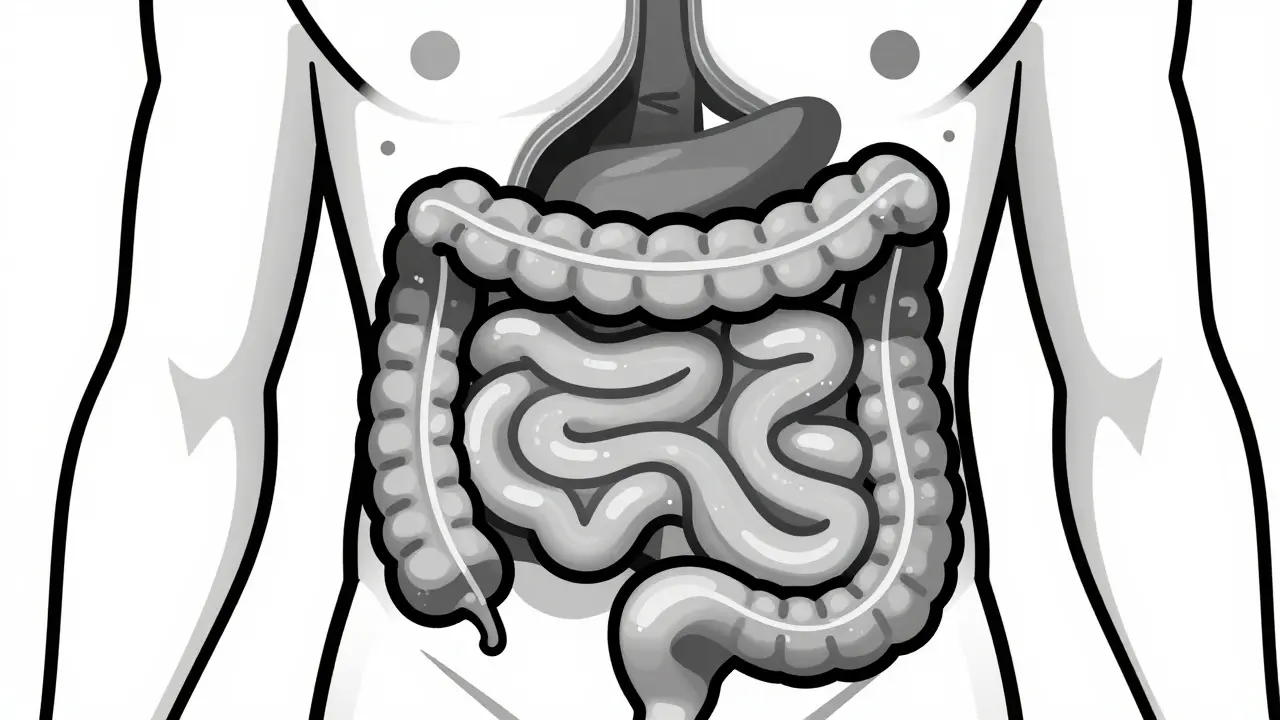
Explore common opioid side effects like constipation, drowsiness, and nausea. Learn medical management strategies, treatment options, and safety tips for pain therapy.
DoctorSolve.com: Your Pharmaceutical Advisor - Page 2
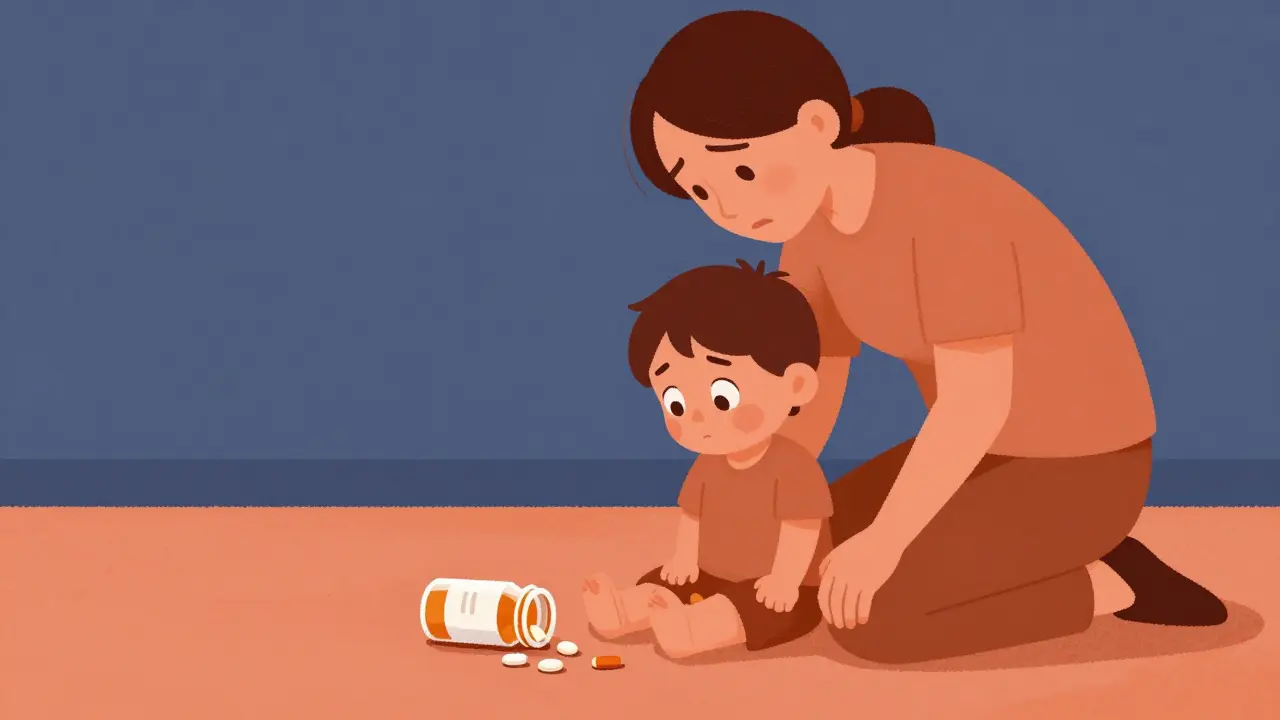
Learn the critical first steps for antihistamine overdose emergency treatment, including when to call Poison Control, hospital protocols, and the risks of first-generation vs. second-generation drugs.
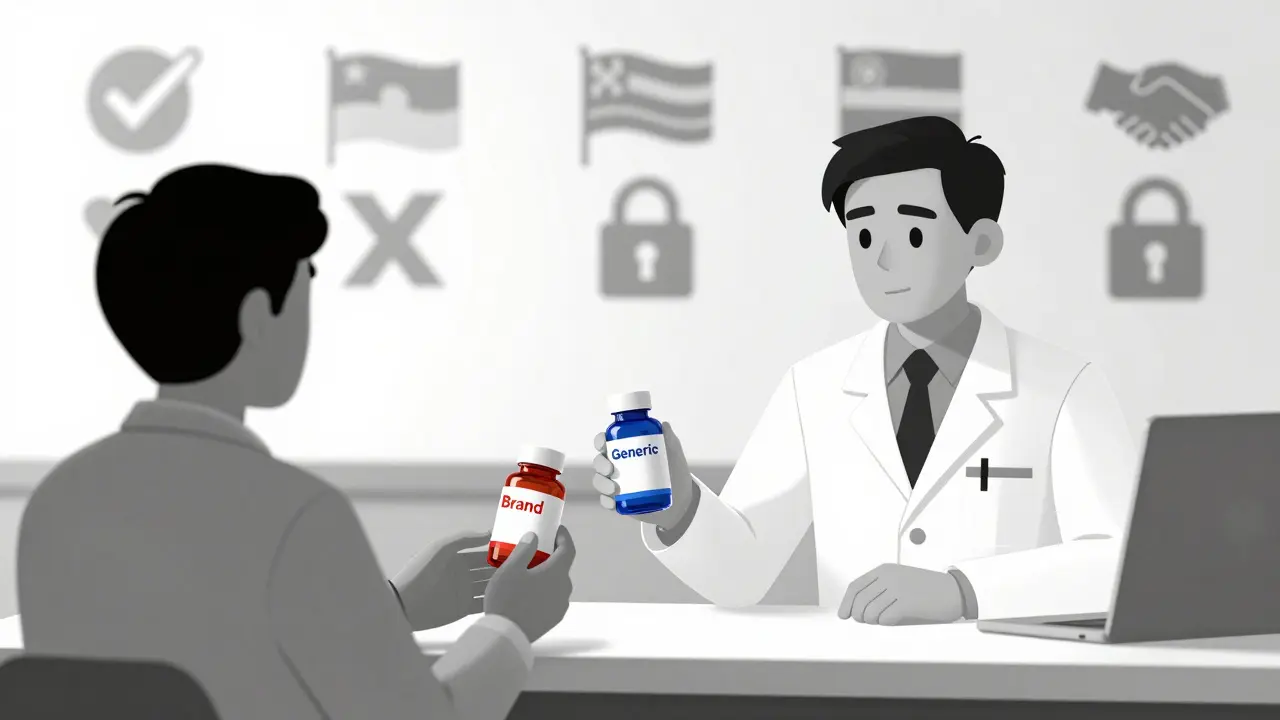
Generic drug substitution laws vary across all 50 U.S. states and D.C., affecting costs, safety, and patient care. Some states require substitution, others require consent, and biosimilars face even stricter rules. This guide breaks down the key differences and real-world impacts.
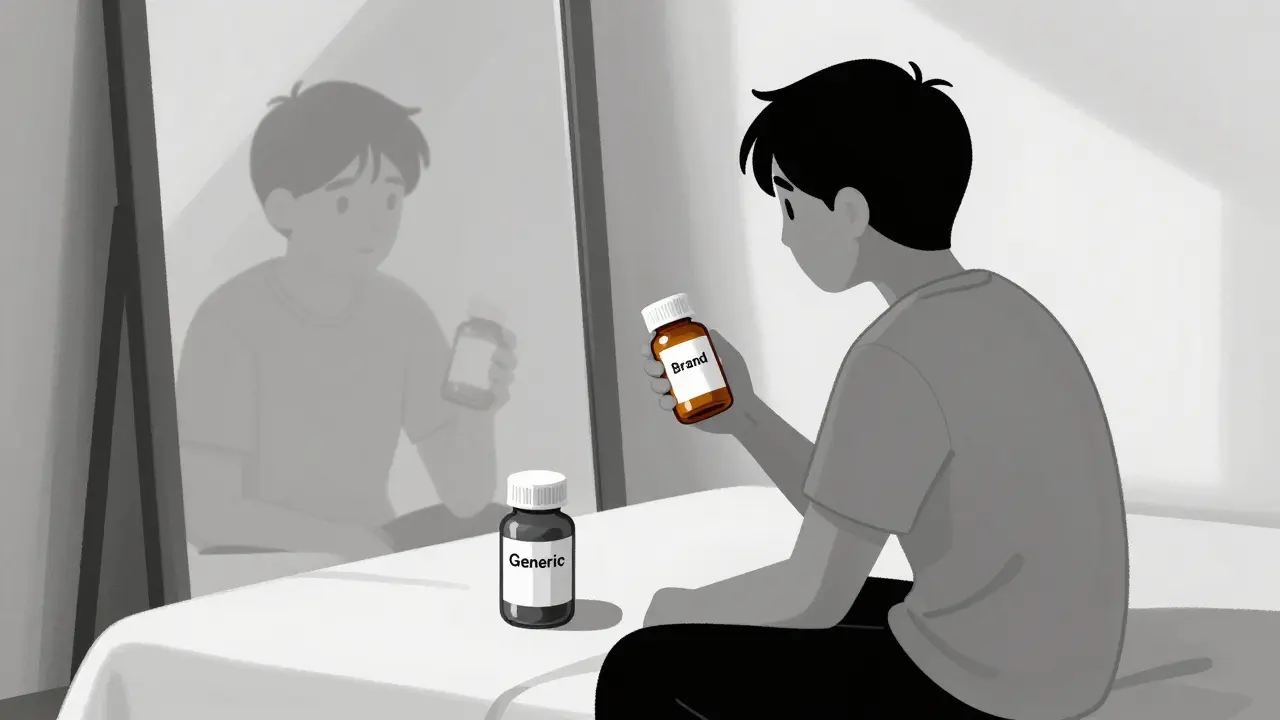
Changing psychiatric medications can trigger deep psychological effects - from emotional numbness to loss of trust. Learn why medication switches aren't just clinical decisions, but life-altering events.
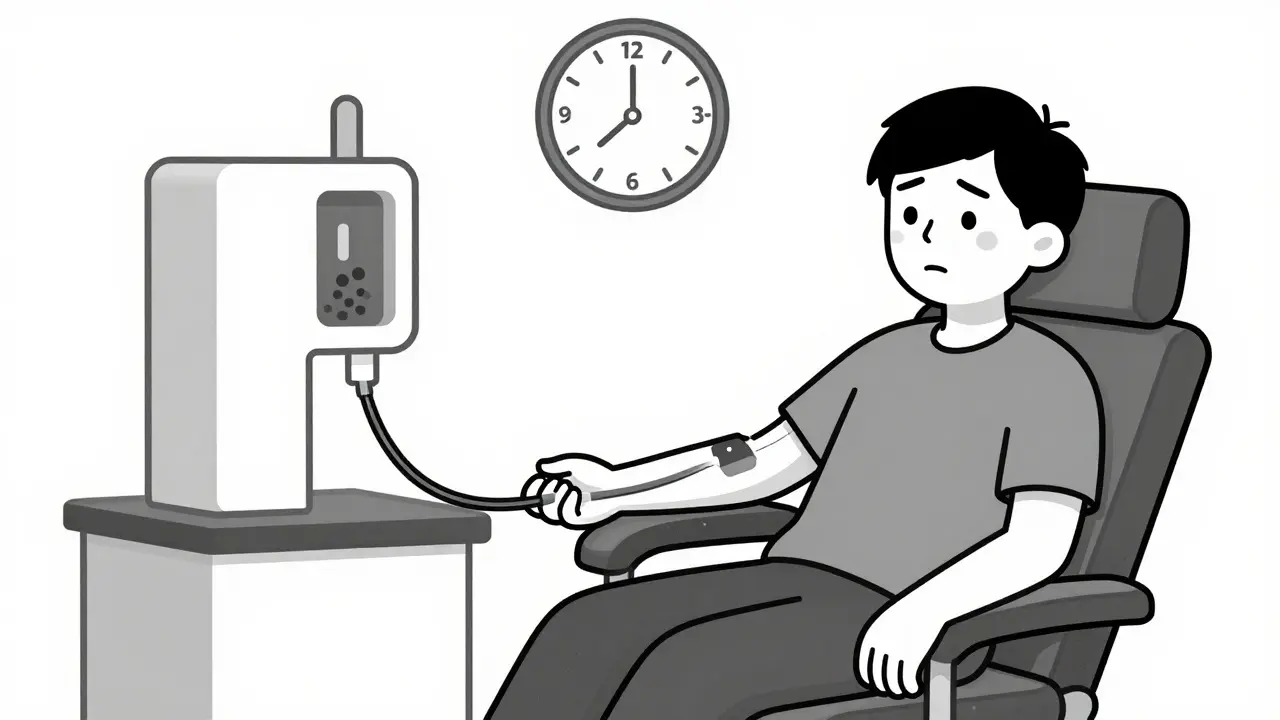
Hemodialysis and peritoneal dialysis both treat kidney failure, but they work differently. Learn how each affects your body, lifestyle, and long-term health-so you can make the best choice for you.

Drug desensitization is a medically supervised procedure that allows patients with life-threatening drug allergies to safely receive essential medications by gradually increasing doses. Used in cancer, rheumatology, and infectious disease, it's the only option when no alternatives exist.
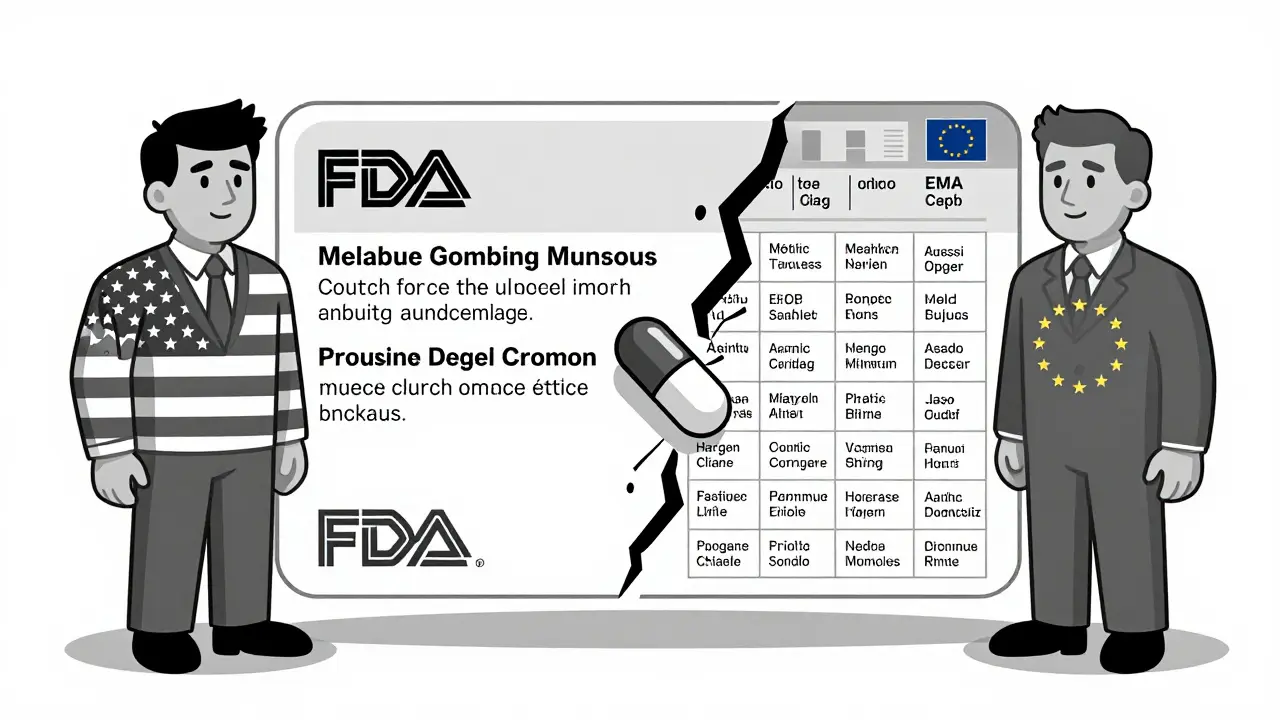
EMA and FDA drug labeling differ in legal structure, approved uses, risk communication, and language requirements - creating major challenges for global drug development and patient access. These differences impact prescribing, insurance coverage, and market timelines.

How to Transport Medications in Hot and Cold Weather: A Practical Guide for Travelers and Caregivers
Learn how to safely transport temperature-sensitive medications like insulin and vaccines in extreme heat and cold. Practical tips for travelers, caregivers, and patients to avoid dangerous temperature excursions.
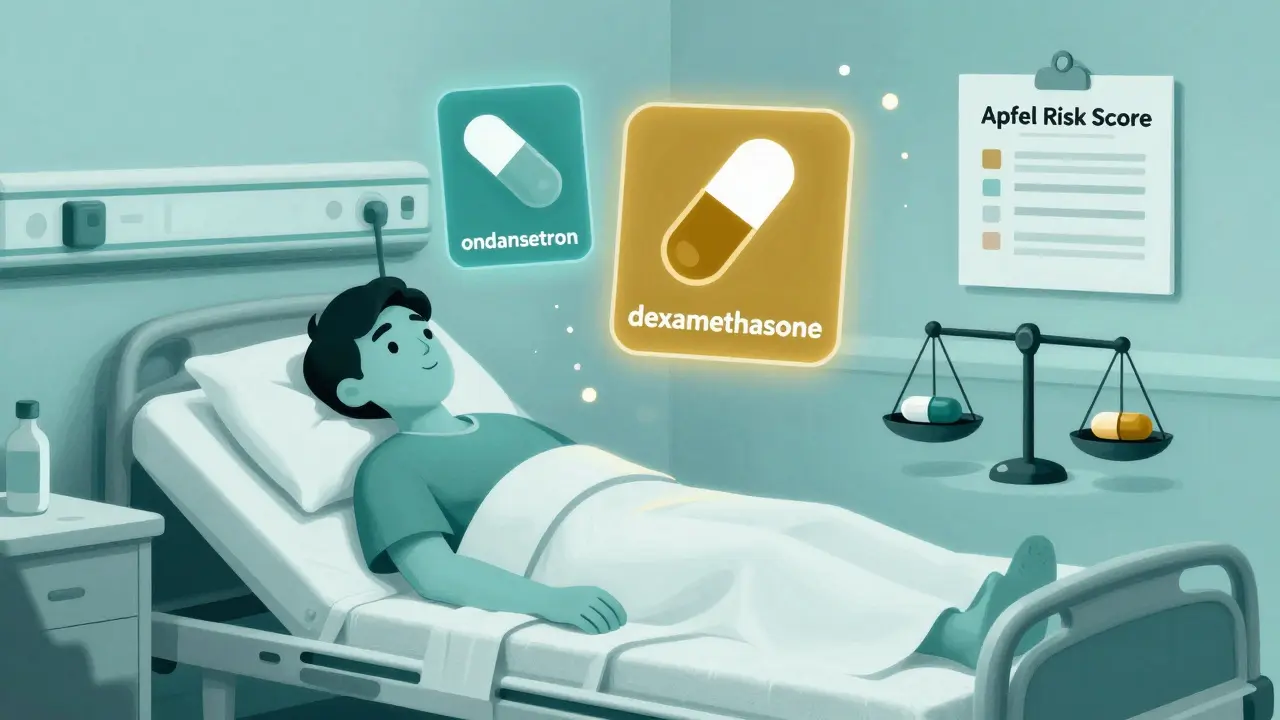
Choosing the right antiemetic for medication-induced nausea requires matching the drug to the cause, patient risk, and cost. Learn which agents work best for surgery, opioids, and chemo-and which ones to avoid.
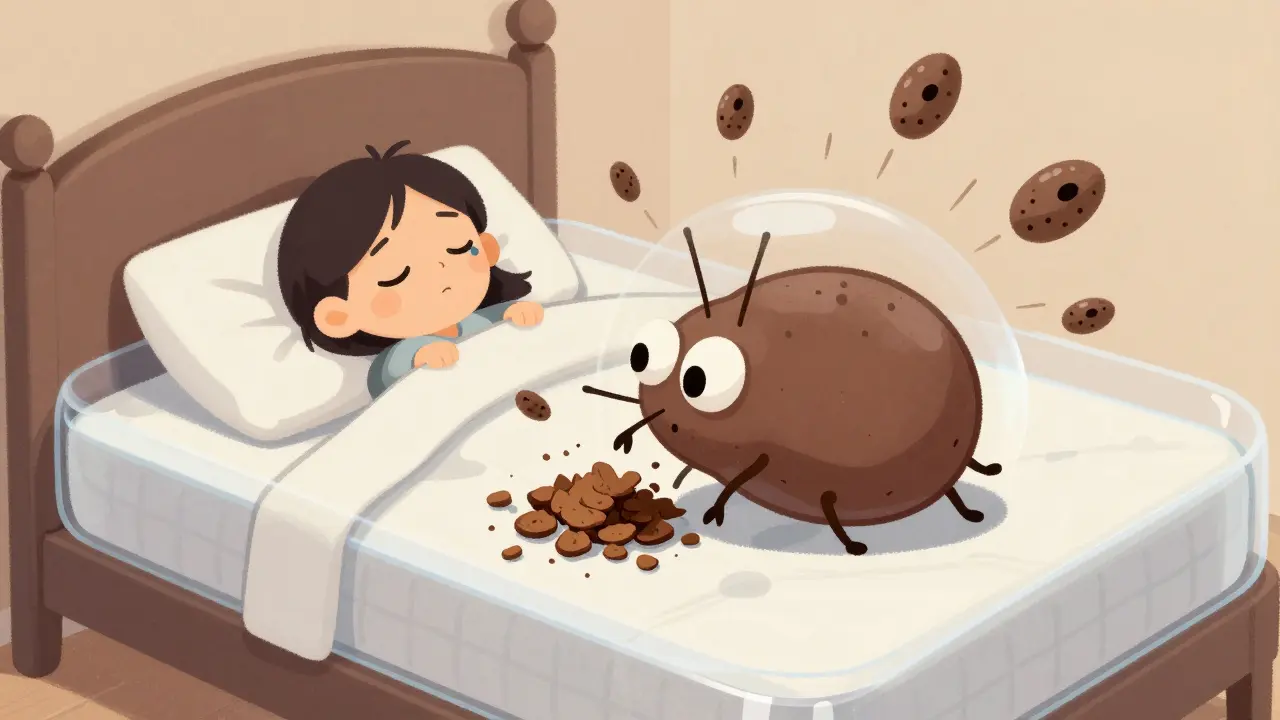
Learn how to reduce dust mite allergens in your home with proven methods: wash bedding at 130°F, keep humidity below 50%, and use a HEPA vacuum. These three steps cut allergy symptoms by up to 90%.