
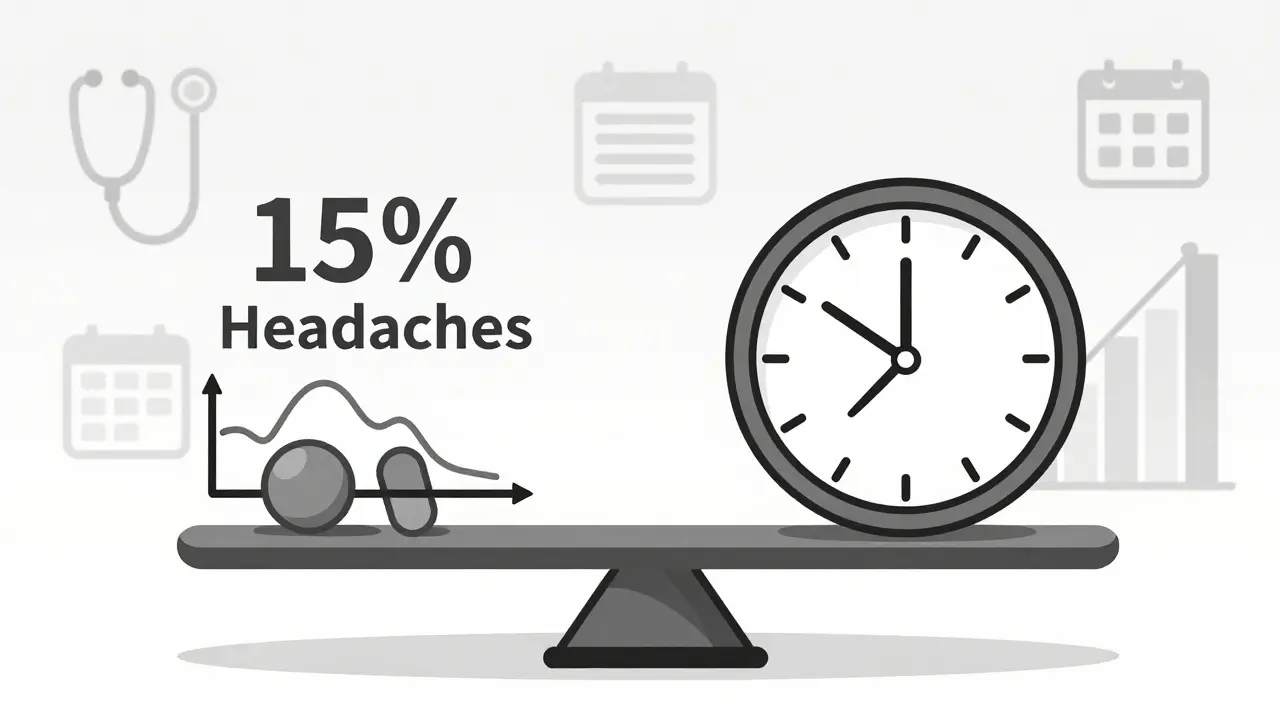
Learn how adverse event rates in clinical trials are calculated, why simple percentages can mislead, and why the FDA now requires exposure-adjusted methods like EAIR to accurately measure drug safety.
Category: Health and Medicine - Page 2
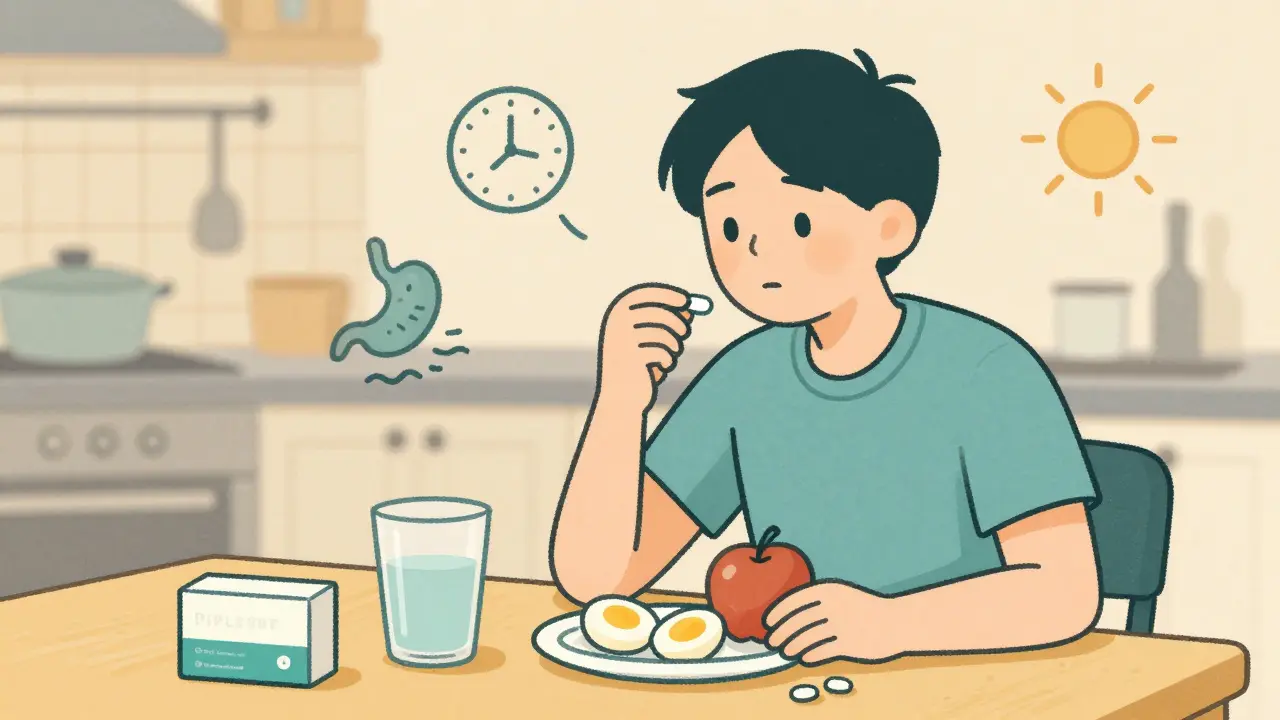
Learn how to manage common antibiotic side effects like nausea, diarrhea, and sun sensitivity without stopping your course. Discover science-backed tips to stay on track and help fight antibiotic resistance.
Pharmaceutical advertising shapes how patients view generic drugs, often making them believe branded medications are superior - even when generics are just as effective and far cheaper. The system benefits companies, not patients.
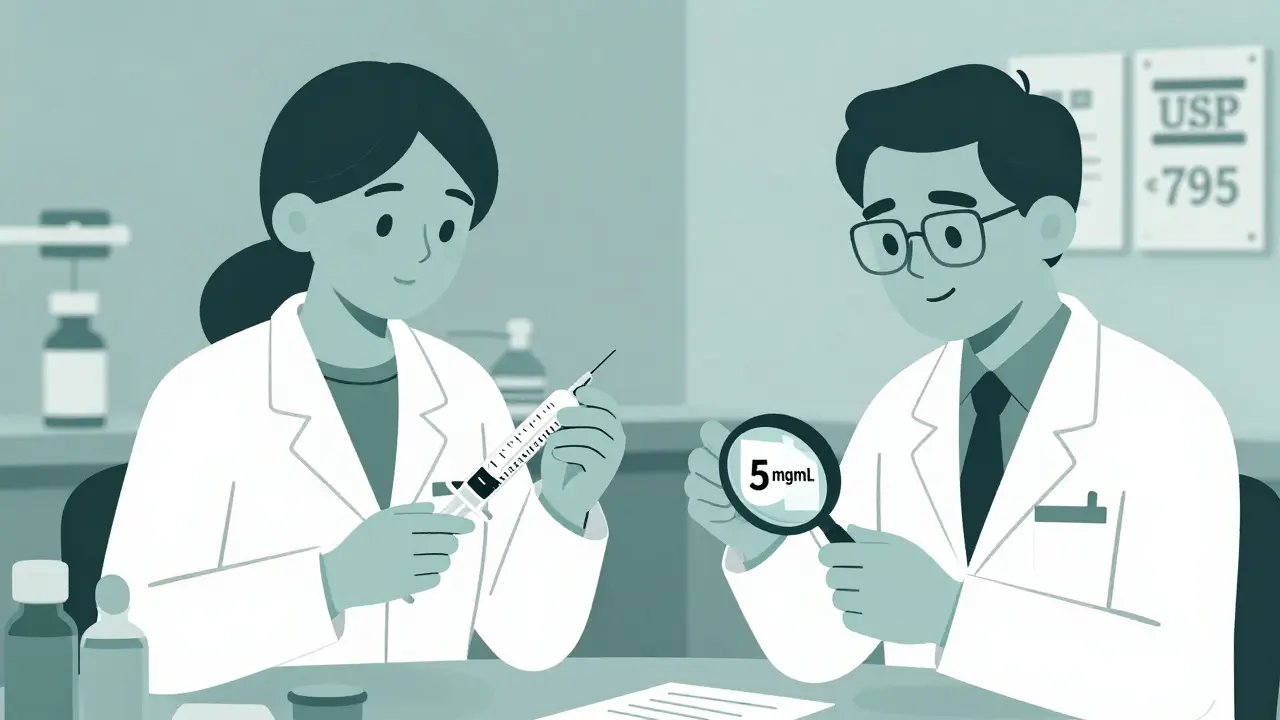
Learn how pharmacists prevent dangerous errors in customized medications through dual verification, USP standards, proper labeling, and technology. Essential reading for patients and providers relying on compounded drugs.
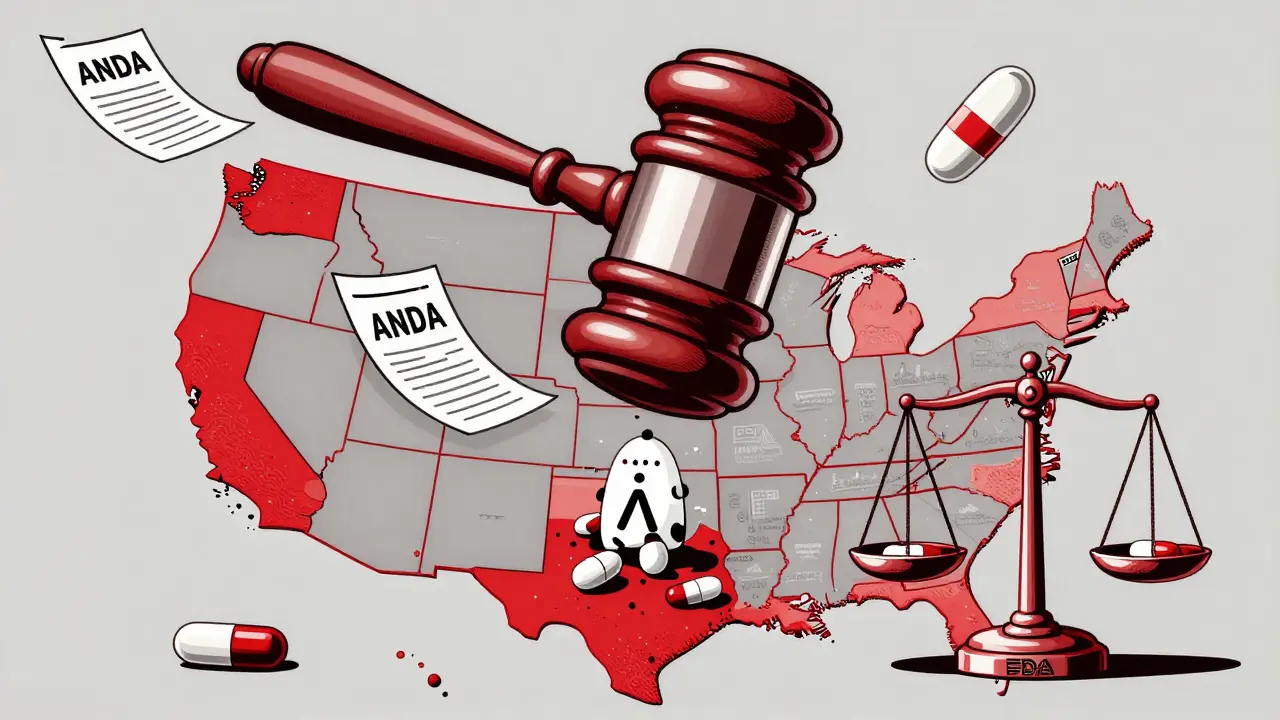
The Federal Circuit Court holds exclusive authority over U.S. pharmaceutical patent cases, shaping how generics enter the market, how patents are challenged, and how dosing regimens are protected. Its rulings directly impact drug prices, timelines, and billions in revenue.
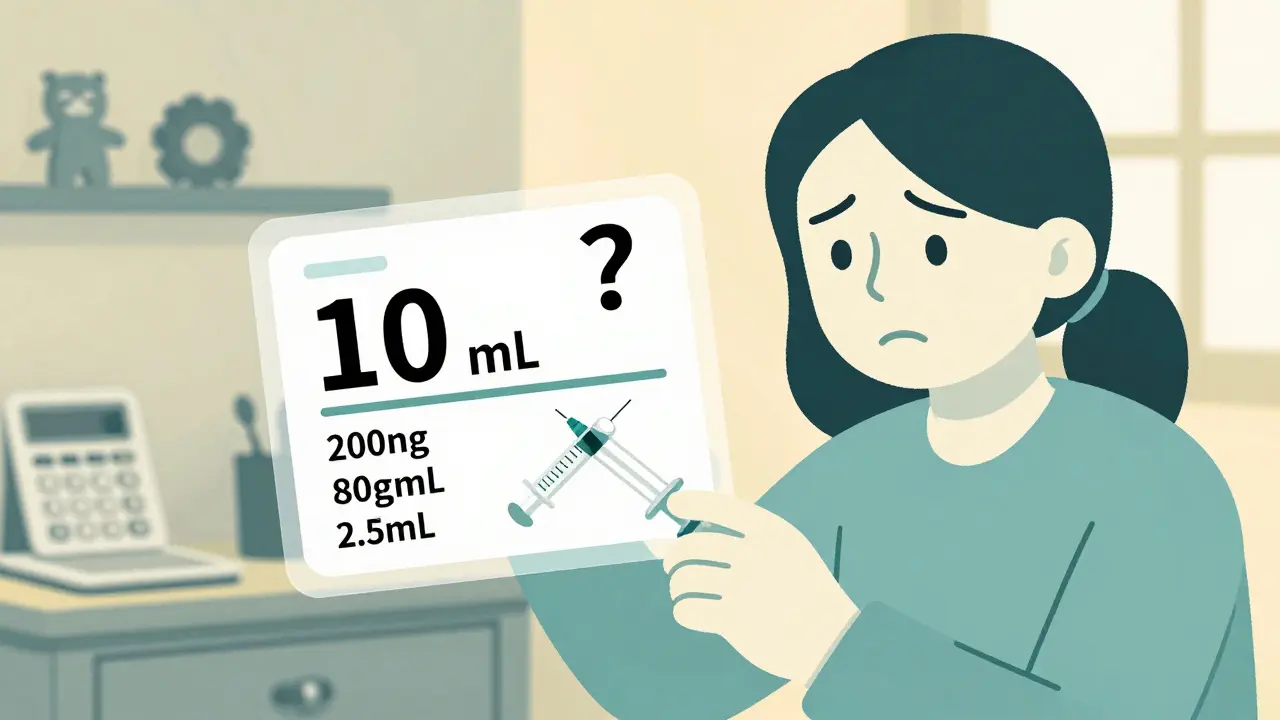
Confirming pediatric dosing on a prescription label saves lives. Learn how to check weight, milligrams, and concentration to avoid dangerous errors. Every parent should know these steps.
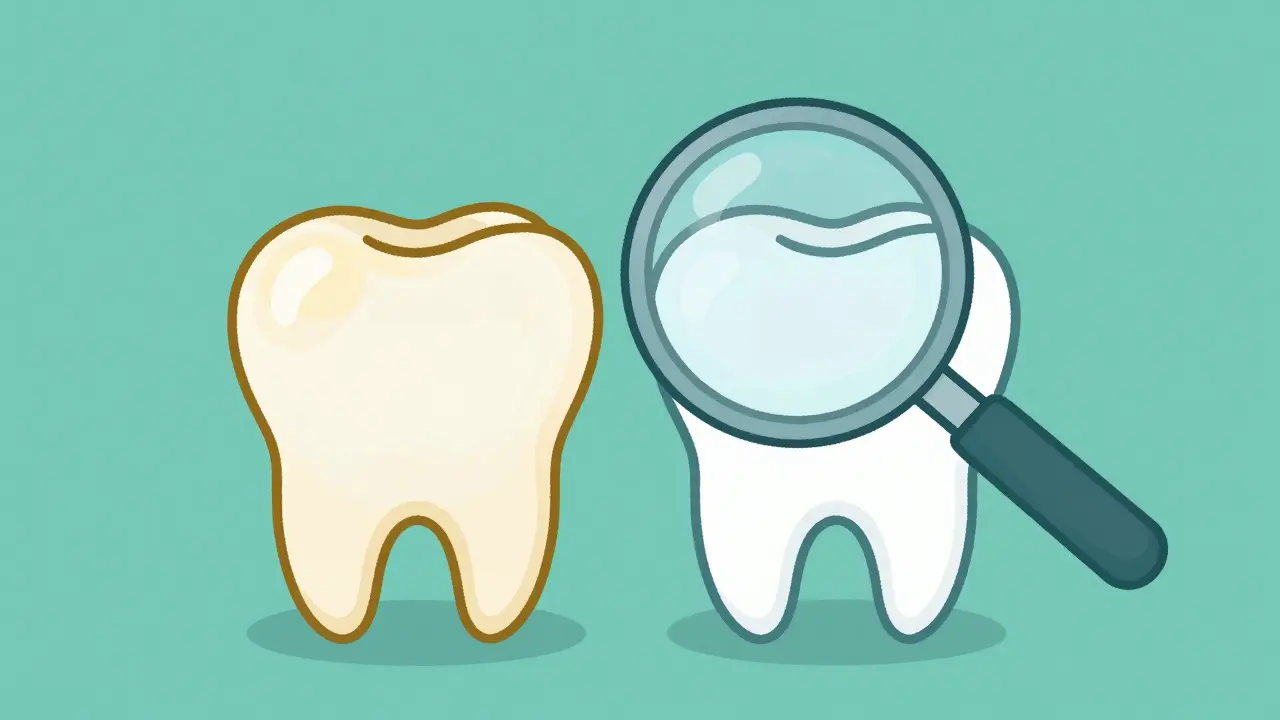
Doxycycline is now safe for kids with RMSF; studies show minimal tooth staining risk. Delayed treatment can be fatal. Learn current guidelines and why this matters for pediatric antibiotic use.
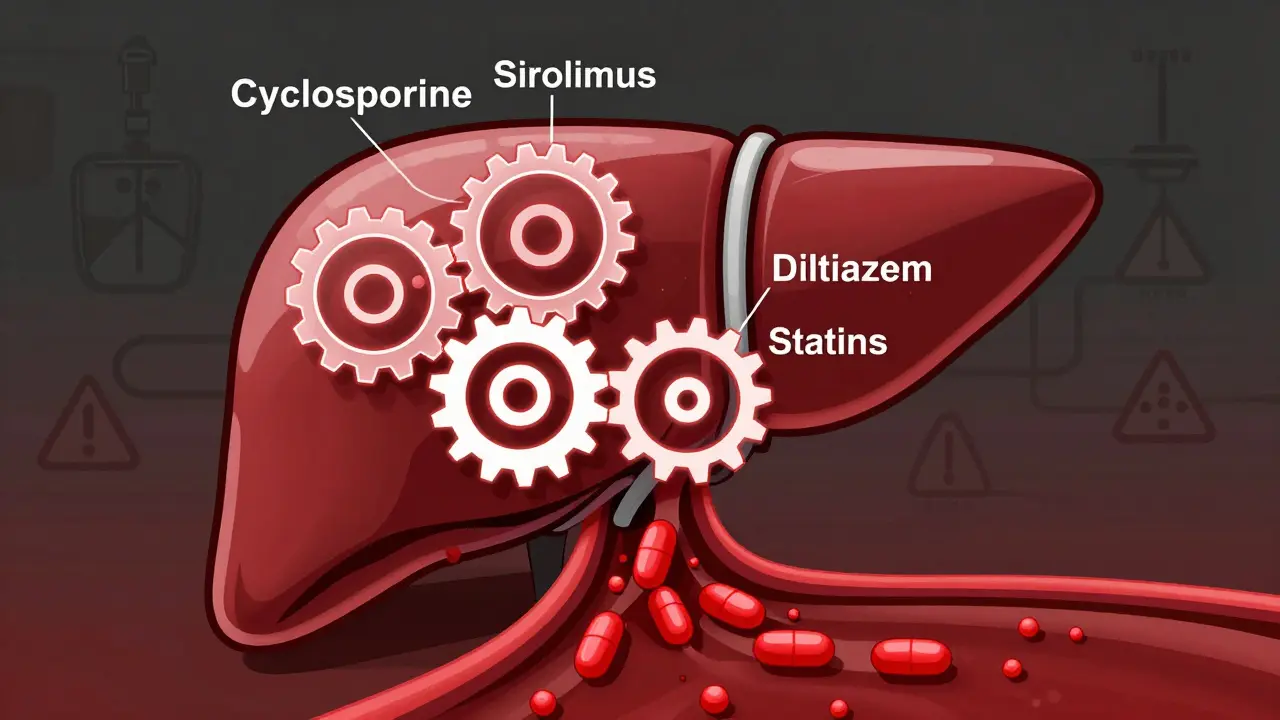
Cyclosporine inhibits the CYP3A4 enzyme, altering how your body processes many common drugs. This can lead to dangerous toxicity or transplant rejection. Learn which medications to avoid and how to stay safe.
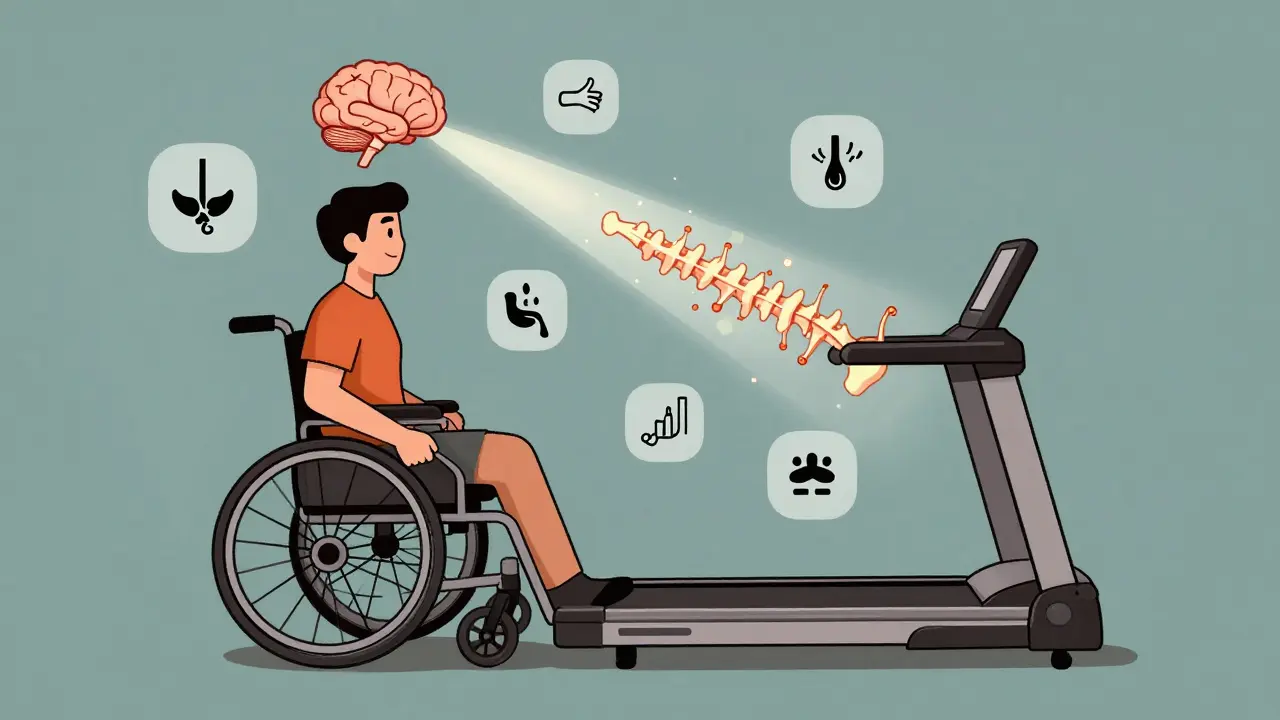
Spinal cord injury causes loss of movement and sensation, but modern rehab and assistive devices can restore independence. Learn how therapy, exoskeletons, FES cycling, and peer support help people rebuild their lives after SCI.
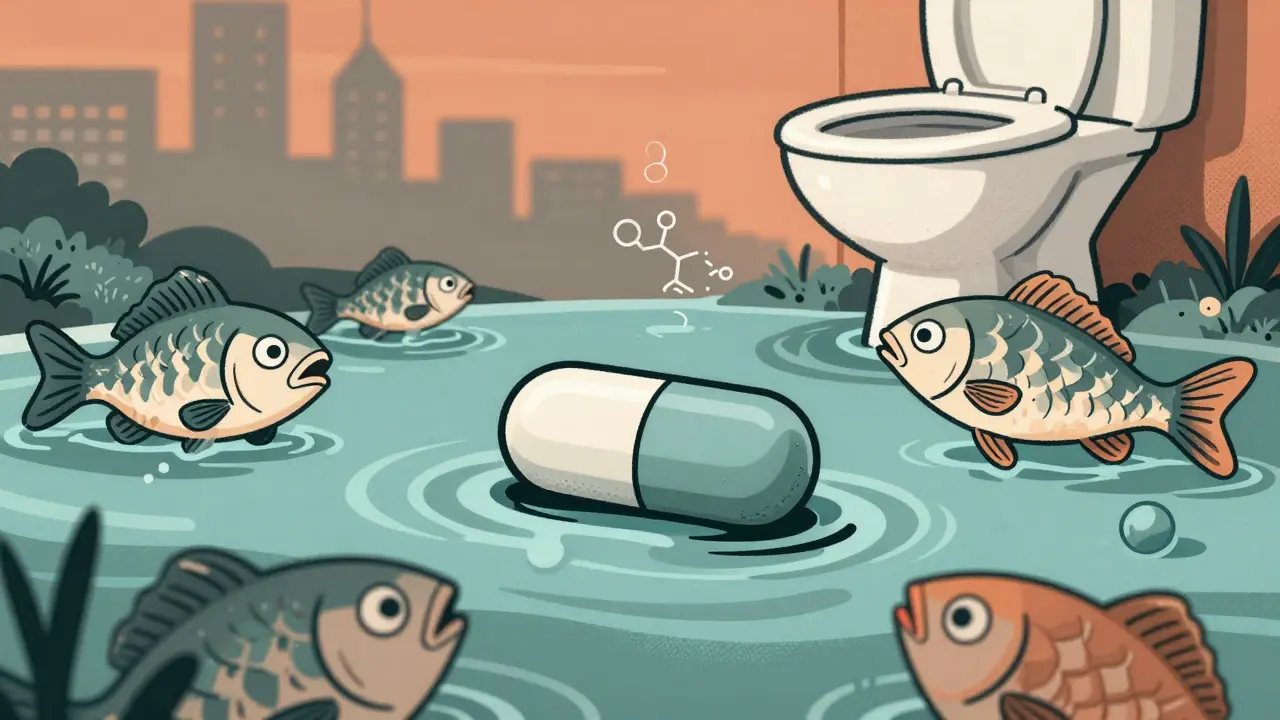
Flushing medications pollutes waterways and harms wildlife. Learn why this practice is dangerous, what alternatives exist, and how to safely dispose of unused drugs to protect the environment.