
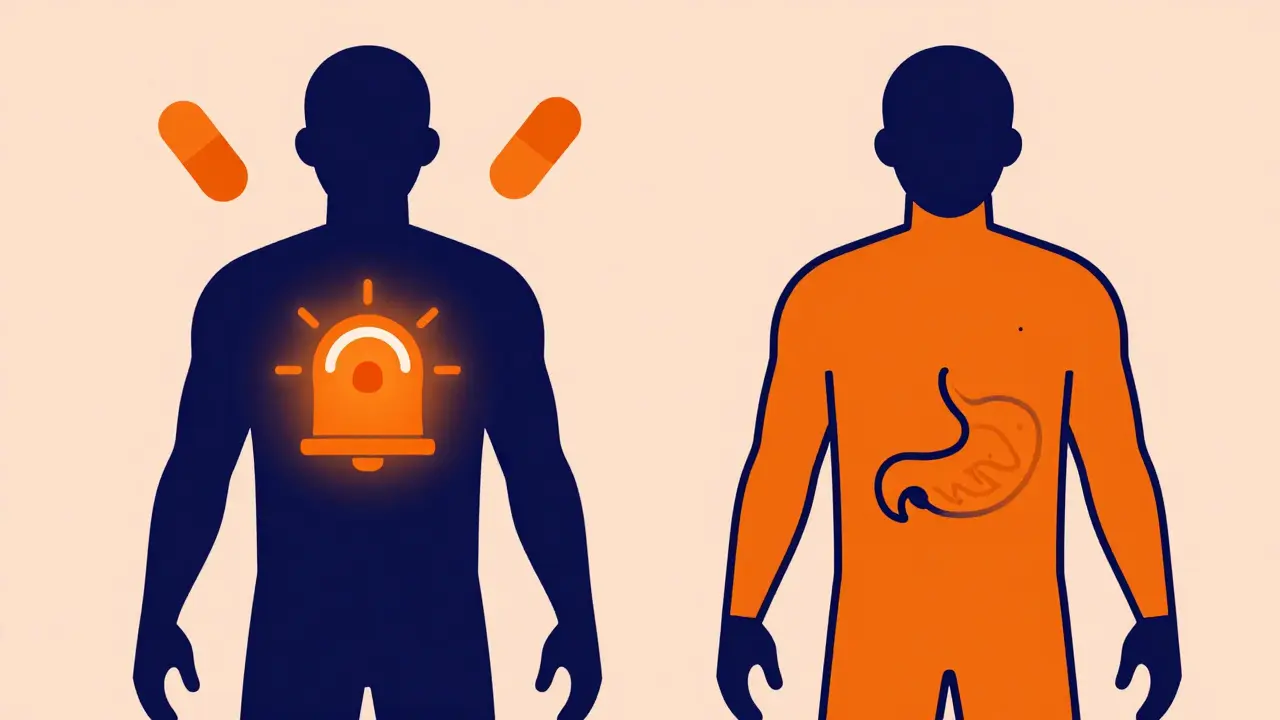
Learn the critical difference between drug allergies and side effects. Discover why mislabeling matters for your health and wallet, plus tips for verifying your medical history safely.
Medication Safety: Protect Yourself from Harmful Errors and Side Effects
When you take a pill, you expect it to help—not hurt. But medication safety, the practice of using drugs correctly to avoid harm. Also known as drug safety, it’s not just about following directions. It’s about understanding how your body reacts, how the system protects you, and when something goes wrong, how to speak up. Every year, hundreds of thousands of people end up in emergency rooms because of medication errors. Most aren’t caused by doctors or pharmacists. They happen at home—because someone mixed up pills, didn’t know about a dangerous interaction, or couldn’t open the bottle.
That’s where child-resistant packaging, special caps designed to stop young kids from opening medicine bottles. Also known as CR packaging, it’s one of the quietest public health wins of the last 50 years. These caps don’t stop adults—they stop toddlers. And while they’re not perfect (many seniors struggle to open them), they’ve cut pediatric poisonings by more than half. Then there’s FDA generic drug quality, the strict rules that make sure a $5 generic pill works just like its $50 brand-name version. Also known as generic drug approval, it’s not a loophole—it’s science. The FDA doesn’t just check the label. They show up unannounced at factories, test batches, and demand proof that every pill contains the right amount of active ingredient. If it fails, it doesn’t hit the shelf.
But even perfect pills can cause problems. That’s why adverse drug reaction, an unexpected or harmful effect from a medicine taken correctly. Also known as drug side effect, it’s something you need to report—not just ignore. One person’s mild dizziness could be the first sign of a dangerous interaction. The FDA’s MedWatch system exists because patients and doctors speak up. And when you’re on long-term meds, medication compliance, how consistently you take your drugs as prescribed. Also known as medication adherence, it’s not about willpower—it’s about systems. Support groups, pill organizers, and reminders from family cut hospital visits. One study showed people who joined peer-led programs were 40% less likely to end up back in the ER.
Medication safety isn’t a checklist. It’s a habit. It’s knowing your pills look different when the manufacturer changes. It’s asking if your new headache medicine could make your heart race. It’s checking if your grandparent can actually open their bottle. It’s calling your doctor when something feels off—even if you’re not sure it’s the drug. The system has layers: packaging to protect kids, inspections to protect quality, reporting to protect everyone. But the strongest layer? You.
Below, you’ll find real stories and facts about how medications are made, how they can go wrong, and how real people are staying safe. No fluff. No guesswork. Just what works—and what doesn’t.
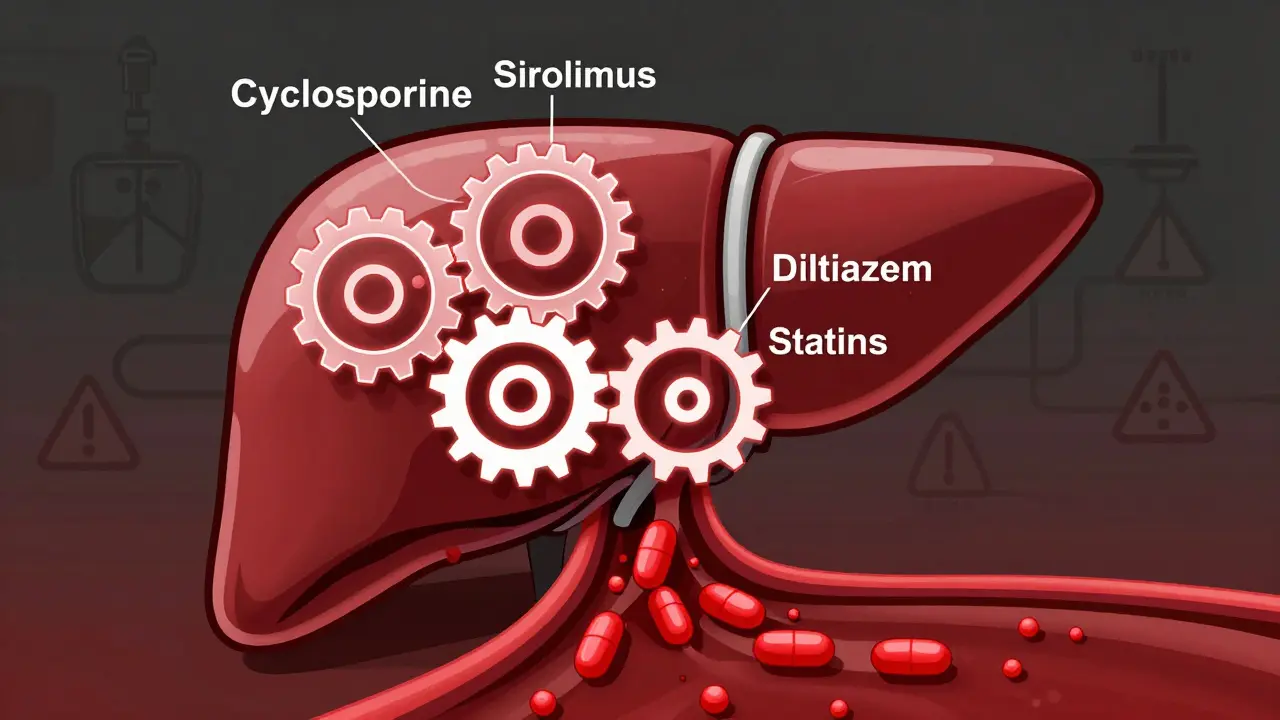
Cyclosporine inhibits the CYP3A4 enzyme, altering how your body processes many common drugs. This can lead to dangerous toxicity or transplant rejection. Learn which medications to avoid and how to stay safe.

Simple lifestyle changes like walking, eating better, and sleeping well can reduce medication needs by up to 50% for conditions like high blood pressure and diabetes. Learn how to work with your meds-not against them.
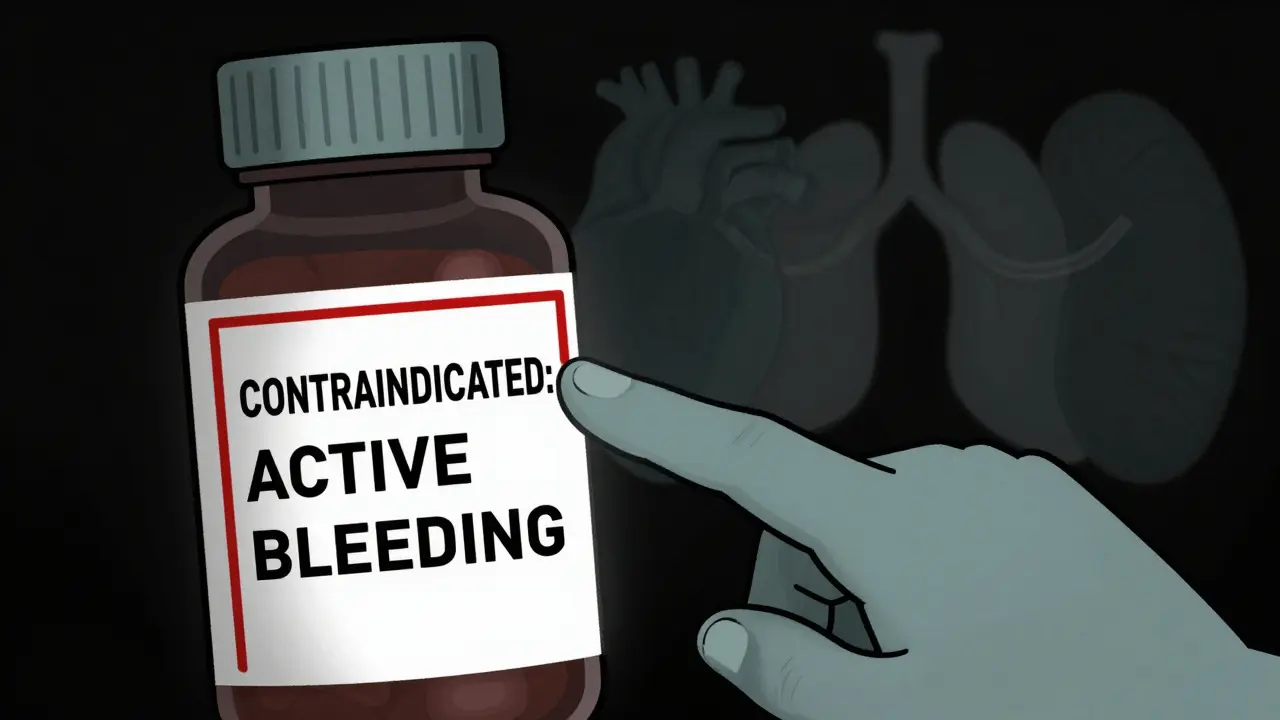
Learn how to read contraindications and warnings on drug labels to avoid dangerous side effects. Understand FDA-mandated sections like boxed warnings, absolute vs. relative contraindications, and how to use this info to stay safe.
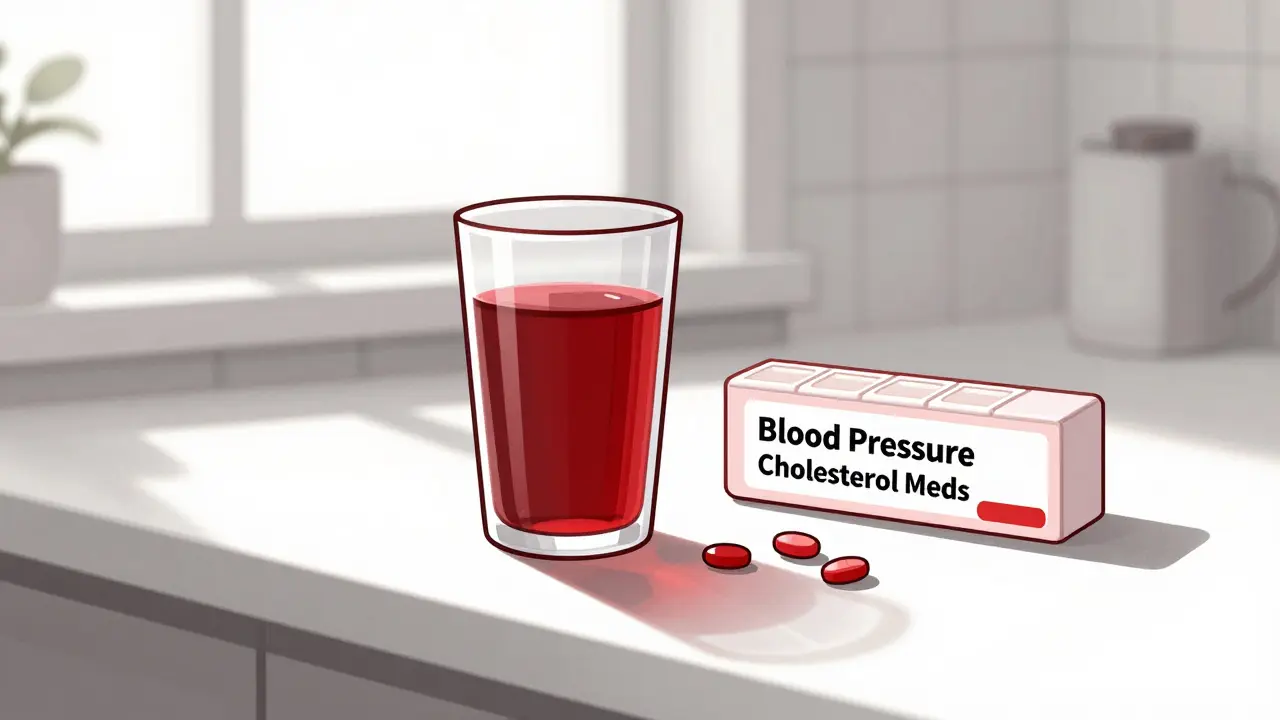
Pomegranate juice doesn't interact with medications the way grapefruit juice does. Human studies show no clinically significant effects on drug metabolism, despite early lab results suggesting otherwise. You can safely drink it with most meds.
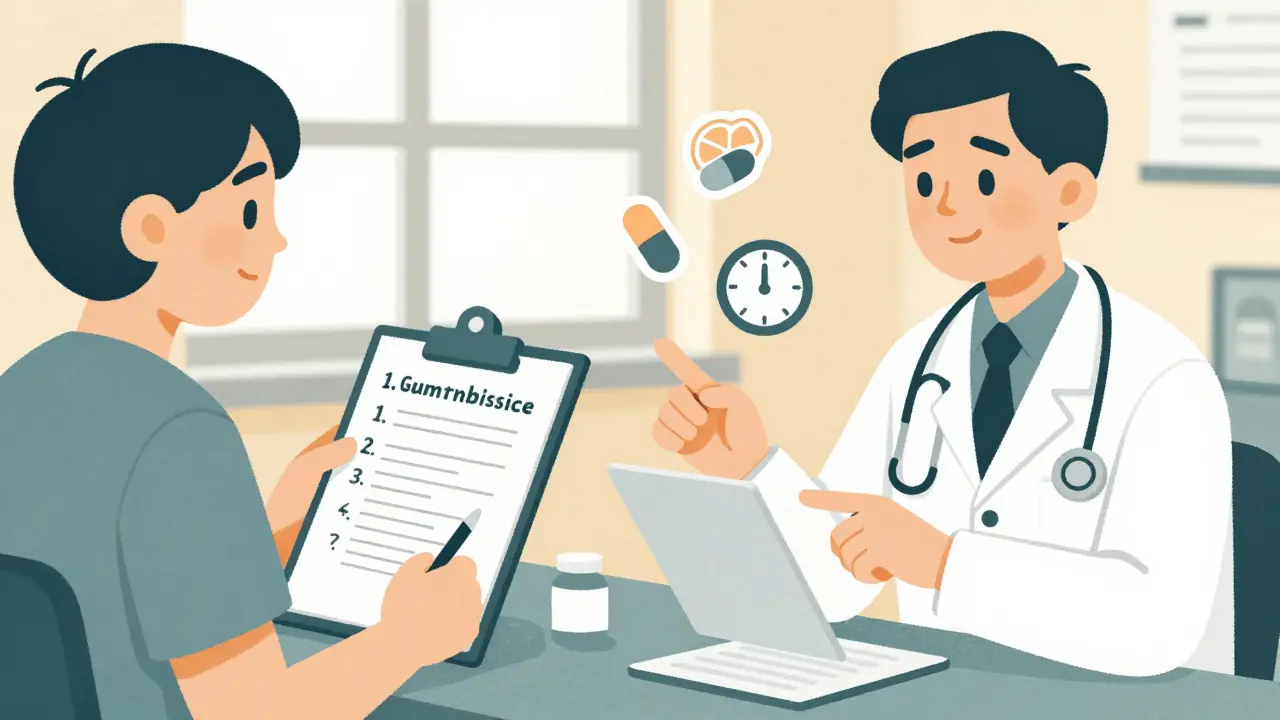
Knowing what to ask your doctor before starting a new medication can prevent dangerous side effects, improve adherence, and save your life. Here are the essential questions backed by research and real patient experiences.
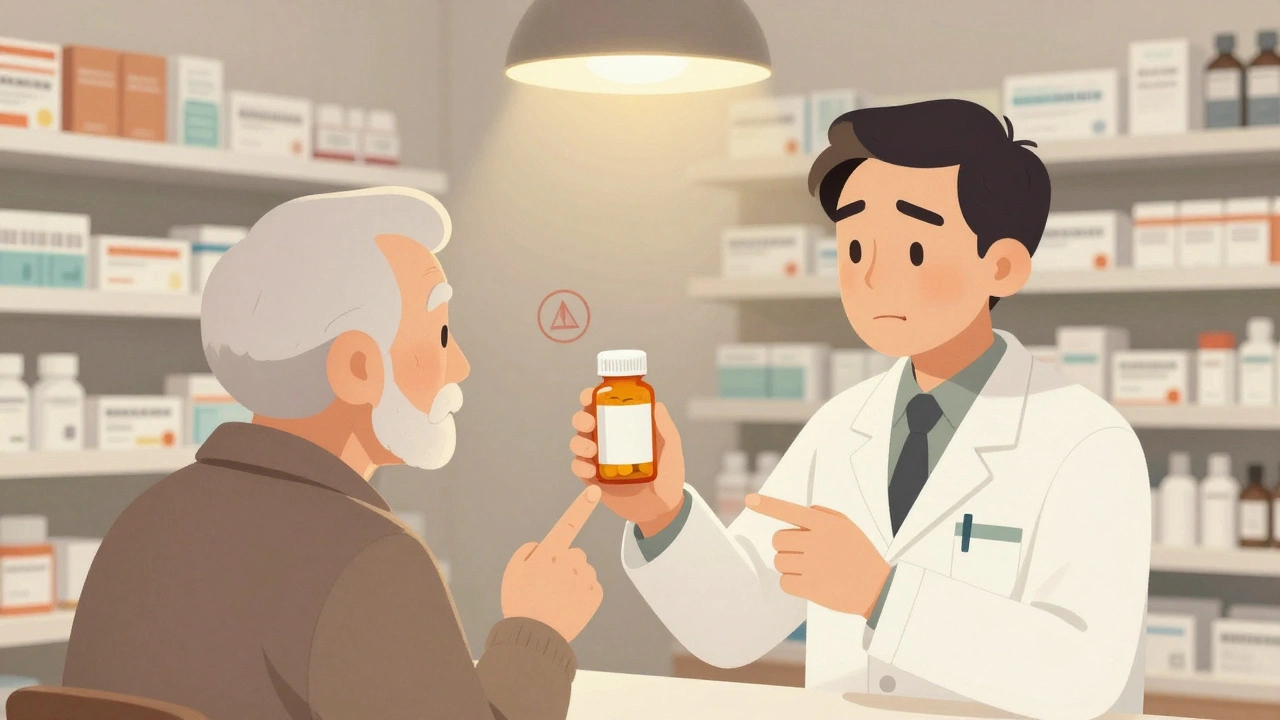
Patient counseling catches 83% of dispensing errors before patients leave the pharmacy. Learn how to use open-ended questions, teach-back methods, and physical verification to stop medication mistakes - and why this simple step saves lives and money.