
Pomegranate Juice Medication Interaction Checker
Check Your Medication Safety
Pomegranate juice is generally safe with most medications, but check if your specific drug requires caution.
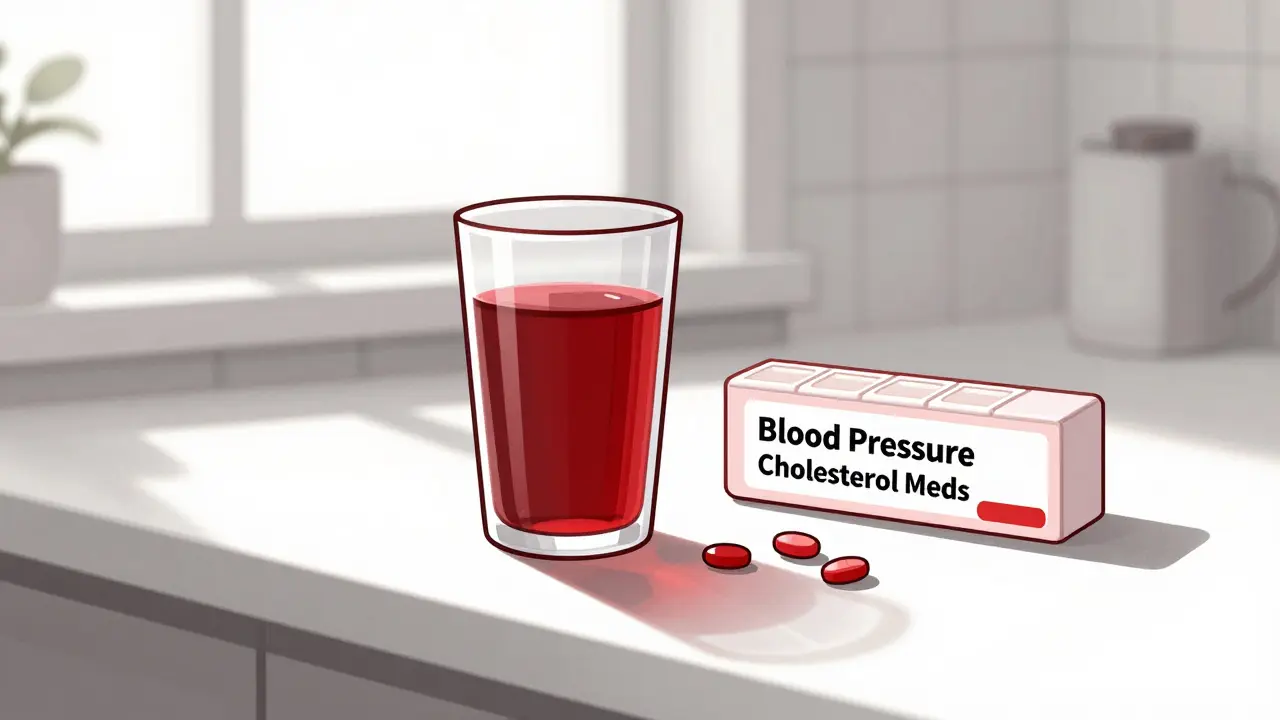
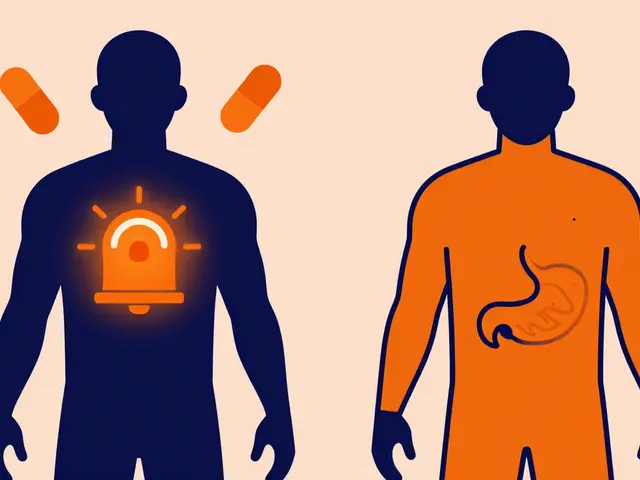
Many people drink pomegranate juice for its antioxidants and tart flavor, but if you're on medication, you might be wondering: pomegranate juice and drugs - is it safe? You’ve probably heard the warnings about grapefruit juice messing with your pills. It’s everywhere: labels on blood pressure meds, cholesterol drugs, even some antidepressants. But what about pomegranate juice? It’s often called the ‘other fruit that interferes with meds.’ So, does it really? Or is this just another case of lab results scaring people unnecessarily?
Why the Confusion Exists
Back in 2005, a lab study from Japan made headlines. Researchers found that pomegranate juice blocked a key enzyme in the liver called CYP3A4 - the same enzyme grapefruit juice shuts down. This enzyme breaks down about half of all prescription drugs. If it’s inhibited, drugs build up in your blood, raising the risk of side effects. At first glance, pomegranate juice looked just as dangerous as grapefruit juice. Some websites even started warning people to avoid it with statins, blood thinners, and heart medications. But here’s the catch: what happens in a test tube doesn’t always happen in your body. The lab study used concentrated juice extracts in human liver cells. Real people don’t drink pure chemical solutions. They sip a glass of juice with breakfast. And that’s where things changed.What Human Studies Actually Show
Between 2007 and 2013, multiple clinical trials tested pomegranate juice on real patients taking real medications. One study gave volunteers flurbiprofen - a painkiller processed by CYP2C9. Another gave midazolam, a sedative broken down by CYP3A4. Participants drank 250 ml of pomegranate juice daily for a week. Then researchers measured how much of the drug stayed in their blood. The results? Almost no change. For midazolam, the area under the curve (AUC) - a measure of total drug exposure - was 98% of normal. For flurbiprofen, it was also 98%. That’s not a meaningful difference. It’s like measuring your weight before and after drinking a glass of water. The numbers didn’t budge. Compare that to grapefruit juice. A single 200 ml glass of grapefruit juice can make the blood levels of felodipine - a blood pressure drug - jump by over 350%. That’s dangerous. Pomegranate juice? Nothing close.Why the Difference? It’s About Concentration
Grapefruit juice contains furanocoumarins - chemicals that permanently disable CYP3A4 enzymes in your gut. Once they’re turned off, your body has to make new ones, which takes days. That’s why even a single glass can cause problems. Pomegranate juice has different compounds - mainly punicalagins and ellagic acid. These may block CYP enzymes in a dish, but they don’t survive digestion well. They get broken down before they reach the gut lining where the enzymes live. So even if you drink a whole bottle, very little of the active stuff actually reaches the right spot to cause trouble.What About Warfarin? The Blood Thinner Question
Warfarin is metabolized by CYP2C9. Grapefruit juice doesn’t affect it much. But pomegranate juice? Some people worry because it’s a “natural anticoagulant.” There’s one case report from 2017 where a patient on warfarin started taking pomegranate extract - not juice - and his INR (a blood clotting measure) jumped from 2.4 to 4.1. That’s risky. But here’s the fine print: he was taking a concentrated supplement, not juice. And he was also taking other herbs. In contrast, a patient on Drugs.com reported drinking pomegranate juice daily for six months while on warfarin. His INR stayed steady between 2.0 and 2.5. No spikes. No issues. A 2012 study specifically tested pomegranate juice with warfarin. No change in INR. No need to adjust the dose.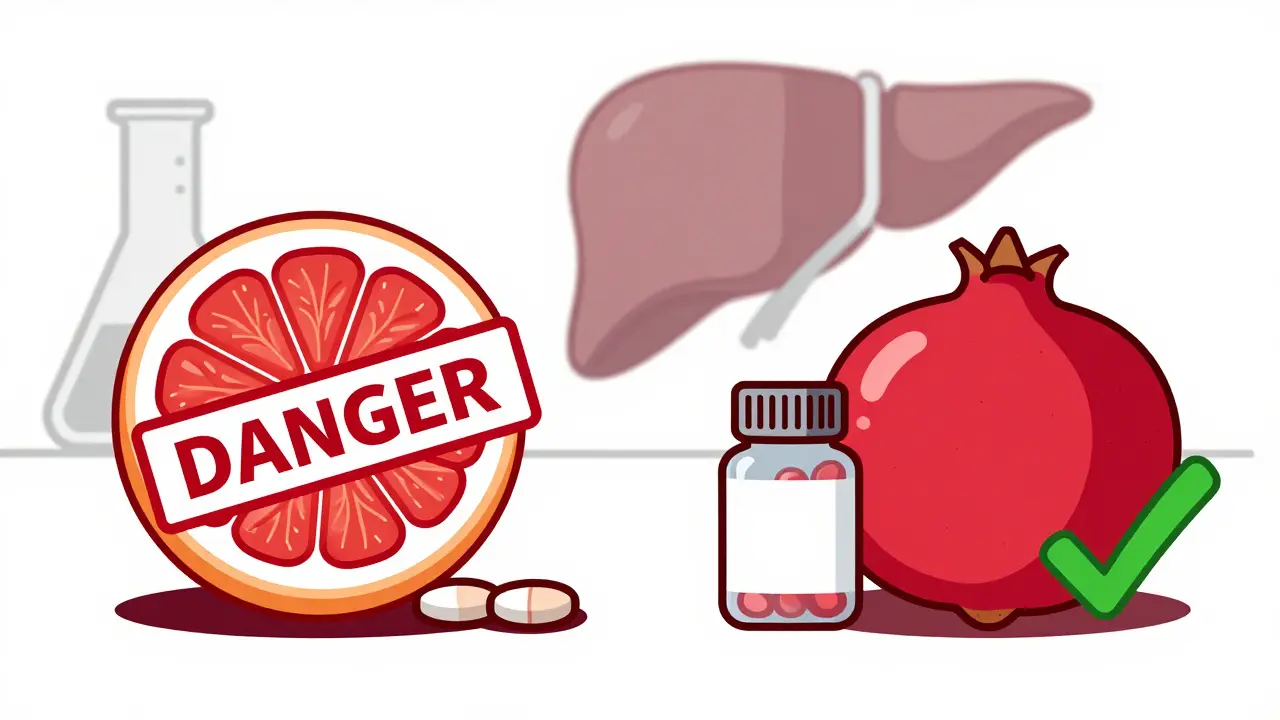
What Do Experts Really Say?
Dr. Stephen M. Stahl, a leading psychopharmacologist, put it plainly: “The risk of a pharmacokinetic interaction is negligible if pomegranate juice is consumed by patients receiving CYP2C9 substrates.” The American Society for Clinical Pharmacology and Therapeutics issued a clear position in 2015: “Pomegranate juice does not require avoidance with CYP3A4 or CYP2C9 substrate drugs based on current clinical evidence.” The University of Washington’s Drug Interaction Database - the gold standard for clinicians - rates pomegranate juice as “B”: moderate evidence against interaction. Grapefruit juice? It’s rated “A”: strong evidence for interaction.Why Do So Many Doctors Still Worry?
A 2016 survey found that 68% of physicians thought pomegranate juice needed the same warnings as grapefruit juice. Why? Because they were taught the lab data - not the human data. Many still confuse in vitro findings with real-world outcomes. Pharmacists are catching up. A 2022 survey showed only 12% routinely warn patients about pomegranate juice. Ninety-eight percent warn about grapefruit juice. That’s the gap between outdated beliefs and current science.What About Pomegranate Extracts?
This is where things get tricky. Supplements, powders, and concentrated extracts are not the same as juice. They can contain much higher doses of active compounds. One 2022 review in Clinical Pharmacokinetics pointed out that while juice is safe, extracts “warrant further investigation.” If you’re taking a pomegranate supplement - especially one labeled “high potency” or “standardized extract” - talk to your doctor. That’s different from a glass of juice.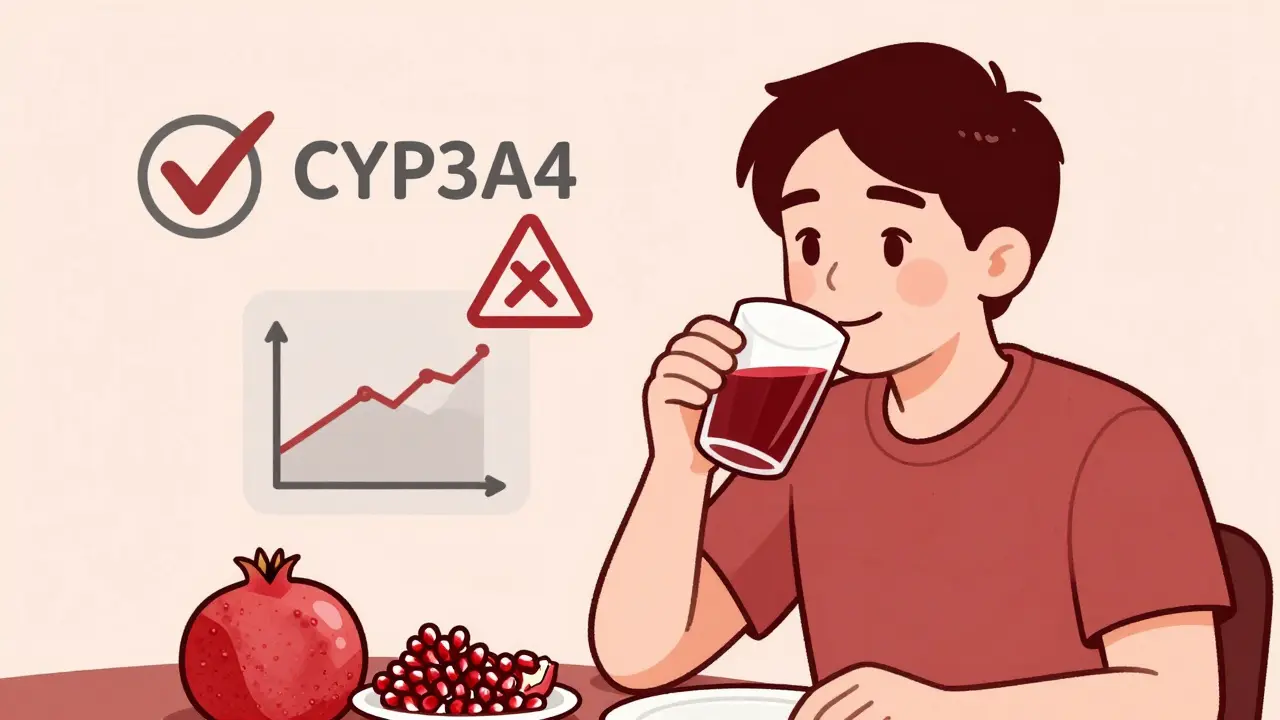
What Should You Do?
If you’re on medication and drink pomegranate juice:- You don’t need to stop.
- You don’t need to time it differently.
- You don’t need to monitor your blood levels more often.
Why This Matters Beyond Juice
The pomegranate juice story isn’t just about fruit. It’s a lesson in how science works. Lab studies are useful for spotting potential risks. But they’re not the final word. Real people, real doses, real outcomes - that’s what matters. Grapefruit juice is still dangerous. Don’t drink it with your meds if your doctor says no. Pomegranate juice? Go ahead. Enjoy it with your oatmeal. It’s not going to mess with your blood pressure pill, your cholesterol drug, or your blood thinner. The science says so. And the patients are proving it every day.What’s Next?
Researchers are now looking at whether pomegranate compounds affect intestinal transporters - proteins that move drugs into and out of cells. That’s a new frontier. But so far, no red flags. The National Institutes of Health has funded a $2.4 million study to explore this further. Meanwhile, the market for pomegranate juice keeps growing. It’s a $2.1 billion industry. And if it were truly risky, regulators would have stepped in by now. The FDA doesn’t list it. The European Medicines Agency doesn’t list it. Only grapefruit juice carries official warnings. You’re not alone if you’ve been confused. But now you know: the juice is safe. The fear was based on outdated science. The truth? It’s just a healthy drink.

Brian Anaz
January 4, 2026 at 13:52This is why America's healthcare system is broken. Lab studies get ignored because some guy drank juice and didn't die. Meanwhile, people are dying from bad meds because doctors won't listen to real science. Pomegranate juice? Yeah, sure. Next they'll say aspirin is harmless with warfarin. LOL.
Venkataramanan Viswanathan
January 4, 2026 at 15:24In India, we have been consuming pomegranate juice for centuries without any recorded adverse interactions with Ayurvedic or modern medications. The scientific validation is long overdue, and it is heartening to see evidence-based conclusions finally prevailing over alarmist interpretations.
Vinayak Naik
January 5, 2026 at 04:14Bro, I’ve been chugging pomegranate juice with my statins since 2018 and still alive. My doc was like ‘nah bruh’ and I was like ‘but the internet said I’d turn into a human grape!’ Turns out the internet is just a bunch of scared people reading abstracts. Also, my poop is red now. Worth it.
Harshit Kansal
January 6, 2026 at 06:32I just found out my grandma drinks this stuff every morning with her blood pressure meds and she’s 89 and still yelling at the TV. She says it’s ‘good for the soul and the arteries.’ I think she’s right. Also, she calls it ‘liquid ruby.’ That’s poetic. I’m crying.
Ryan Barr
January 6, 2026 at 19:11In vitro ≠ in vivo. The fact that this even needs explaining is a cultural failure.
Indra Triawan
January 8, 2026 at 17:47It’s not just about the juice... it’s about how we assign meaning to nature. We fear what we don’t understand. We worship what we can’t control. The pomegranate is ancient. Sacred. A fruit of the underworld. And now it’s being vilified because some lab coat didn’t understand its soul.
Mukesh Pareek
January 9, 2026 at 20:33The CYP3A4 inhibition profile of punicalagins is statistically insignificant at physiological concentrations, as demonstrated by the lack of pharmacokinetic alteration in human trials. The clinical relevance is negligible, especially when compared to furanocoumarin-mediated irreversible inhibition. The regulatory discrepancy is not a gap-it’s a correction.
Matt Beck
January 10, 2026 at 13:09I’m just saying… if we’re gonna panic about juice, why aren’t we panicking about kombucha? Or green tea? Or… water? 😭💧🧃🤯 I’m just a guy who likes his morning smoothie, not a biochemist. Can we all just… chill?
Molly McLane
January 12, 2026 at 06:07If you're on meds and worried, just tell your pharmacist. They’ve seen it all. Seriously. I used to stress over grapefruit, then I realized my doc didn’t even blink when I said ‘yeah, I drink pomegranate juice like it’s water.’ They said ‘cool, keep doing that.’ We’re not fragile. We’re just over-medicalized.
Katie Schoen
January 13, 2026 at 22:39So let me get this straight… we spent 20 years telling people to avoid grapefruit juice, then someone wrote a blog post saying pomegranate is ‘the new grapefruit’ and now everyone’s terrified of a fruit that tastes like a tart candy? Bro. I’m gonna drink it with my coffee and my blood thinner and my antidepressants and my morning yoga. And I’m gonna be fine.
Beth Templeton
January 15, 2026 at 08:14It’s juice. Not rocket science.
Cam Jane
January 16, 2026 at 08:35I work in a clinic and I see this all the time. Patients come in terrified because they read something on Reddit or a wellness blog. They’re scared to drink orange juice, grapefruit juice, pomegranate juice, even apple juice. I tell them: if your medication is that fragile, it probably shouldn’t be on the market. Most of the time, it’s not. And if it is? Your doctor will tell you. You don’t need to Google your life away. Just talk to someone who’s paid to know this stuff. Seriously. We’re here. We’ve got your back.
Pavan Vora
January 16, 2026 at 12:15I have been drinking pomegranate juice daily since 2015, with my antihypertensive medication, and I have never experienced any adverse effects… I am from India, and we have been using this fruit in traditional medicine for thousands of years, and yet, modern science only now catches up… it’s… humbling… and also a little frustrating… 🤔