
When your kidneys aren’t working well, what you eat becomes just as important as any medicine. A renal diet isn’t about losing weight or eating ‘clean.’ It’s a medical tool designed to keep dangerous minerals from building up in your blood. Too much sodium, potassium, or phosphorus can cause swelling, irregular heartbeat, bone damage, and even heart failure. For people with chronic kidney disease (CKD), managing these three minerals isn’t optional-it’s life-saving.
Why Sodium Matters More Than You Think
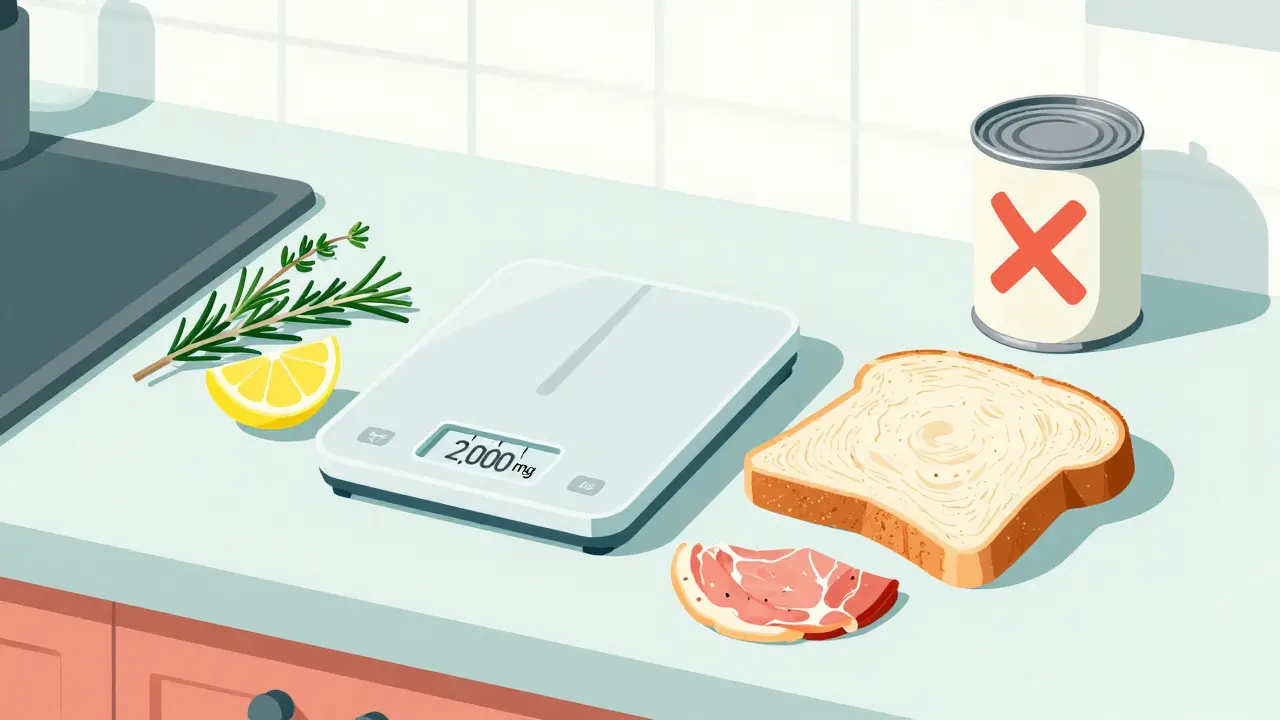
Sodium isn’t just salt on your table. It’s hiding in bread, canned soups, frozen meals, and even breakfast cereals. For someone with CKD, too much sodium pulls water into your bloodstream, making your heart work harder and your kidneys struggle even more. The goal? Keep daily sodium under 2,000-2,300 milligrams. That’s less than one teaspoon of table salt.Most people get 75% of their sodium from processed foods, not the salt shaker. A single serving of canned chicken noodle soup can have over 1,000 mg. One slice of deli ham? Around 600 mg. Reading labels isn’t optional-it’s your first line of defense.
Instead of salt, use herbs and spice blends like Mrs. Dash, garlic powder, or lemon juice. These add flavor without the risk. Studies show cutting sodium by just 1,000 mg a day can lower systolic blood pressure by 5-6 mmHg, which directly reduces strain on your kidneys and heart.
Potassium: The Silent Threat
Potassium is essential for muscle and nerve function-but when your kidneys can’t filter it out, levels climb dangerously high. A reading above 5.5 mEq/L can trigger a life-threatening heart rhythm problem. Many people don’t realize how quickly potassium builds up.High-potassium foods like bananas (422 mg each), oranges (237 mg each), potatoes (610 mg per medium), and spinach (840 mg per cup cooked) are often called ‘healthy,’ but they’re risky for CKD patients. The recommended daily limit is 2,000-3,000 mg, but your doctor may adjust this based on your blood tests.
The good news? You can still enjoy fruits and vegetables if you choose wisely and prepare them right. Low-potassium options include apples (150 mg per medium), berries (65 mg per ½ cup blueberries), cabbage (12 mg per ½ cup cooked), and green beans. Leaching-soaking sliced potatoes or carrots in warm water for 2-4 hours, then boiling them in plenty of water-can cut potassium by half.
Also important: animal-based potassium (from meat, dairy, fish) is absorbed more easily than plant-based potassium. That means even a small portion of chicken or yogurt can pack more punch than a large serving of broccoli. Portion control matters more than you think.
Phosphorus: The Invisible Problem
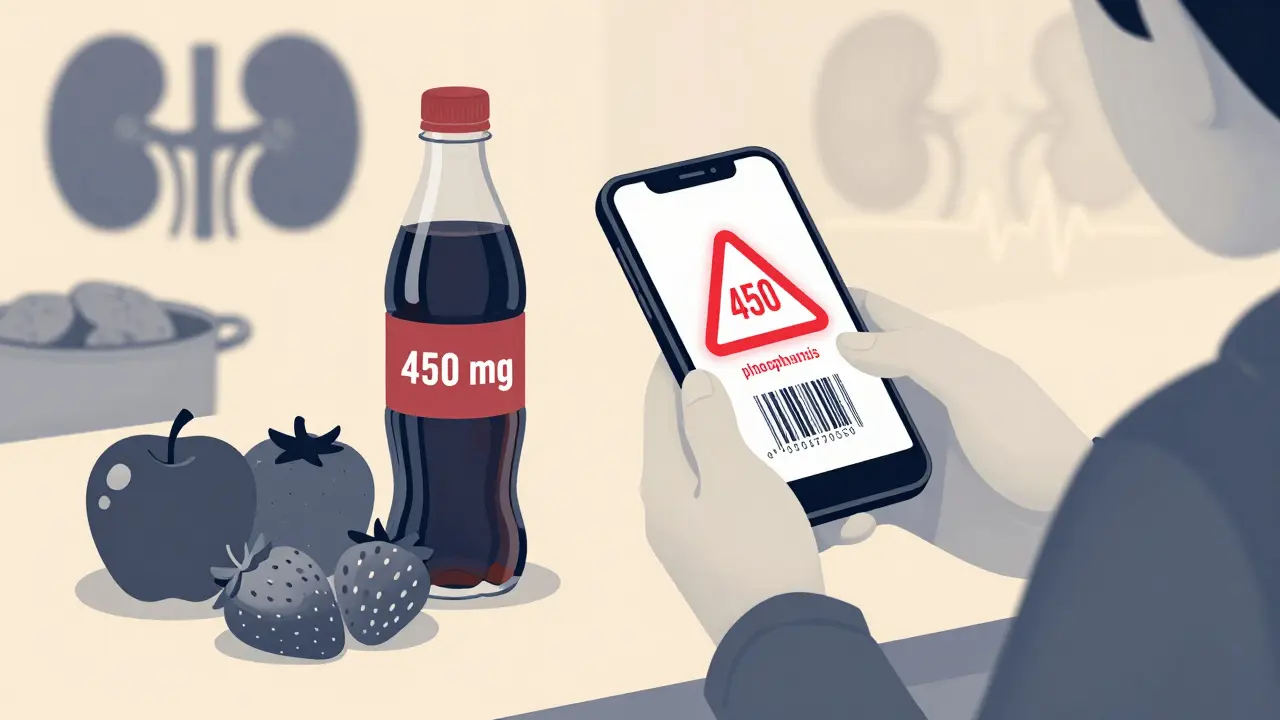
Phosphorus is where things get tricky. Your body needs it for strong bones, but when kidneys fail, phosphorus builds up fast. High levels pull calcium out of your bones, weakening them, and cause dangerous calcium deposits in your blood vessels and heart.There’s a big difference between natural phosphorus (in foods like meat, dairy, nuts) and added phosphorus (in processed foods). Natural phosphorus is only 40-70% absorbed. But phosphorus additives-like those in colas, processed cheeses, deli meats, and packaged baked goods-are nearly 90-100% absorbed. That’s why a 12-ounce cola can have 450 mg of phosphorus, and one slice of processed cheese has 250 mg.
The target for non-dialysis CKD patients is 800-1,000 mg per day. That’s hard to hit when you’re eating modern food. White bread (60 mg per slice) is better than whole grain (150 mg). Skim milk (125 mg per ½ cup) is better than whole milk. Avoid colas, instant oatmeal, and anything with “phos” in the ingredients list.
Some newer research suggests that for non-dialysis patients, slightly higher phosphorus levels (up to 1,200 mg/day) may not increase death risk-but most nephrologists still stick to the lower limit. Why? Because it’s safer. And if you’re on dialysis, the rules tighten even more.
What to Eat and What to Avoid
Here’s a simple guide to help you build meals:- Proteins: Choose lean cuts like chicken breast, turkey, and fish (salmon, cod, halibut). Limit to 2-3 ounces, 2-3 times a week. Avoid processed meats like sausage, bacon, and deli meats-they’re loaded with sodium and phosphorus additives.
- Grains: Pick white bread, white rice, and pasta over whole grains. Whole grains have more phosphorus and potassium. Try corn or rice cereal instead of bran flakes.
- Fruits: Apples, grapes, strawberries, pineapple, and cranberries are safe. Avoid bananas, oranges, kiwi, dried fruit, and melons.
- Veggies: Cabbage, cauliflower, peppers, onions, and green beans are low in potassium. Avoid spinach, potatoes, tomatoes, and winter squash unless leached.
- Dairy: Limit milk, yogurt, and cheese. Use non-dairy alternatives like rice milk or almond milk (check labels-some have added phosphorus).
- Beverages: Water is best. Avoid colas, dark sodas, and energy drinks. Even herbal teas can be high in potassium. Stick to apple or cranberry juice in small amounts.
Real-Life Adjustments That Work
Changing your diet doesn’t happen overnight. Most people take 3-6 months to get used to it. The hardest part? Losing flavor. Salt and sugar are everywhere in our food culture.Here’s what works for real people:
- Use vinegar, citrus, or fresh herbs to brighten dishes. A splash of lemon on grilled chicken makes a big difference.
- Plan meals ahead. Cooking at home gives you control. Batch-cook plain rice, grilled chicken, and steamed green beans for the week.
- Use apps like Kidney Kitchen to scan barcodes and track nutrients. Over 250,000 people use it to stay within limits.
- Ask your dietitian about phosphate binders-medications taken with meals that block phosphorus absorption. They’re not a substitute for diet, but they help.
People with diabetes face an extra challenge. Many ‘heart-healthy’ foods for diabetics-like beans, nuts, and sweet potatoes-are high in potassium and phosphorus. Working with a renal dietitian is essential to balance both needs.

What’s New in Renal Nutrition
The field is changing fast. In 2023, the FDA approved the first medical food for CKD, called Keto-1, which provides essential amino acids without the phosphorus or potassium burden. Researchers are also testing prebiotic fibers like inulin, which may reduce phosphorus absorption by 15-20%.The National Institutes of Health launched the PRIORITY study in early 2024 to see if genetic testing can predict how your body handles potassium and phosphorus. That means one day, your diet might be tailored to your DNA-not just your kidney numbers.
Meanwhile, AI-powered apps are being piloted at places like the Mayo Clinic. These tools sync with your lab results and adjust your daily limits automatically. Imagine getting a notification: “Your potassium is rising. Skip the orange juice today.” That’s the future.
When to Ask for Help
You don’t have to do this alone. Medicare now covers 3-6 sessions per year with a registered dietitian nutritionist (RDN) for stage 4 CKD patients. That’s because studies show proper nutrition can delay dialysis by 6-12 months-and save $12,000 per person annually.If you’re struggling with cravings, meal planning, or feeling overwhelmed, talk to your nephrologist. Ask for a referral to a renal dietitian. They’re trained to make this diet work for your life-not the other way around.
Common Myths Debunked
- Myth: I need to eat almost no protein. Truth: Too little protein causes muscle loss and malnutrition. Aim for 0.55-0.8 grams per kilogram of body weight daily from high-quality sources like eggs, fish, and lean meat.
- Myth: All dairy is off-limits. Truth: Small portions of low-phosphorus dairy (like ricotta or cottage cheese) can fit in. It’s about balance, not elimination.
- Myth: Natural foods are always safe. Truth: Bananas, potatoes, and spinach are natural-but they’re high in potassium. It’s not about ‘natural’ vs. ‘processed.’ It’s about numbers.
Strictness isn’t the goal. Smart choices are. You don’t need to be perfect. You just need to be consistent.
Can I still eat out on a renal diet?
Yes, but you need to plan ahead. Ask for meals without added salt. Choose grilled chicken or fish with steamed vegetables. Avoid soups, sauces, and fried foods. Request dressings on the side. Many restaurants now list nutritional info online-check before you go.
Is it okay to use salt substitutes?
Most salt substitutes replace sodium with potassium chloride. That’s dangerous for people with CKD because they can’t clear potassium well. Even ‘low-sodium’ seasonings may contain potassium. Always check the label or ask your dietitian before using them.
How much fluid should I drink?
It depends on your urine output. If you’re making less than 1 liter a day, you may need to limit fluids to 32 ounces (about 1 liter) daily. This includes water, coffee, tea, soup, ice cream, and even gelatin. Your doctor will give you a personalized limit based on your weight, blood pressure, and lab results.
Can I ever go back to a normal diet?
If you get a kidney transplant, your diet will change significantly-often becoming much less restrictive. But if you’re living with CKD without a transplant, the renal diet is a long-term strategy. Even small lapses can cause spikes in minerals that stress your kidneys. Consistency is key.
Do I need supplements?
Many people on renal diets need special vitamins that don’t contain potassium, phosphorus, or vitamin D. Regular multivitamins can be harmful. Always talk to your nephrologist or dietitian before taking any supplement-even over-the-counter ones.
If you’ve been diagnosed with CKD, this diet might feel overwhelming. But it’s not about perfection. It’s about progress. Every small change-choosing apple over banana, white rice over brown, water over soda-adds up. You’re not just eating to survive. You’re eating to protect your body, your heart, and your future.

Nancy Kou
December 20, 2025 at 04:10This guide is a lifesaver. I was eating bananas every morning thinking I was being healthy. Turns out I was slowly poisoning my kidneys. Switched to apples and berries-no more swelling, and my last blood test showed potassium down to normal. Small changes, massive impact.
Dominic Suyo
December 21, 2025 at 08:20Let’s be real-the entire renal diet industrial complex is built on fear-mongering and profit-driven guidelines. The FDA approves ‘medical foods’ like Keto-1 while ignoring the fact that 80% of CKD progression is tied to insulin resistance, not phosphorus. You’re being sold a narrative wrapped in lab reports. Who benefits? The dietitian-industrial complex. Not you.
And don’t get me started on phosphate binders. Those are just fancy chalk pills with a $300 monthly markup. Your kidneys aren’t broken-they’re overwhelmed by a system that feeds you processed garbage and then charges you to undo it.
Hussien SLeiman
December 22, 2025 at 12:49Oh please. You think reading labels is the solution? That’s like trying to defuse a bomb with a rubber spatula. The food industry doesn’t just hide sodium and phosphorus-they engineer them into the very structure of what we call ‘food.’ A ‘low-sodium’ soup? It’s got potassium chloride, calcium phosphate, and carrageenan. You’re trading one poison for three others. And don’t even mention ‘natural’ flavors-that’s a legal loophole for synthetic chemicals.
Leaching potatoes? Please. You’re wasting hours for a 50% reduction when you could just eat zucchini. And why are we still pretending that ‘portion control’ works when the entire food environment is designed to override willpower? This isn’t nutrition-it’s behavioral triage.
The real issue? No one talks about gut microbiota. The dysbiosis in CKD patients isn’t a side effect-it’s a driver. Prebiotic fibers like inulin? Maybe. But until we stop treating kidneys like broken pipes and start treating the whole system, we’re just rearranging deck chairs on the Titanic.
And let’s not forget: dialysis patients live longer on higher phosphorus diets in some European countries. The US guidelines? Outdated. Dogma. And the NIH’s PRIORITY study? Probably funded by pharmaceuticals. Always follow the money.
So yes, eat apples. Avoid colas. But don’t fool yourself into thinking this is about ‘health.’ It’s about survival in a system that wants you sick, compliant, and buying supplements.
Adrienne Dagg
December 22, 2025 at 18:02OMG I JUST REALIZED I’VE BEEN EATING CREAM OF MUSHROOM SOUP EVERY DAY 😭😭😭 I’M SO SORRY MY KIDNEYS 😭😭😭 THANK YOU FOR THIS POST I’M GOING TO BUY THE KIDNEY KITCHEN APP RIGHT NOW AND START OVER 🙏🫶
Chris Davidson
December 23, 2025 at 02:37The data on sodium restriction in CKD is inconclusive. Multiple meta-analyses show no mortality benefit below 2300 mg. The guidelines are based on observational studies with confounding variables. Blood pressure reduction does not equal kidney protection. The medical community clings to dogma because it is easier than admitting uncertainty.
benchidelle rivera
December 23, 2025 at 20:18I’ve been a renal dietitian for 18 years and I can tell you this: the people who thrive aren’t the ones who follow every rule perfectly. They’re the ones who find joy in the small wins. That grilled chicken with lemon and rosemary? That’s victory. Choosing white rice over brown? That’s progress. You don’t have to be perfect. You just have to show up. And if you’re struggling, ask for help. You deserve support, not guilt.
And yes, salt substitutes are dangerous. But that doesn’t mean your food has to taste like cardboard. Try smoked paprika, nutritional yeast, or a splash of apple cider vinegar. Flavor isn’t the enemy. Misinformation is.
Anna Sedervay
December 24, 2025 at 11:14Have you ever considered that the entire concept of ‘renal diet’ is a construct of Big Pharma and the nephrology establishment to maintain control over patient compliance? The phosphorus additive regulations were lobbied against for over a decade by the food industry. The FDA’s ‘safe’ limits were set by committees with financial ties to phosphate binder manufacturers. And the ‘PRIORITY’ study? Funded by the same entities that profit from dialysis. Your DNA doesn’t need to be tested-your wallet does.
Also, I read somewhere that potassium chloride in salt substitutes has been linked to increased mortality in patients with type 2 diabetes, which overlaps heavily with CKD. But the FDA still allows it. Why? Because the FDA is a revolving door. I’m not paranoid-I’m informed.
And the ‘Keto-1’ medical food? It’s not a breakthrough. It’s a patent. The real breakthrough would be banning phosphorus additives entirely. But that would cost corporations billions. So we get apps and binders instead of systemic change.
I’ve seen patients die from cardiac arrest after eating a ‘low-sodium’ meal that had 800mg of potassium chloride. The system is broken. And we’re all just trying to survive it.
Matt Davies
December 26, 2025 at 10:19Man, this post hit different. I was diagnosed last year and thought I’d have to give up everything I loved. Turns out I just had to learn how to cook differently. Grilled fish with garlic and thyme? Amazing. Steamed cabbage with a dash of vinegar? Better than any takeout. It’s not about deprivation-it’s about rediscovering flavor in a whole new way. You’re not losing your food. You’re upgrading it.
And if you’re scared? You’re not alone. I cried the first time I threw out my soy sauce. But now? I feel stronger than ever. This diet isn’t a cage. It’s a compass.
bhushan telavane
December 28, 2025 at 02:29In India we have a traditional way of soaking rice overnight and washing it 3-4 times before cooking. Turns out this also removes some phosphorus and potassium. My uncle with CKD does this and says his labs are stable. Maybe this old trick is science we forgot?
holly Sinclair
December 29, 2025 at 20:37If we’re going to talk about mineral management in CKD, we need to ask: what does it mean to be ‘healthy’ when the body’s homeostatic mechanisms are failing? Is a renal diet merely a bandage on a systemic collapse? Or is it an act of radical self-preservation in a world that commodifies health?
The fact that we must leach potatoes to make them ‘safe’ reveals a deeper truth: our food system has become a hostile environment for biological integrity. We are not just managing minerals-we are negotiating survival against engineered toxicity.
And yet, the human capacity to adapt is astonishing. We learn to flavor food without salt. We find joy in a single strawberry. We use apps to track what the market hides from us. In this context, the renal diet becomes not just a medical protocol, but a quiet act of resistance.
What if the goal isn’t just to prolong life, but to reclaim agency? To say: I will not be defined by my lab values. I will not be reduced to a sodium number. I will choose, with intention, what enters my body-even when the world is designed to make that choice impossible.
Maybe that’s the real medicine.