
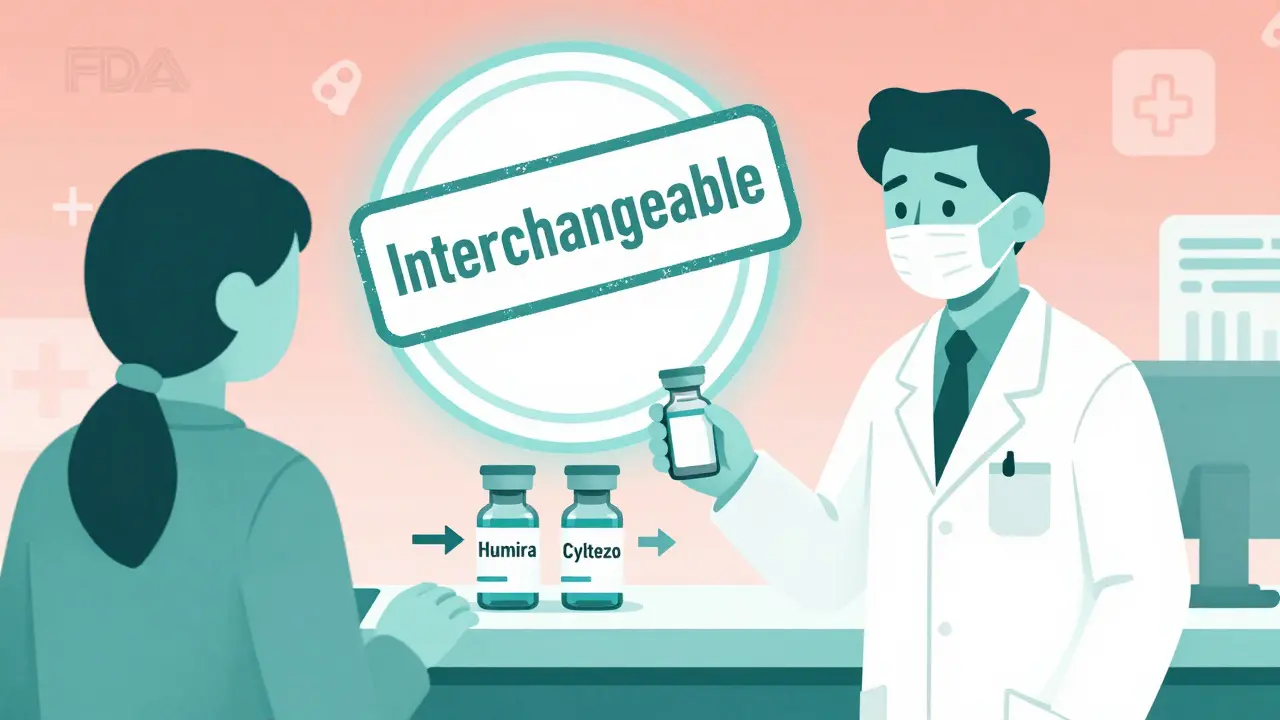
Interchangeable biosimilars can be swapped automatically at pharmacies in the U.S., but only if FDA-approved and allowed by state law. Unlike generics, they require extra testing to prove safe switching. Costs drop, but confusion and inconsistent rules remain.
Biosimilars: What They Are, How They Work, and Why They Matter
When you hear biosimilars, highly similar versions of complex biologic drugs made after the original patent expires. Also known as biologic generics, they offer the same clinical results as the original but at a fraction of the cost. Unlike regular generic pills, which are simple chemical copies, biosimilars are made from living cells—think of them as identical twins to the original biologic drug, not exact duplicates. They’re not cheaper because they’re weaker; they’re cheaper because they don’t require the same massive R&D investment to bring to market.
These drugs aren’t just theoretical—they’re already helping millions. biologic drugs, complex medications made from living organisms, often used for autoimmune diseases, cancer, and chronic conditions like rheumatoid arthritis, Crohn’s disease, and certain cancers used to cost over $100,000 a year. Now, biosimilars like those for adalimumab (Humira) or bevacizumab (Avastin) cut those prices by 30% to 80%. That’s not just savings for patients—it’s savings for hospitals, insurers, and governments. And yes, they’re approved by the FDA and EMA after rigorous testing to prove they work just as well and are just as safe.
But here’s the catch: many doctors and patients still don’t fully understand them. Some think biosimilars are like buying a knockoff watch—close, but risky. That’s not true. Studies show they perform the same in real-world use. Still, confusion lingers because these drugs aren’t labeled as "generic"—they’re called biosimilars, which sounds unfamiliar. And because they’re used for serious conditions, doctors are cautious. That’s why you’ll find posts here about generic drug prescribing, the legal and clinical considerations when switching from brand-name biologics to biosimilars, and how physicians protect themselves under laws like Mensing-Bartlett preemption. You’ll also see comparisons between drugs like Uroxatral and Xenical, where cost and alternatives matter just as much as effectiveness.
What’s clear is this: biosimilars are here to stay. They’re not a stopgap. They’re a necessary shift in how medicine is delivered. As drug prices keep climbing, they’re one of the few real tools we have to make treatment accessible. Whether you’re a patient wondering if switching is safe, a caregiver trying to cut costs, or a provider weighing legal risks, the posts below give you the straight facts—not marketing, not hype. You’ll find real-world insights on how biosimilars fit into treatment plans, how they compare to older drugs, and why some doctors hesitate to prescribe them—even when they should.
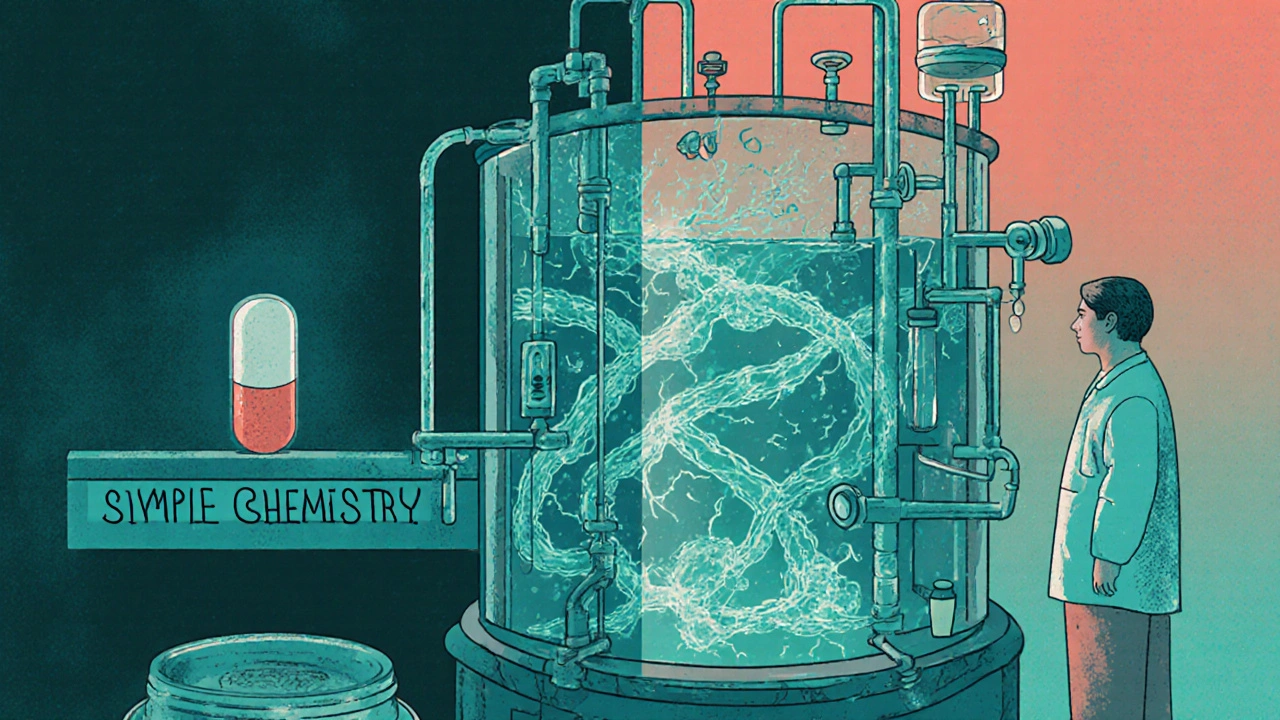
Biologic drugs are made from living cells, not chemicals, making them impossible to copy exactly. That’s why biosimilars aren’t generics - they’re highly similar versions that still require complex manufacturing and rigorous testing.
Europe led the global biosimilar market for nearly two decades, but the U.S. is now accelerating rapidly after regulatory changes in 2024. Learn how differences in approval, pricing, and adoption shape access and cost savings today.