Every year, medication adherence saves lives. But for millions, taking pills as prescribed isn’t about forgetfulness or laziness-it’s about money. If you’ve ever skipped a dose because the pharmacy bill was too high, you’re not alone. In 2022, nearly 1 in 5 American adults said they didn’t fill a prescription because of the cost. That’s not just inconvenient-it’s dangerous.
Why Cost Stops People from Taking Their Meds
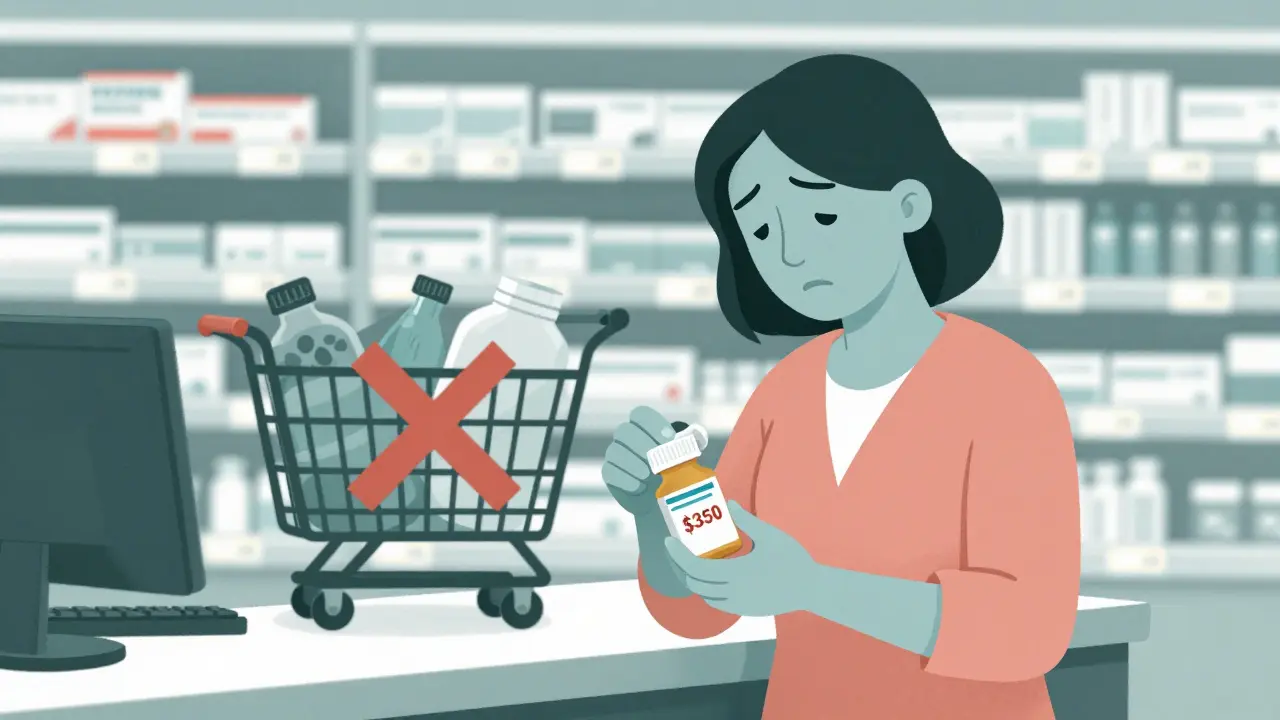
It’s not just about high list prices. Even with insurance, patients face copays, coinsurance, and deductibles that add up fast. A 2023 study in the American Journal of Managed Care found that when a monthly copay jumped from $10 to over $50, adherence dropped by 15-20%. For someone on multiple medications-say, blood pressure, diabetes, and cholesterol pills-that can mean hundreds of dollars a month out of pocket. People don’t just skip doses. They split pills, delay refills, or stop taking meds entirely. One 62-year-old Medicare beneficiary told Kaiser Health News she pays $350 a month for her prescriptions after insurance. She chooses between her meds and groceries. That’s not a choice anyone should have to make. Cardiovascular medications are especially sensitive to cost. Studies show patients with heart disease are more likely to cut back on pills than those with cancer or diabetes, even though skipping these drugs can lead to heart attacks, strokes, or hospitalizations. The American Heart Association estimates that poor adherence causes about 125,000 deaths in the U.S. each year. That’s more than traffic accidents.Who Gets Hit the Hardest
Cost-related nonadherence doesn’t affect everyone equally. Low-income individuals, women, younger adults, and people of color are far more likely to ration meds. CDC data shows people earning under $25,000 a year are over three times more likely to skip doses than those earning over $75,000. Even Medicare beneficiaries aren’t safe. In 2016, 14.4% of older adults admitted to skipping pills because of cost. Many thought their Part D plan would cover everything-until they got to the pharmacy and saw the final price. That “sticker shock” happens to 41% of patients, according to a 2022 physician survey. Prescribers often don’t know the real cost of the drugs they write. And it’s not just about the drug itself. Some medications come in expensive brand-name versions when cheaper generics exist. But not all doctors check formularies before prescribing. A 2023 Medscape survey found that 65% of physicians now talk to patients about cost-up from 42% in 2019-but many still don’t have the tools to make real-time decisions.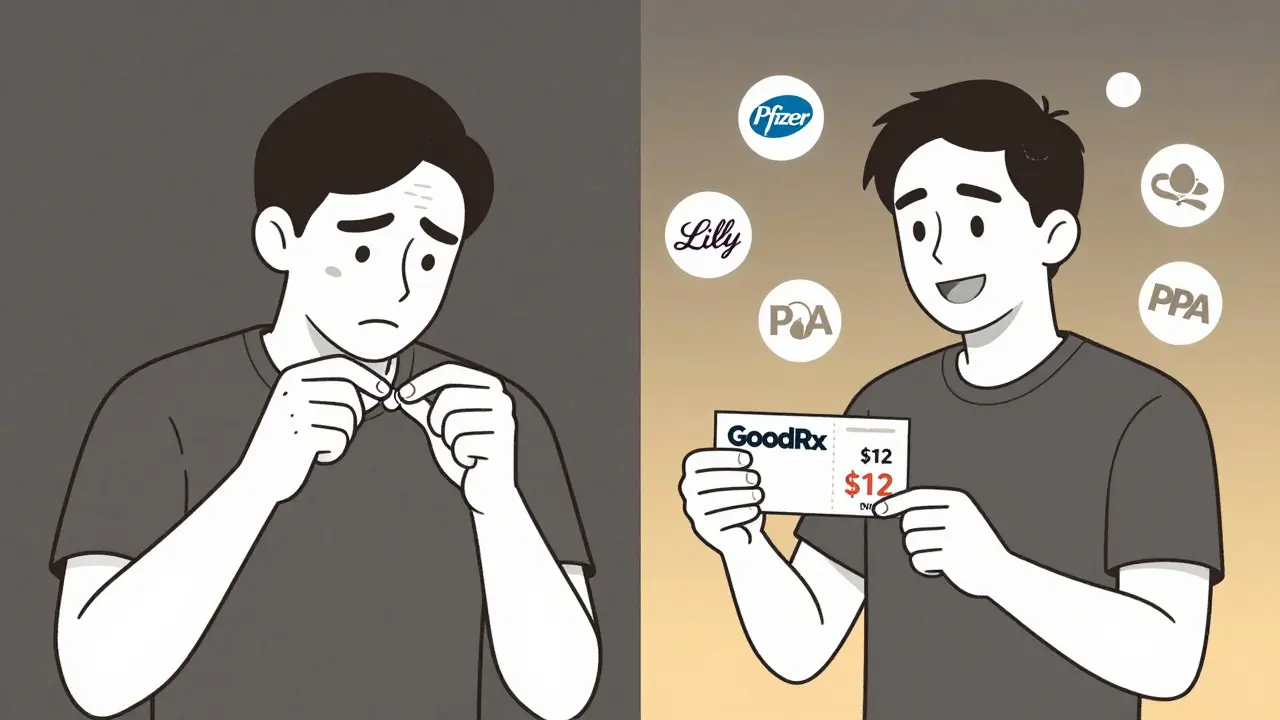
Real Stories, Real Consequences
On Reddit, users share heartbreaking stories. One person pays $800 a month for insulin-even with insurance. Another splits 100mg pills to make them last longer. A woman with type 2 diabetes said her insulin cost $500 a month until she enrolled in a manufacturer’s patient assistance program. Her bill dropped to $25. Her adherence jumped from 60% to 95%. These aren’t rare cases. Pharmaceutical companies run patient assistance programs that helped 1.8 million Americans in 2022. Eligibility? Usually income under 400% of the federal poverty level-that’s $55,520 for a single person in 2023. But most people don’t know these programs exist. Or they think the application is too complicated. Or they’re too ashamed to ask.How to Get Help: 6 Proven Ways to Lower Your Med Costs
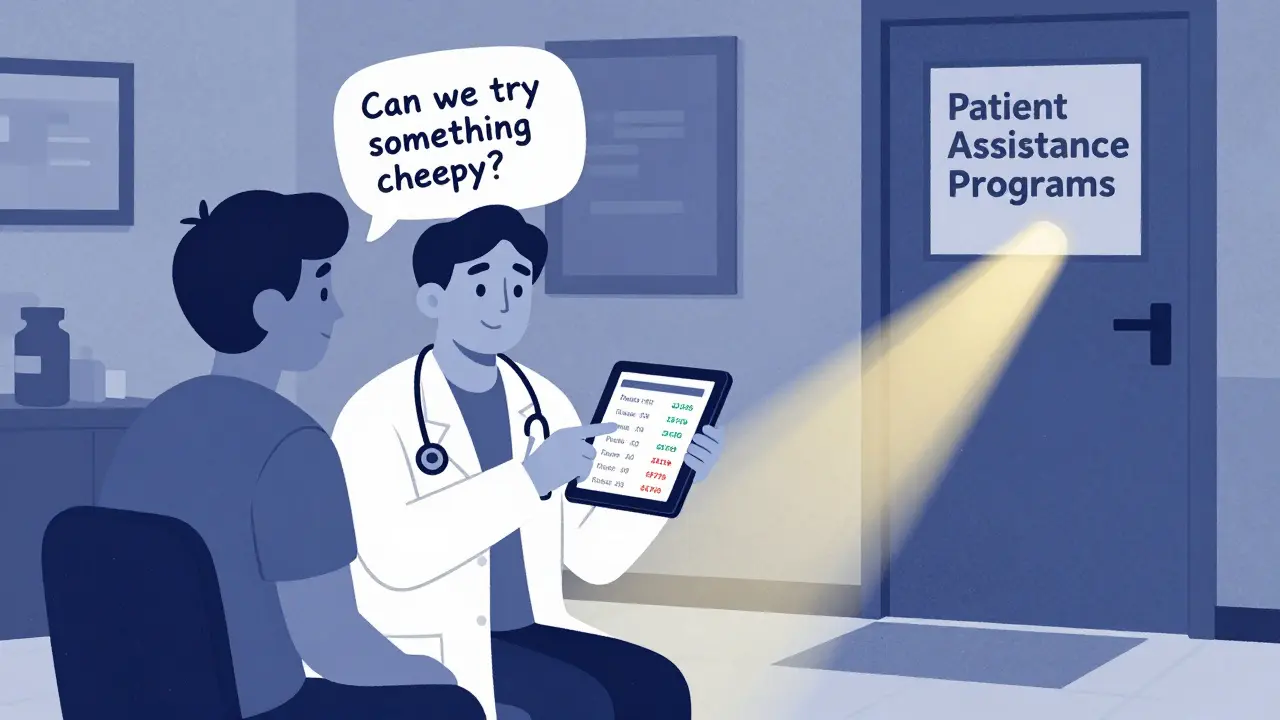
You don’t have to choose between your health and your rent. Here’s what actually works:- Ask your doctor about alternatives. Don’t just accept the first prescription. Ask: “Is there a generic version?” “Is this on my insurance’s lowest tier?” “Can we try a cheaper drug that works just as well?” The American Medical Association says checking formulary alignment before prescribing is one of the most effective steps a provider can take.
- Use GoodRx or SingleCare. These free apps compare prices at nearby pharmacies. For many drugs, you can save 50-80%. A 30-day supply of metformin might cost $45 at your local pharmacy-but $12 with a GoodRx coupon. Over 35 million Americans use these tools every month.
- Apply for patient assistance programs. Most big drugmakers (like Pfizer, Novo Nordisk, Eli Lilly) offer free or low-cost meds to qualifying patients. The Partnership for Prescription Assistance (PPA) can help you find the right program. You can apply online in minutes.
- Ask for a 90-day supply. Many insurers charge the same copay for a 30-day or 90-day refill. That means you pay less per pill. Mail-order pharmacies often offer this option. Express Scripts reports savings of 20-30% with 90-day fills.
- Check if you qualify for Medicare Extra Help. If you’re on Medicare and have limited income, this program can cover up to $5,000 in annual drug costs in 2023. You don’t need to be poor-many middle-income seniors qualify.
- Ask for samples. About 32% of patients who worry about cost get free samples from their doctor. It’s not a long-term fix, but it can buy time to apply for assistance or switch to a cheaper option.
What’s Changing in 2025 and Beyond
The Inflation Reduction Act is making real changes. Starting in 2025, Medicare Part D will cap out-of-pocket drug costs at $2,000 a year. The infamous “donut hole” is gone. And for the first time, beneficiaries can pay for high-cost meds in monthly installments instead of one big bill. The FDA approved over 1,100 generic drugs in 2022 alone. More competition means lower prices. Real-time benefit tools (RTBTs)-software that shows drug prices during the doctor’s visit-are now used by 78% of large health systems. But they’re not perfect. One study found that nearly 4 in 10 price estimates were off by more than $10. Still, they’re a step forward. The problem isn’t going away. The Congressional Budget Office predicts U.S. drug spending will hit $1.1 trillion by 2031. Without structural pricing reform, experts say 1 in 5 Americans will keep skipping meds-even with insurance.What You Can Do Right Now
If you’re struggling to afford your meds:- Call your pharmacy and ask for the cash price before filling.
- Search your drug name + “patient assistance program” on Google.
- Visit pparx.org to connect with free help.
- Ask your doctor to write a letter explaining your financial hardship-some manufacturers will approve assistance faster with one.
- Don’t be embarrassed. This isn’t weakness. It’s survival.
Why do people skip doses even when they have insurance?
Many insurance plans still require patients to pay high copays, coinsurance, or meet deductibles before coverage kicks in. For chronic conditions, these costs add up fast-sometimes hundreds of dollars a month. Even with insurance, some people can’t afford to fill every prescription, so they skip doses, split pills, or delay refills to stretch their supply.
Are generic drugs as effective as brand-name ones?
Yes. The FDA requires generics to have the same active ingredient, strength, dosage form, and route of administration as the brand-name drug. They must also meet the same strict quality standards. The only differences are in inactive ingredients (like fillers) and packaging. Generics cost up to 85% less and work just as well for most people.
Can I get help if I’m not on Medicare?
Absolutely. Many pharmaceutical companies offer patient assistance programs for people with private insurance or no insurance at all. Eligibility is usually based on income-often up to 400% of the federal poverty level. Organizations like Patient Services Inc. and the Partnership for Prescription Assistance can help you find the right program, even if you’re under 65.
What should I say to my doctor about cost?
Be direct: “I’m having trouble affording this prescription. Are there cheaper alternatives, generics, or programs that can help?” Doctors are more likely to help if you bring it up early. Many now use real-time tools to check drug prices during visits. Asking doesn’t make you a burden-it helps your doctor make better decisions for you.
Do pharmacy discount cards really work?
Yes, and they’re free. Apps like GoodRx and SingleCare negotiate prices with pharmacies and give you coupons that often beat insurance prices. They work for both brand-name and generic drugs. You can use them even if you have insurance-just ask the pharmacist to compare the cash price with your insurance copay. Many people save 50-80%.
Is it safe to split pills to save money?
Sometimes-but only if your doctor or pharmacist says it’s okay. Not all pills can be safely split. Extended-release tablets, capsules, and coated pills can become unsafe or ineffective if broken. Always ask before splitting. If you’re doing it because you can’t afford the full dose, talk to your provider about alternatives. There are better, safer ways to manage cost.