
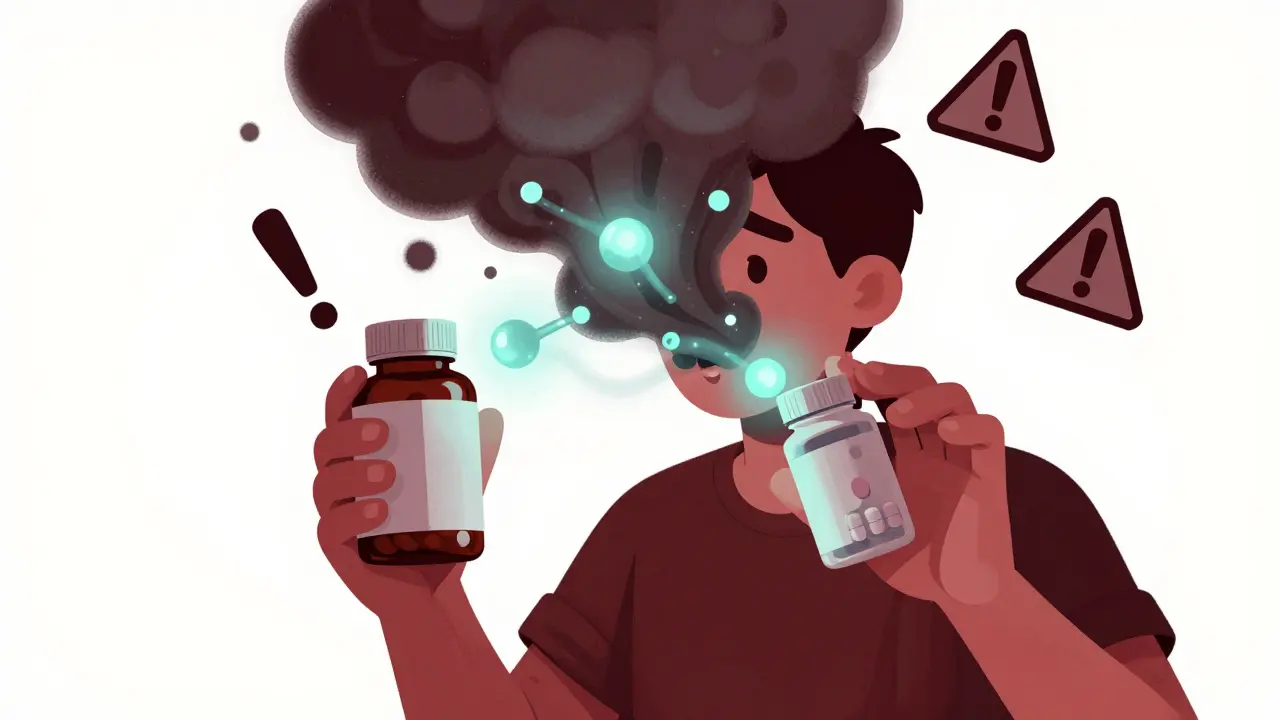
Rhodiola may help with stress and mild depression, but combining it with antidepressants can trigger serotonin syndrome - a dangerous, potentially fatal reaction. Learn the risks, symptoms, and what to do if you're using both.
Serotonin Syndrome: Causes, Symptoms, and Drug Risks You Need to Know
When your body gets too much serotonin, a natural chemical that helps regulate mood, sleep, and digestion. Also known as serotonin toxicity, it can turn a routine medication mix into a medical emergency. This isn’t a rare side effect—it happens more often than you think, especially when people combine antidepressants, painkillers, or even herbal supplements without knowing the risks.
Most cases come from SSRIs, a common class of antidepressants like fluoxetine and sertraline, mixed with other drugs that boost serotonin, like triptans, used for migraines, or even dextromethorphan, found in many over-the-counter cough syrups. Even switching from one antidepressant to another too quickly can trigger it. The problem isn’t just one drug—it’s the combo. And it doesn’t take much: a small increase in serotonin levels can be enough to cause serious symptoms.
Here’s what to watch for: sudden confusion, fast heartbeat, high blood pressure, sweating, shivering, muscle stiffness, or twitching. In severe cases, people develop fever, seizures, or lose consciousness. These signs don’t always show up right away—they can appear within hours or take a couple of days. If you’re on any medication that affects serotonin and notice these symptoms, don’t wait. Go to the ER. Many people mistake serotonin syndrome for the flu or anxiety, but it’s not something you can sleep off.
The good news? It’s preventable. Knowing which drugs interact is the first step. If you take more than one medication—especially for depression, pain, or sleep—talk to your pharmacist or doctor. Ask: "Could this mix raise my serotonin too high?" Most providers don’t bring it up unless you do. And if you’ve been on an SSRI for years and just started a new painkiller or supplement, that’s a red flag. You don’t need to stop your meds, but you do need to check for hidden risks.
Below, you’ll find real-world examples of how serotonin syndrome shows up in practice—from accidental overdoses to overlooked drug combos. You’ll see what patients missed, what doctors missed, and how simple checks could have prevented it. These aren’t theoretical cases. They’re from people who lived through it. And if you’re taking any of the drugs mentioned here, this isn’t just information—it’s protection.
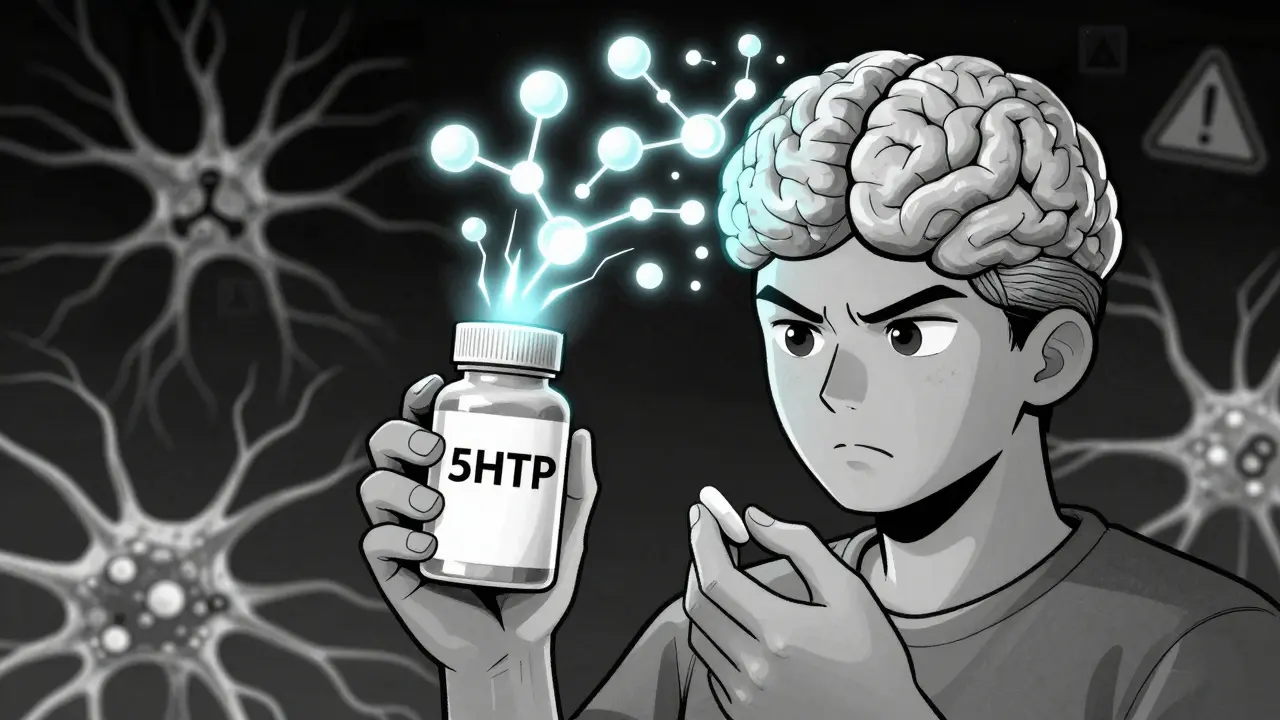
Combining 5-HTP with SSRIs can trigger serotonin syndrome-a dangerous, sometimes fatal condition. Learn why this supplement-drug mix is riskier than you think and what to do instead.
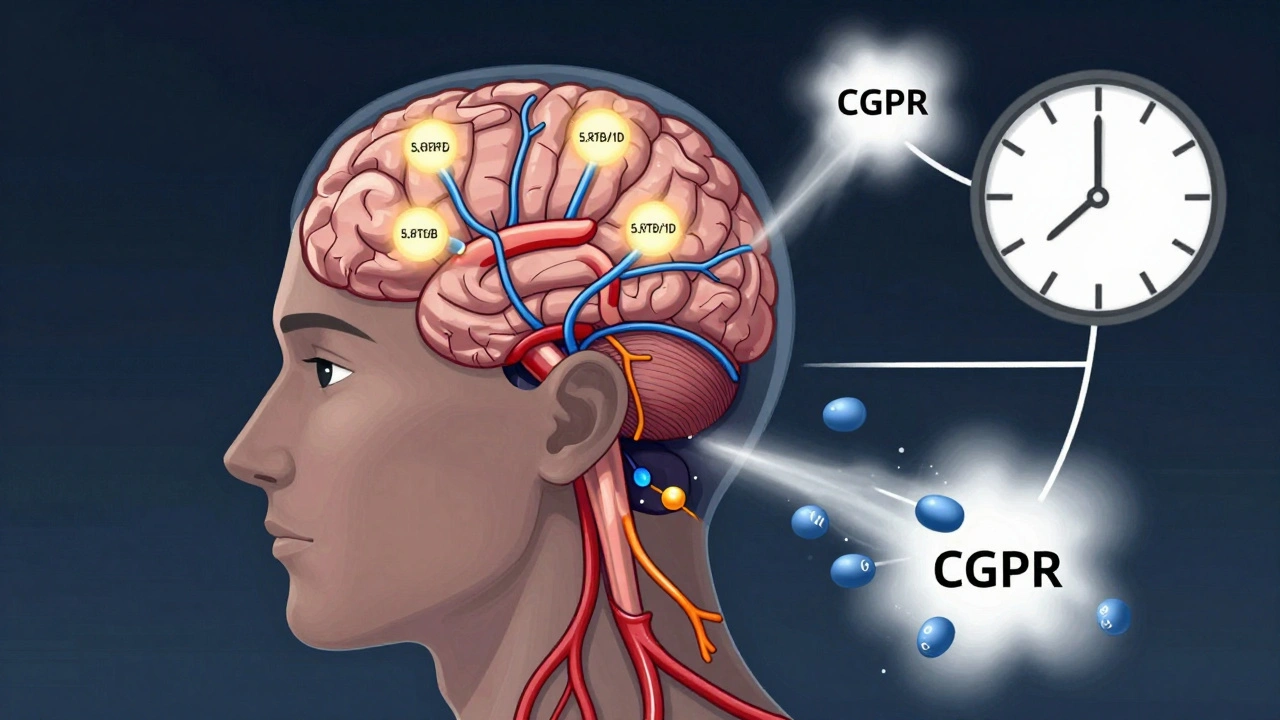
Triptans are effective for migraines but come with serious interactions and limitations. Learn who should avoid them, why they sometimes fail, and what to do when they don't work.