
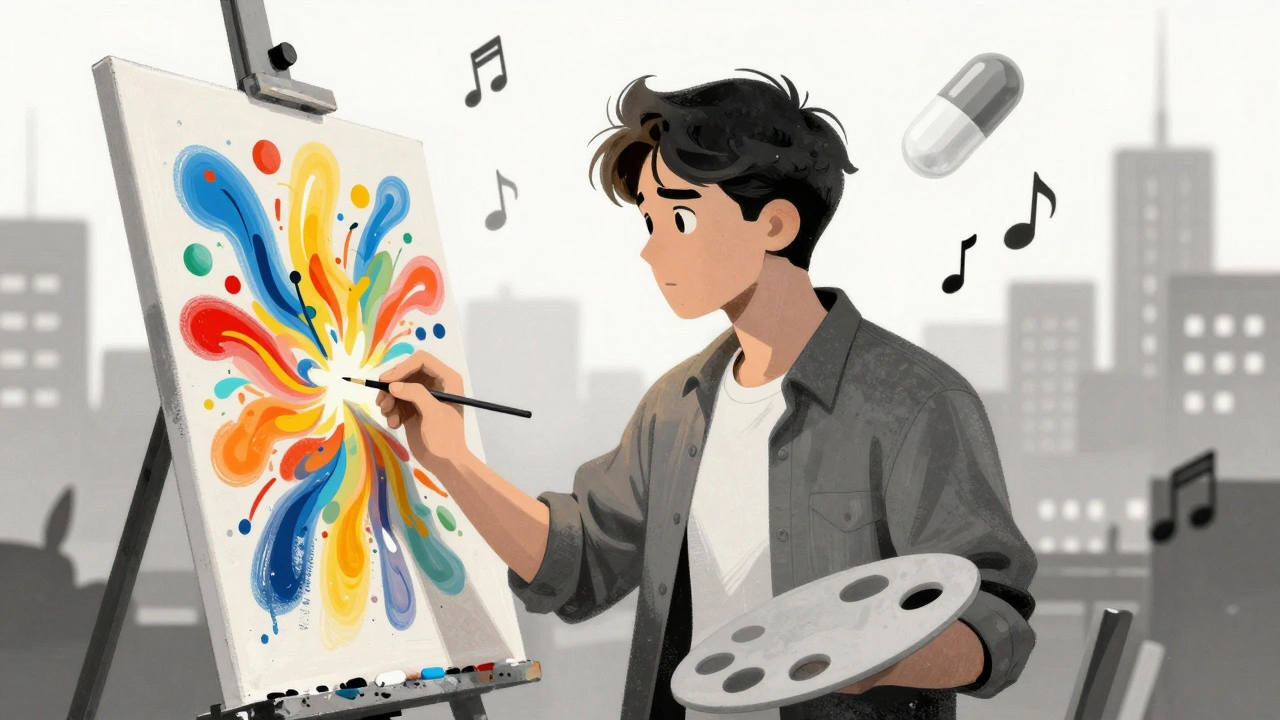
Risperidone can reduce hallucinations but may also dampen creativity in artists and writers. Learn how this antipsychotic affects artistic expression, what research says, and how to protect your creative voice while managing mental health.
Risperidone: What It Is, How It Works, and What You Need to Know
When you hear risperidone, a second-generation antipsychotic medication used to treat schizophrenia, bipolar disorder, and irritability in autism. Also known as Risperdal, it works by balancing dopamine and serotonin in the brain to reduce hallucinations, delusions, and severe mood swings. Unlike older antipsychotics, risperidone doesn’t just numb symptoms—it helps people think more clearly, sleep better, and reconnect with daily life.
It’s not a cure, but for many, it’s a lifeline. People with schizophrenia, a chronic mental health condition involving distorted thinking, hallucinations, and social withdrawal often find that risperidone reduces the frequency and intensity of episodes. For those with bipolar disorder, a condition marked by extreme mood shifts between mania and depression, it helps stabilize mood during manic phases without triggering deep lows. And in children with autism who struggle with aggression or self-harm, risperidone is one of the few FDA-approved options that actually brings measurable relief.
But it’s not without trade-offs. Weight gain, drowsiness, and movement issues like tremors or restlessness are common. Some people notice their metabolism slows down—suddenly, foods they used to eat without issue start adding pounds. Others feel like their emotions are dulled, or they can’t sit still. These aren’t side effects you just "get used to." They’re signals. If you’re on risperidone, you need to track how you feel week by week, not just rely on your doctor’s annual checkup.
It’s also not the only option. There are other antipsychotics—olanzapine, aripiprazole, quetiapine—that work differently. Some cause less weight gain. Others have lower risks of movement disorders. The right one depends on your body, your symptoms, and your lifestyle. That’s why so many of the posts here dive into comparisons, real-world outcomes, and hidden risks. You won’t find generic advice here. You’ll find what actually works for people who’ve been there.
And it’s not just about the drug itself. It’s about how it fits into bigger systems: how hospitals choose which antipsychotics to stock, how insurance limits access, how support groups help people stick with treatment, and even how medication disposal affects privacy. The posts below aren’t random—they’re connected. They show you the full picture: the science, the struggles, the savings, and the safety nets.
If you’re taking risperidone, considering it, or caring for someone who is, this collection gives you the facts you won’t get from a pharmacy label. No fluff. No marketing. Just what matters: what it does, what it doesn’t, and how to make it work for you.