
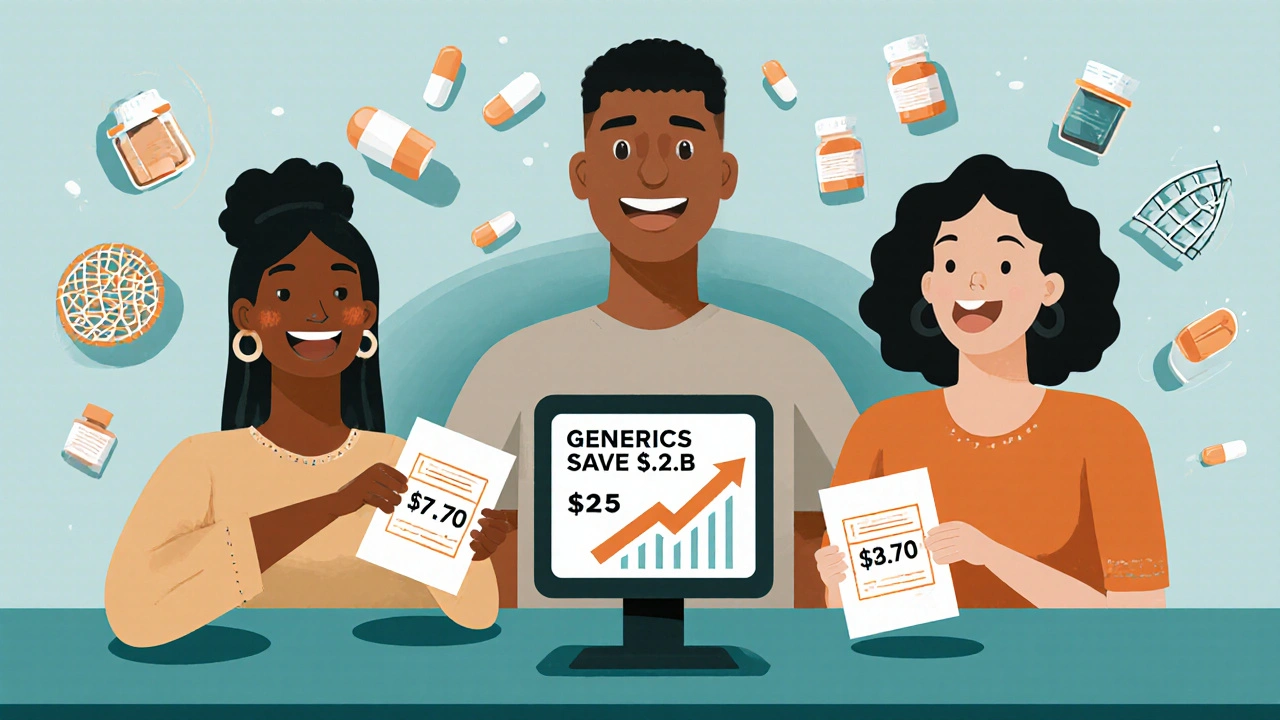
Australia's Pharmaceutical Benefits Scheme (PBS) subsidizes prescription drugs, making medicines affordable for millions. This overview explains how PBS works, the role of generic drugs, co-payment changes, and the real impact on patients and the healthcare system.
Pharmaceutical Benefits Scheme: What It Is and How It Affects Your Medication Access
When you pick up a prescription and pay far less than the full price, you’re likely seeing the Pharmaceutical Benefits Scheme, a government-funded program that subsidizes the cost of essential medicines to make them affordable for everyone. Also known as the PBS in Australia, it’s not just a discount—it’s a system designed to ensure no one skips their meds because they can’t afford them. This isn’t a private insurance plan or a pharmacy promotion. It’s a public health tool, funded by taxes and managed by the government to control drug costs while keeping treatments available.
The Pharmaceutical Benefits Scheme works by negotiating prices with drug makers, then covering most of the cost when you fill a prescription. You still pay a co-payment, but it’s capped—so even expensive drugs like biologics for rheumatoid arthritis or cancer therapies become manageable. That’s why you’ll see posts here about generic drugs being chosen by hospitals, or how biosimilars are changing the market. These aren’t random topics—they’re direct results of how the PBS shapes what’s available, what’s affordable, and who gets access.
It’s not perfect. Some drugs take years to get approved. Others get pulled because the price tag is too high. And while the PBS covers hundreds of medications, it doesn’t cover everything. That’s why you’ll find articles here about medication access gaps—like how patients struggle to get TNF inhibitors for ankylosing spondylitis, or why certain ADHD meds aren’t subsidized for adults. These aren’t complaints. They’re real stories tied to policy decisions.
The PBS also affects how doctors prescribe. If a cheaper generic version exists and is on the list, they’re often required to use it—unless there’s a medical reason not to. That’s why you’ll see posts about physician liability when switching generics, or how hospital formularies choose which drugs to stock. The PBS doesn’t just lower prices—it changes clinical choices, patient outcomes, and even how drug companies design their products.
What you’ll find below isn’t just a list of articles. It’s a map of how this system touches real lives. From how child-resistant caps are regulated to why privacy matters when disposing of pills, every post connects back to one thing: access. Whether it’s a woman managing postpartum thyroiditis, a teen on ADHD meds, or someone using gabapentin with opioids, the PBS plays a role—sometimes quietly, sometimes loudly. These stories show you what’s covered, what’s not, and what you can do when the system doesn’t quite fit your needs.