
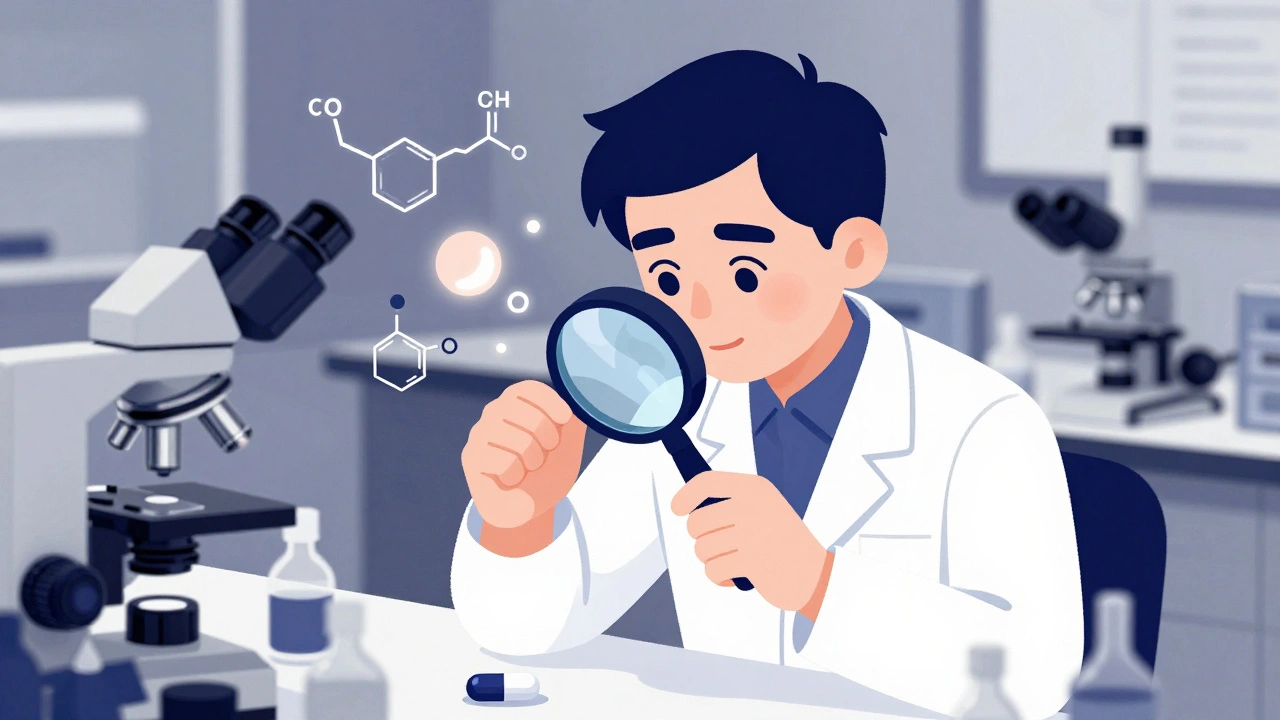
Generic drugs save billions in healthcare costs and work just like brand-name medications. Learn how they're made, from reverse engineering the original to FDA approval and quality control - all explained step by step.
CGMP: What It Really Means for Generic Drug Safety and Quality
When you pick up a generic pill, you expect it to work just like the brand-name version. That’s not luck—it’s because of CGMP, Current Good Manufacturing Practices, the set of rules that control how drugs are made. Also known as cGMP, it’s the backbone of every safe, effective generic medication you use. These aren’t suggestions. They’re legally binding standards enforced by the FDA and global health agencies. If a factory doesn’t follow CGMP, its drugs can’t be sold. Period.
CGMP covers everything: how clean the factory is, how workers handle ingredients, how machines are calibrated, and how each batch is tested. It’s not just about avoiding dirt—it’s about controlling every tiny variable that could change a drug’s effect. A single batch of blood pressure medicine made in a dusty room with untrained staff could be deadly. CGMP stops that before it happens. FDA inspections, unannounced visits by regulators who check records, equipment, and procedures make sure companies don’t cut corners. And pharmaceutical manufacturing, the entire process of turning raw chemicals into pills, injections, or creams has to be documented down to the second. No guesswork. No shortcuts.
Why does this matter to you? Because CGMP is why your $5 generic statin works the same as the $150 brand. It’s why your child’s antibiotic doesn’t have mold in it. It’s why you can trust that your diabetes pill has the right dose—even if it came from a factory across the world. The cGMP standards, the detailed technical requirements that define how manufacturing must be done are what make generics reliable, not just cheap. Without them, the whole system collapses. You’d have no way to know if your medicine was safe.
What you’ll find below are real stories from inside this system: how cleanrooms keep drugs free of contaminants, how the FDA catches bad batches before they reach shelves, why changing a single step in manufacturing requires approval, and how even small mistakes can lead to recalls. These aren’t theory pieces—they’re deep dives into the rules that keep your medicine safe. Whether you’re a patient, a pharmacist, or just someone who takes pills, this collection shows you exactly what’s happening behind the bottle.
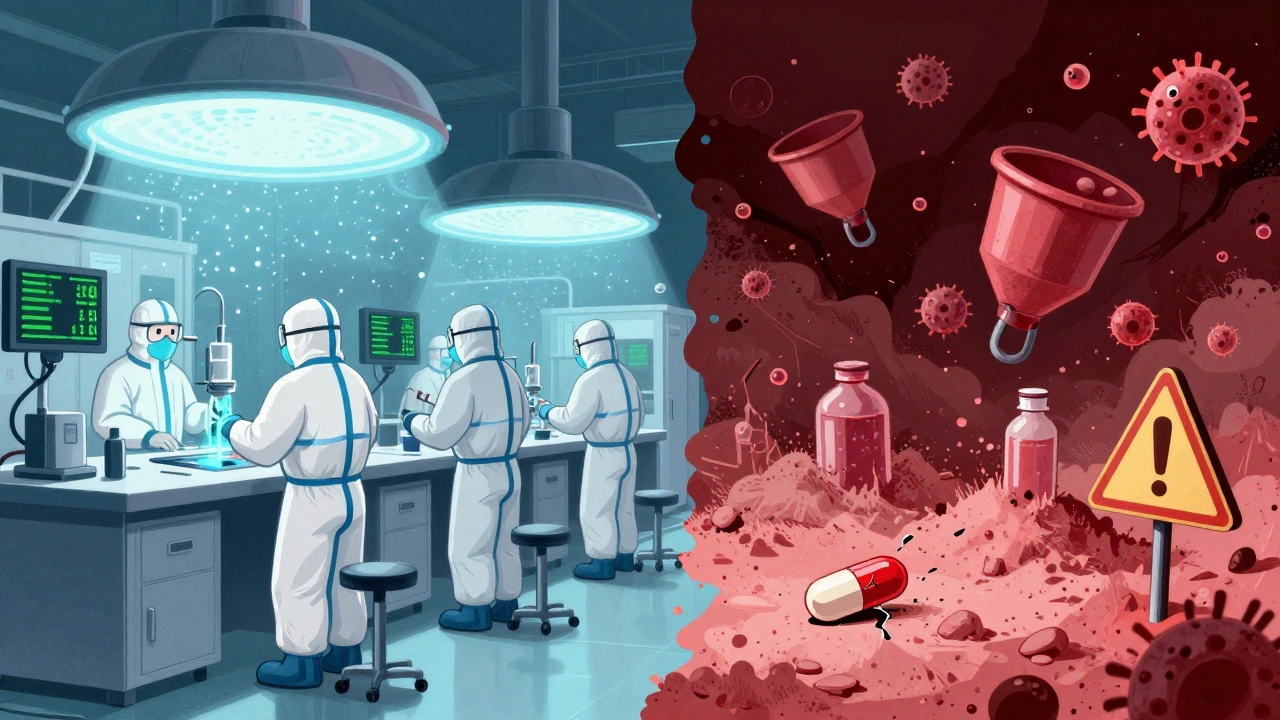
Contamination controls in generic drug manufacturing prevent harmful adulteration through strict environmental standards, real-time monitoring, and human-centered procedures. Without them, even low-level residues can trigger recalls and endanger patients.