
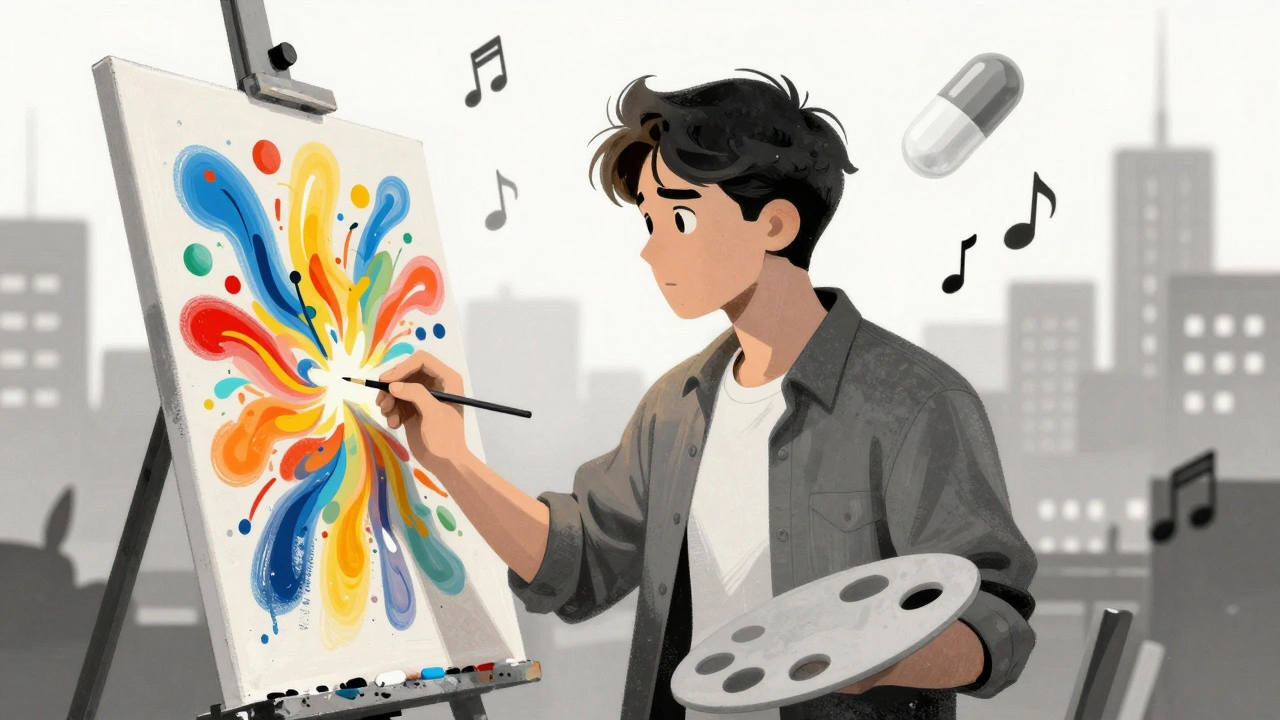
Risperidone can reduce hallucinations but may also dampen creativity in artists and writers. Learn how this antipsychotic affects artistic expression, what research says, and how to protect your creative voice while managing mental health.
Psychiatric Medication: What Works, What Risks, and What You Need to Know
When someone starts psychiatric medication, a class of drugs used to treat mental health conditions like depression, bipolar disorder, and schizophrenia. Also known as mental health drugs, these aren’t quick fixes—they’re tools that help rebalance brain chemistry over time. Many people expect immediate relief, but most need weeks to feel any change. And for some, the first pill doesn’t work at all. That’s normal. Finding the right one often means trying a few, adjusting doses, or combining them with therapy.
Antidepressants, drugs like SSRIs and SNRIs that target serotonin and norepinephrine to ease sadness and anxiety are the most common, but they’re not magic. They don’t make you happy—they take the edge off the pain so you can start living again. Antipsychotics, used for schizophrenia, severe bipolar episodes, and sometimes treatment-resistant depression, can cause weight gain or movement issues, which is why doctors monitor them closely. And mood stabilizers, like lithium and valproate, that help prevent extreme highs and lows in bipolar disorder, require regular blood tests because the line between effective and toxic is thin.
What no one tells you? These drugs don’t work in isolation. A study from the National Institute of Mental Health found that people who took psychiatric medication and had weekly therapy were twice as likely to stick with treatment after six months. Support groups, sleep routines, and even daily walks matter more than most prescriptions admit. And the biggest risk? Mixing them with alcohol, opioids, or even over-the-counter cold meds. Gabapentin and antidepressants together? That combo can slow your breathing. Stopping suddenly? That can trigger seizures or a crash worse than the original symptoms.
You’re not alone if you’ve felt confused, scared, or even ashamed about taking these pills. But the truth is, millions rely on them to get out of bed, hold a job, or hold onto their families. The goal isn’t to be ‘cured’—it’s to be stable enough to live your life. The posts below show real cases: how one person switched from five meds to two and finally slept through the night, why a teen’s ADHD drug made them lose 15 pounds, and how a woman with postpartum depression found relief after her doctor finally checked her thyroid. These aren’t theory. These are lives.