
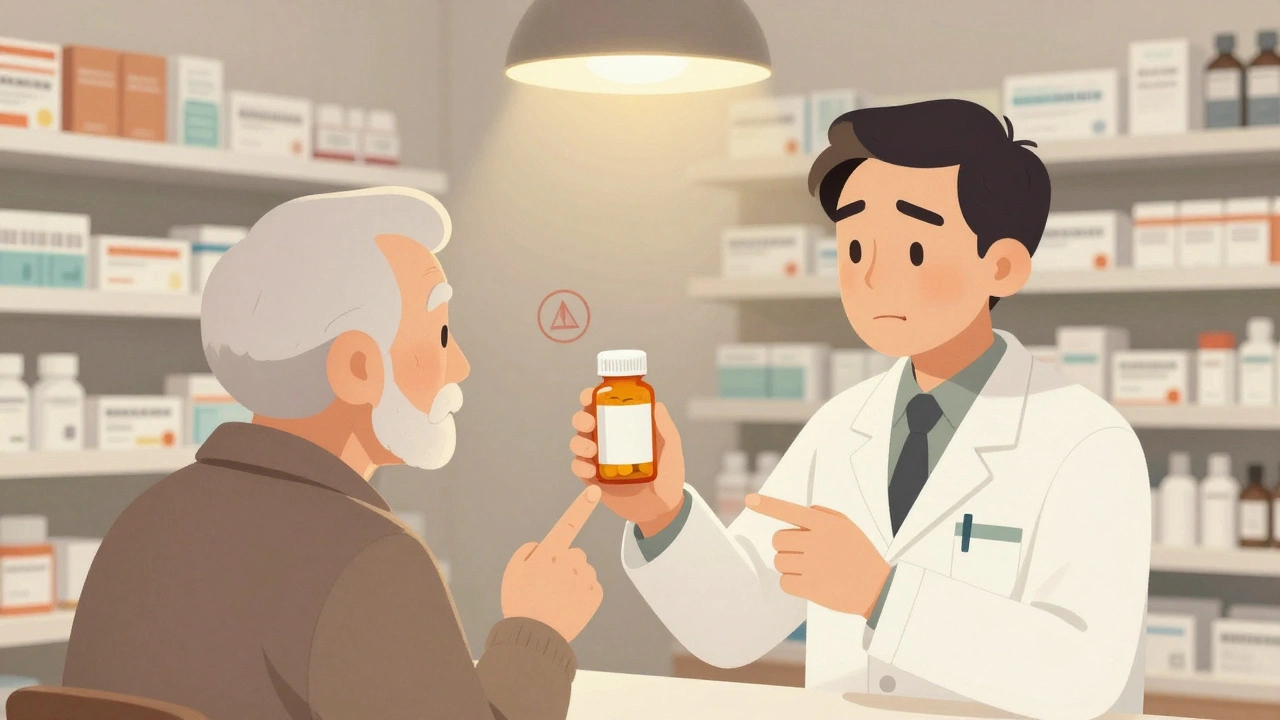
Patient counseling catches 83% of dispensing errors before patients leave the pharmacy. Learn how to use open-ended questions, teach-back methods, and physical verification to stop medication mistakes - and why this simple step saves lives and money.
Pharmacy Error Detection: How to Spot and Prevent Medication Mistakes
When you pick up a prescription, you expect the right drug, the right dose, and clear instructions. But pharmacy error detection, the process of identifying mistakes in prescribing, dispensing, or labeling medications. Also known as medication error prevention, it’s not just a job for pharmacists—it’s something every patient should understand. A single slip-up—like confusing metformin with metoprolol, or missing a dangerous interaction between blood thinners and NSAIDs—can land you in the ER. And these aren’t rare. Studies show that over 1.5 million Americans are harmed each year by preventable medication errors. Most happen at the pharmacy counter, not the doctor’s office.
That’s why drug safety, the system of practices and checks designed to keep medications safe from harm relies on layers: electronic prescriptions, barcode scanning, pharmacist reviews, and patient vigilance. prescription mistakes, errors in dosage, drug selection, or patient-specific risks like kidney issues or allergies often slip through because no one system is perfect. But you can be the final checkpoint. Did the pill look different this time? Is the label missing your name? Is the dose higher than what your doctor said? These aren’t paranoid questions—they’re essential ones.
pharmacy safety, the environment and procedures that reduce the chance of mistakes in drug handling has improved with automation and stricter FDA oversight, but human factors still matter. Pharmacists are overworked. Labels get misprinted. Generic substitutions happen without clear communication. That’s why the posts below cover real-world examples: how the FDA ensures generic drug quality, why hospital formularies sometimes switch meds without telling you, how child-resistant caps prevent accidents, and how to report a bad reaction before someone else gets hurt. You’ll find guides on spotting dangerous combos like gabapentin and opioids, understanding why biosimilars aren’t generics, and how to protect your privacy when tossing old bottles. This isn’t theory. It’s what happens between the prescription pad and your medicine cabinet. And if you’ve ever wondered if that new pill is really what you were supposed to get—you’re not alone. The answers are here.