
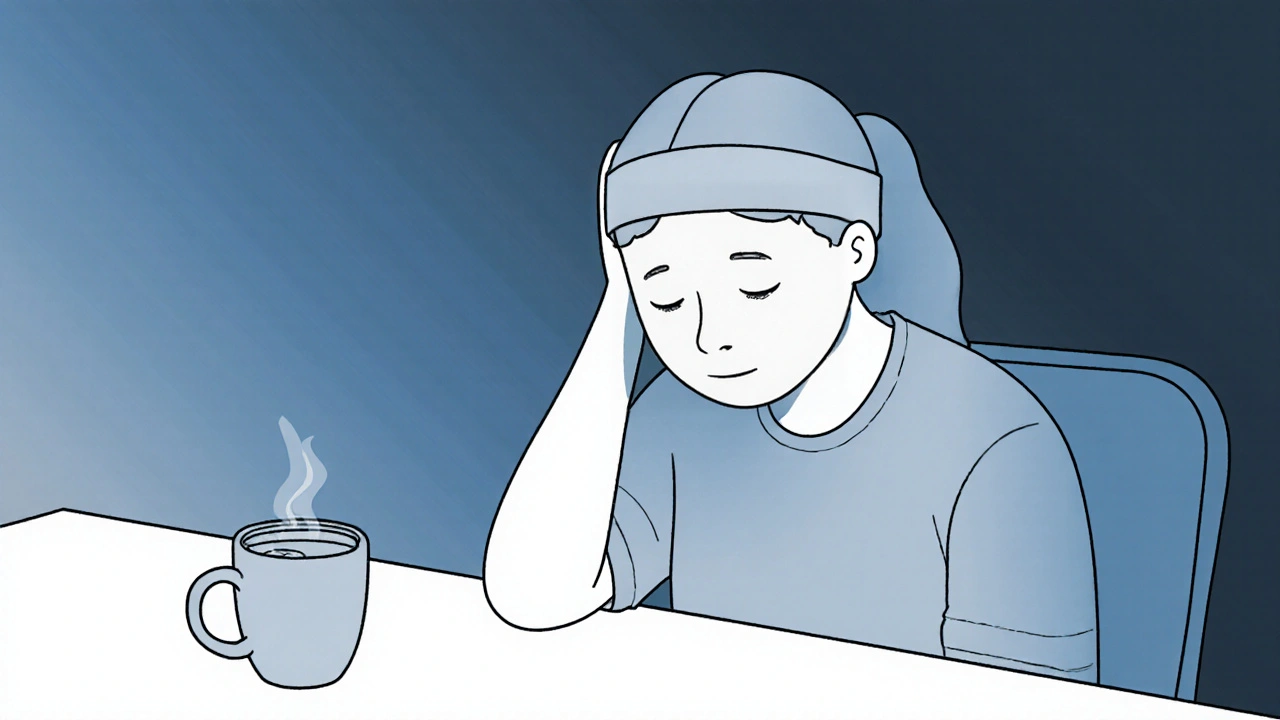
Tension, migraine, and cluster headaches are three distinct conditions with different causes, symptoms, and treatments. Learn how to tell them apart and what to do next.
Headache Differences: Types, Causes, and What They Really Mean
When you have a headache, a common pain condition affecting the head or upper neck. Also known as cephalalgia, it’s one of the most frequent reasons people visit doctors—or skip work, cancel plans, or reach for painkillers without thinking twice. But here’s the thing: not all headaches are created equal. What feels like a simple stress headache could be something more serious—or just a different kind of headache entirely.
Take tension headaches, the most common type, often caused by muscle tightness in the neck and scalp. They feel like a dull, constant pressure around your head, like a tight band. You might notice them after staring at a screen too long, skipping meals, or sleeping funny. They don’t usually come with nausea or light sensitivity. Then there’s migraine, a neurological disorder that causes severe, throbbing pain, often on one side of the head. Migraines don’t just hurt—they come with nausea, vomiting, and sensitivity to light and sound. Some people see flashing lights or blind spots before the pain hits. That’s called an aura, and it’s a warning sign, not just a weird side effect.
Then there’s the cluster headache, one of the most painful conditions known to medicine. These strike like clockwork, often at the same time every day, and last 15 to 180 minutes. The pain is sharp, burning, and centered around one eye. You might get a red eye, a runny nose, or a drooping eyelid on the same side. People with cluster headaches often pace or rock back and forth because the pain is unbearable. And then there’s the sinus headache, pain caused by inflamed sinuses. Most people think they have one when their face feels stuffed up—but true sinus headaches are rare. If you don’t have a fever, thick nasal discharge, or congestion, it’s probably not your sinuses.
Why does this matter? Because treating a migraine like a tension headache won’t help. Taking decongestants for a cluster headache won’t touch the pain. And if you’re misdiagnosing your headache type, you could be missing something bigger—like high blood pressure, a brain tumor, or a medication overuse problem. The right diagnosis isn’t about guessing. It’s about recognizing patterns: when it happens, how long it lasts, what makes it better or worse, and what else you’re feeling.
What you’ll find below are real, practical comparisons from people who’ve been there. We’ve pulled together posts that break down how these headaches differ in symptoms, triggers, and treatments. You’ll see how one person’s daily tension headache is managed with posture changes and stress tools, while another’s migraine responds only to specific prescription meds. You’ll learn why some headaches respond to caffeine and others get worse from it. You’ll find out why doctors sometimes avoid prescribing certain drugs for certain types—because the risks don’t match the symptoms.