
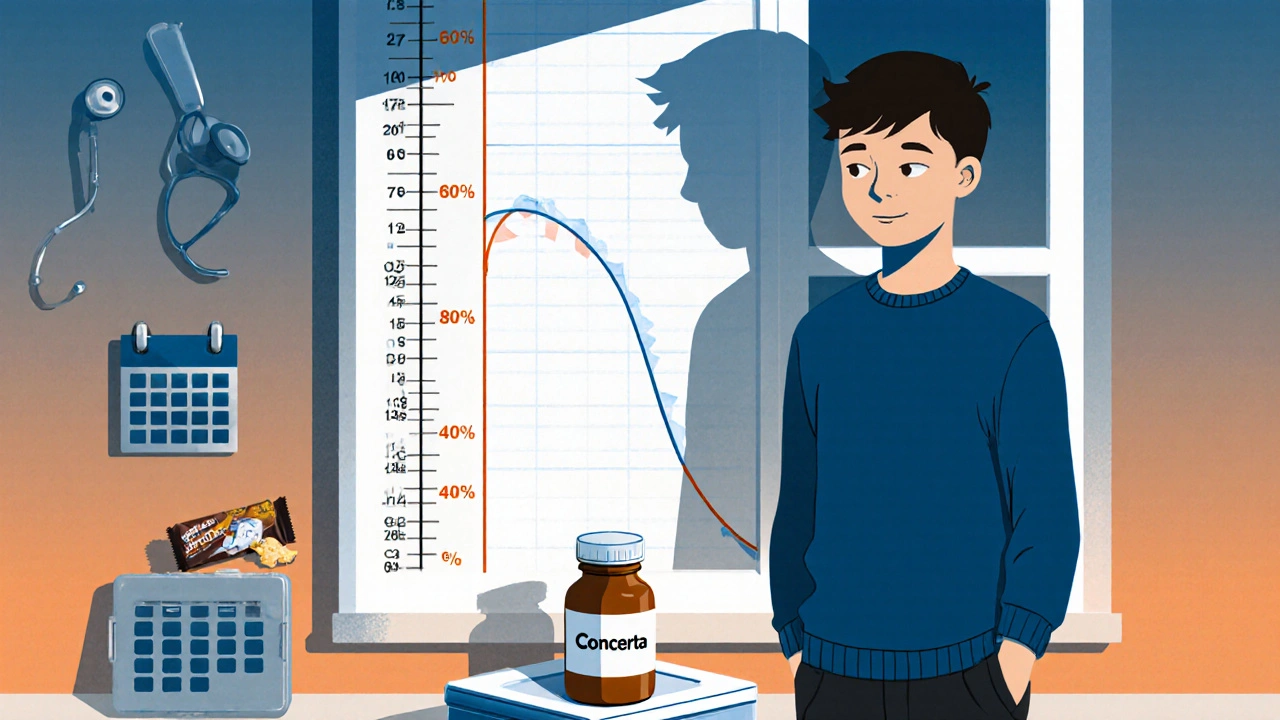
ADHD medications help teens focus but can suppress appetite and slow growth. Learn how to monitor height, weight, and nutrition to protect long-term development while managing symptoms effectively.
ADHD Medication Side Effects: What You Need to Know Before Taking Them
When you or your child starts ADHD medication, prescription drugs used to improve focus and reduce impulsivity in attention deficit hyperactivity disorder. Also known as stimulants or non-stimulant ADHD treatments, these drugs work by adjusting brain chemicals like dopamine and norepinephrine. But they don’t come without trade-offs. About 70% of people on stimulants like methylphenidate or amphetamines report at least one side effect. Some are mild—like dry mouth or trouble sleeping. Others can be more serious, like increased heart rate, mood swings, or loss of appetite. The key isn’t avoiding medication altogether—it’s knowing what to watch for and when to speak up.
Not all ADHD meds are the same. Stimulant side effects, common reactions to drugs like Adderall, Ritalin, and Vyvanse that boost brain activity often show up quickly: trouble falling asleep, reduced appetite, stomach upset. For kids, this can mean slower weight gain. For adults, it might mean feeling jittery or anxious. Then there are non-stimulant ADHD drugs, like Strattera or Intuniv, which work differently and have a different side effect profile. These are slower to kick in but may cause drowsiness, dizziness, or upset stomach instead. Some people switch to non-stimulants because stimulants didn’t work—or made things worse. Others start with them because of heart concerns or a history of substance use.
What’s often missed is how side effects change over time. Many people find that the first week or two are the hardest. Nausea fades. Sleep improves. Appetite returns. But for some, problems like irritability or emotional blunting stick around. That’s when you need to talk to your doctor—not just about stopping, but about adjusting the dose, switching brands, or trying a different approach. Kids on ADHD meds should be monitored for growth delays. Adults should watch for blood pressure changes. And no one should ignore sudden mood shifts or unusual thoughts. These aren’t normal. They’re red flags.
There’s no one-size-fits-all answer. What’s a minor annoyance for one person could be a dealbreaker for another. That’s why knowing the full picture matters—before you start, while you’re on it, and when you’re thinking about stopping. Below, you’ll find real, detailed comparisons and patient-focused advice on managing these effects. No fluff. Just what works, what doesn’t, and what to ask your doctor next time you’re in the office.