
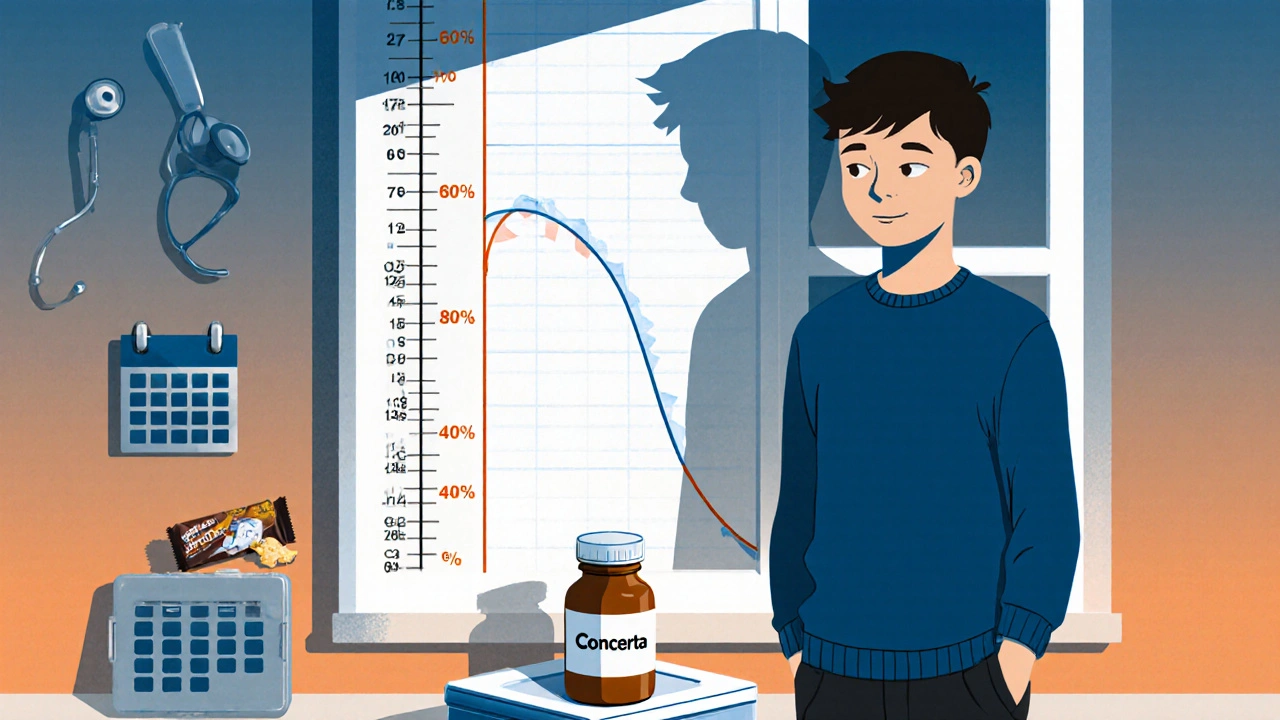
ADHD medications help teens focus but can suppress appetite and slow growth. Learn how to monitor height, weight, and nutrition to protect long-term development while managing symptoms effectively.
ADHD and Adolescent Development: What Parents and Teens Need to Know
When we talk about ADHD, a neurodevelopmental condition that affects attention, impulse control, and activity levels. Also known as attention deficit hyperactivity disorder, it doesn't disappear when a child turns 13—it evolves. What looked like fidgeting in elementary school becomes difficulty with time management, emotional outbursts, or dropping grades in high school. This isn't just about being distracted. It's about how the brain's wiring changes during adolescence, and how those changes interact with school pressure, social expectations, and hormonal shifts.
Adolescent development is already a minefield of identity, independence, and peer pressure. Add ADHD into the mix, and the stakes get higher. Teens with ADHD are more likely to struggle with organization, forget assignments, miss deadlines, or feel overwhelmed by tasks others handle easily. They might be labeled lazy or unmotivated, when the real issue is executive dysfunction—the brain’s inability to plan, start, and follow through. And it’s not just academic. Relationships suffer. Self-esteem dips. Some turn to substances to self-medicate. Others shut down completely. The good news? Early support makes a real difference. Medication, behavioral strategies, and school accommodations aren’t just helpful—they’re often life-changing.
Parenting a teen with ADHD isn’t about fixing them. It’s about adapting. It’s learning how to set clear, consistent boundaries without micromanaging. It’s helping them find tools that work—like phone reminders, visual schedules, or study buddies—instead of yelling about unfinished homework. It’s recognizing that their brain works differently, not worse. And it’s knowing when to step back and when to step in. Teens with ADHD need structure, but they also need space to learn from mistakes. The balance is tricky, but it’s possible.
There’s also a bigger picture: ADHD doesn’t happen in a vacuum. It overlaps with anxiety, depression, learning disabilities, and sleep problems. Many teens go undiagnosed until their late teens, because their symptoms look like moodiness or rebellion. Others are misdiagnosed entirely. That’s why understanding the full scope matters—what looks like laziness might be burnout from constant mental effort. What seems like defiance could be frustration from being misunderstood.
Below, you’ll find real, practical guides written by experts who’ve seen this play out in clinics and homes. From how stimulant meds affect teen brains to how to talk to schools about accommodations, from managing screen time to spotting co-occurring depression—these posts cut through the noise. No fluff. No theory. Just what works when your teen is struggling to get out of bed, finish a paper, or hold onto a friendship.