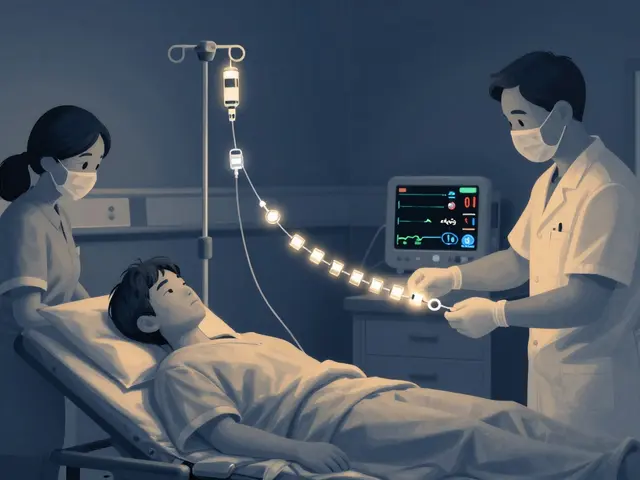
When a drug triggers a serious allergic reaction, the instinct is to avoid it forever. But what if that drug is the only one that can save your life? For patients with confirmed IgE-mediated allergies to essential medications-like chemotherapy drugs, antibiotics, or biologics-there’s a proven, medically supervised way forward: drug desensitization. It’s not a cure. It’s not a workaround. It’s a carefully controlled process that lets your body temporarily tolerate the very drug that once made you sick.
What Drug Desensitization Actually Does
Drug desensitization doesn’t change your immune system permanently. It doesn’t erase the allergy. Instead, it temporarily resets how your body reacts to the drug by slowly flooding your system with tiny, increasing doses. Think of it like slowly turning up the volume on a speaker that’s been blasting at maximum. By introducing the allergen in minuscule amounts over hours, you prevent the immune system from going into full alarm mode. This technique works because the mast cells and basophils-your body’s allergy alarm bells-get overwhelmed by the slow, steady drip of the drug. They don’t have time to release enough histamine to trigger a full reaction. It’s not magic. It’s physiology. And it’s been used successfully for decades in hospitals like Brigham and Women’s, where Dr. Mariana C. Castells and her team have helped thousands of cancer patients finish life-saving treatments they were told to quit.When Is It Used?
You don’t get desensitized just because you got a rash. This is reserved for life-threatening situations where no alternatives exist. Common scenarios include:- Patients with cancer who react to paclitaxel, cisplatin, or other chemotherapy drugs
- People with rheumatoid arthritis or Crohn’s disease who need monoclonal antibodies like infliximab or rituximab
- Those with cystic fibrosis who develop allergies to essential antibiotics like vancomycin or piperacillin-tazobactam
- Patients allergic to aspirin or NSAIDs who need daily low-dose aspirin for heart protection
- Individuals with severe allergies to local anesthetics like lidocaine who need surgery
How the Procedure Works
There’s no one-size-fits-all protocol. Each one is custom-built based on the drug, the patient’s reaction history, and the route of administration. But most follow a similar structure. For intravenous drugs (like antibiotics or chemo), the most common method uses a 12-step protocol:- Start with a dose of 1/10,000th of the full therapeutic dose
- Double the dose every 20-30 minutes
- Use three concentration solutions: 1:100, 1:10, and undiluted
- Reach the full dose in about 5-6 hours
What Happens If You React?
Reactions during desensitization aren’t rare-but they’re manageable. If a patient develops hives, itching, or mild wheezing, the team doesn’t stop. They pause, drop back to the last tolerated dose, and extend the time between steps. Sometimes, they slow the rate of increase. Sometimes, they give antihistamines or steroids before continuing. Severe reactions-like low blood pressure, swelling of the throat, or trouble breathing-are rare but possible. If they happen, the procedure is halted immediately. Epinephrine is given. The patient is stabilized. And the team decides whether to try again later, adjust the protocol, or abandon the attempt.
What Drugs Can Be Desensitized?
Not all drugs can be safely desensitized. Some reactions are too dangerous to risk.- Safe for desensitization: Antibiotics (penicillins, vancomycin), chemotherapeutics (paclitaxel, carboplatin), monoclonal antibodies (rituximab, cetuximab), aspirin, NSAIDs, local anesthetics, iron infusions
- Avoid desensitization: Drugs that caused Stevens-Johnson syndrome, toxic epidermal necrolysis, DRESS syndrome, or drug-induced hepatitis or nephritis
It’s Temporary-And That’s the Point
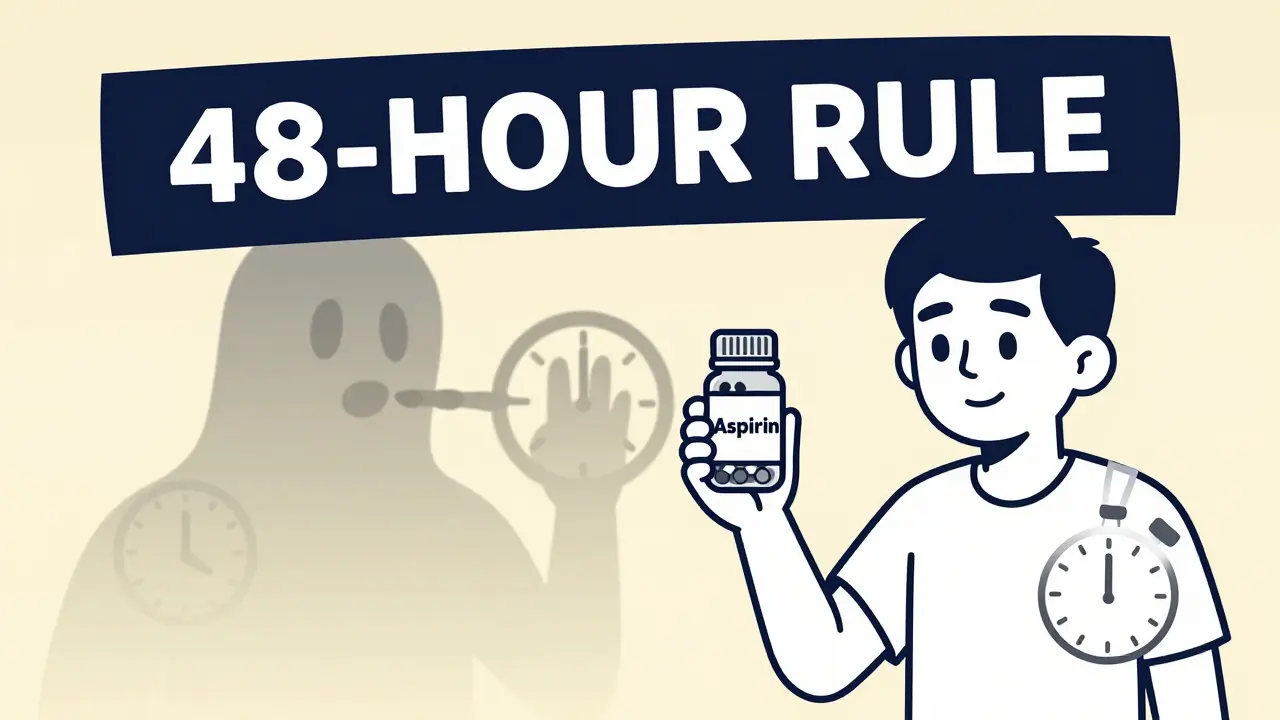
Here’s the biggest misconception: people think desensitization means you’re no longer allergic. You’re not. The tolerance lasts only as long as you keep taking the drug daily. If you stop for more than 48 hours, your sensitivity can return. That’s why patients on long-term aspirin therapy get daily doses-even if they’ve been desensitized for years. If you need a second course of chemo months later, you’ll likely need to go through the whole process again. This isn’t a flaw. It’s a safety feature. The temporary nature prevents the immune system from becoming permanently tolerant to something that could still be dangerous. It’s like wearing a seatbelt-you don’t get immune to crashing. You just learn how to survive the ride.Who Can Perform It?
This isn’t something a general practitioner can do. It requires:- A specialist in allergy and immunology
- A facility with full resuscitation equipment (epinephrine, IV fluids, oxygen, monitors)
- A trained nursing team familiar with the protocol
- A written, approved plan for each patient and each drug
Success Rates and Real Outcomes
When done right, success rates exceed 90%. In oncology, studies show patients who undergo desensitization complete their chemotherapy regimens with no life-threatening reactions. Many go on to live longer because they didn’t have to stop treatment. In rheumatology, patients with autoimmune diseases who react to biologics can resume life-changing therapies. One study found 94% of patients with IgE-mediated reactions to infliximab successfully completed desensitization and continued treatment without recurrence. Even for aspirin, which causes non-IgE-mediated reactions, desensitization reduces asthma flare-ups in patients with aspirin-exacerbated respiratory disease by up to 70%.What to Expect Before the Procedure
If you’re being considered for desensitization:- You’ll have a detailed allergy history review
- Skin tests or blood tests (like IgE levels) may be done to confirm the allergy
- Your medical team will check for any contraindications
- A written protocol will be prepared and reviewed with you
- You’ll be told exactly how long it will take and what side effects to expect
What Happens After?
Once you’ve received the full dose, you’ll be monitored for at least another hour. If you’re stable, you’ll be sent home with instructions:- Take the next dose exactly on schedule
- Don’t skip a dose
- Call immediately if you develop itching, swelling, or breathing trouble
- Keep your emergency epinephrine pen handy
Why This Matters Now
As medicine moves toward targeted therapies-precision cancer drugs, immune checkpoint inhibitors, new biologics-the number of patients with drug allergies is rising. These drugs are powerful. They’re often irreplaceable. And they’re more likely to trigger reactions. Desensitization isn’t a niche procedure anymore. It’s a lifeline. For patients who would otherwise have no treatment options, it’s the difference between survival and surrender.Can I try drug desensitization at home?
No. Drug desensitization must be done in a controlled medical setting with trained staff and emergency equipment. Even minor reactions can become life-threatening within minutes. There is no safe at-home version of this procedure.
Is drug desensitization the same as immunotherapy?
No. Immunotherapy, like allergy shots for pollen, works by gradually training your immune system to stop reacting. Desensitization doesn’t change your immune system. It just temporarily blocks the reaction while you’re being dosed. Once you stop the drug, the allergy returns.
What if I miss a dose during desensitization?
If you miss a dose by more than 48 hours, your allergy sensitivity may return. You’ll need to restart the entire desensitization process. That’s why patients on long-term therapy are advised to take their medication every day without skipping.
Are there any drugs that can’t be desensitized at all?
Yes. Drugs that caused severe skin reactions like Stevens-Johnson syndrome, toxic epidermal necrolysis, or DRESS syndrome are absolute contraindications. These involve organ damage and tissue death-not just an allergic response-and attempting desensitization could be fatal.
How long does the whole process take?
It depends on the drug. IV desensitization for antibiotics or chemo usually takes 5-6 hours. Oral aspirin desensitization can take 2-3 days. Each step is carefully timed, and delays are common if reactions occur. Patience is required.