
Opioid Side Effect Management Guide
Select the symptoms you are currently experiencing. This tool generates a customized action plan based on clinical prevention and management strategies.
Constipation
Dry stool, infrequent bowel movements
Drowsiness
Sedation, mental fog, grogginess
Nausea
Queasiness, vomiting sensation
Important Safety Notice
This tool provides informational guidance based on general clinical patterns. Do not change your medication regimen, dosage, or stop taking opioids without consulting your prescribing physician. Abrupt discontinuation can cause severe withdrawal symptoms. Always discuss side effects with your healthcare provider.
Pain relief often comes with a price tag written in unwanted symptoms. You might be managing severe pain after surgery or dealing with chronic conditions, yet feel trapped by opioids which bind tightly to receptors in your brain and gut. While these medications are powerful tools for survival in acute injury scenarios, they come with a notorious trio of reactions: constipation, drowsiness, and nausea. These aren’t just minor inconveniences; they can dictate whether you continue treatment or stop altogether because the quality of life drops too low.
Understanding the mechanics behind these issues helps demystify why they happen. Opioids work by mimicking natural painkillers called endorphins. When they attach to mu-opioid receptors, they block pain signals, but those same receptors exist in your digestive system and brainstem. This widespread activity explains why side effects appear almost immediately upon starting therapy. Unlike allergies, which trigger an immune response, these reactions are pharmacological predictions. Experts from the American Academy of Family Physicians confirm that certain outcomes are virtually guaranteed if left untreated.
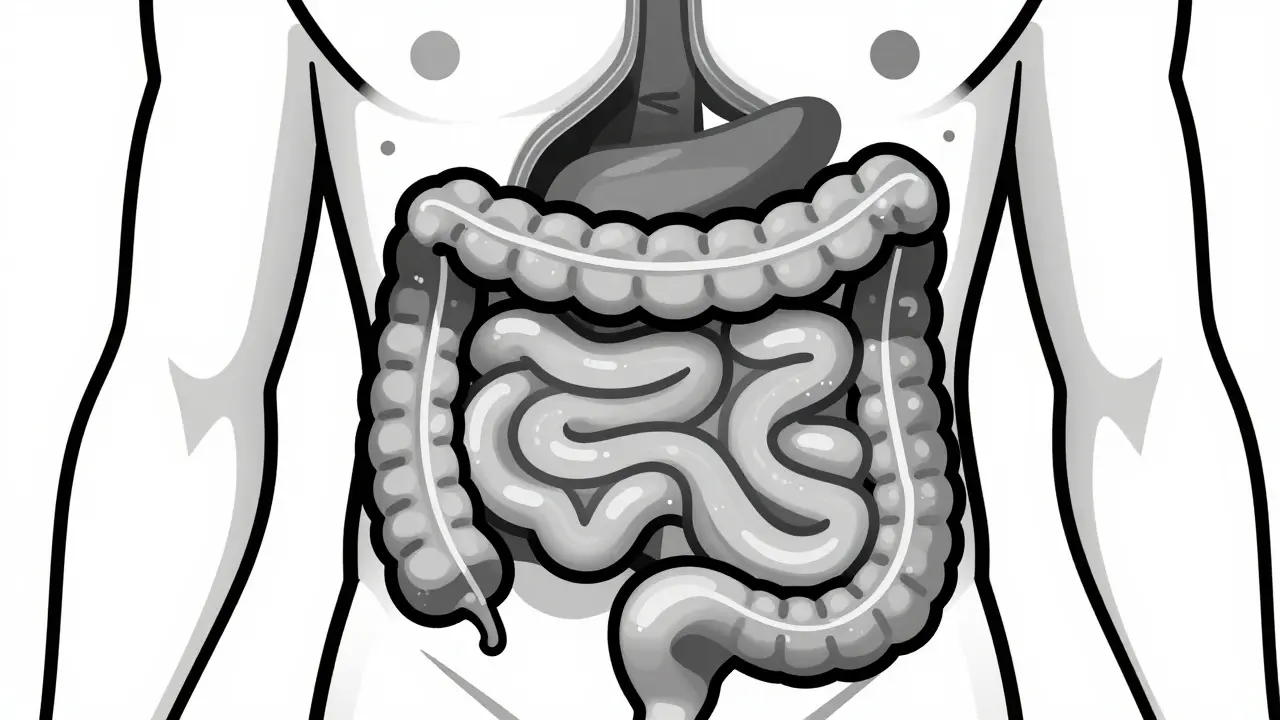
The Reality of Opioid-Induced Constipation
Constipation is the most stubborn issue facing patients on long-term therapy. It affects nearly everyone who takes these drugs daily over time. Why does this happen? The drug slows down peristalsis, which is the wave-like movement of your intestines. It also causes your gut walls to absorb too much water from your stool, making it hard and difficult to pass. Crucially, this symptom rarely goes away on its own as your body gets used to the drug, unlike other side effects.
Waiting until you have a problem is a mistake. Clinical guidelines strongly suggest starting preventive measures before the first dose even hits your system. You shouldn’t wait for constipation to start taking action. A common strategy involves combining two types of laxatives right from day one:
- Stimulant laxatives like senna to encourage bowel movement.
- Osmotic agents like polyethylene glycol to keep stool soft by drawing water into the colon.
If these standard options fail, there are newer medications designed specifically for this condition. For example, Methylnaltrexone was approved in 2008 specifically to reverse opioid-induced constipation without stopping the pain relief. It acts only on the gut and doesn’t cross the blood-brain barrier, which means it won’t interfere with your analgesia. Another option includes peripheral antagonists like naloxegol or naldemedine, which target the specific receptors causing the slowdown.
Navigating Sedation and Mental Fog
Sedation is often described as drowsiness or feeling groggy. Studies show that between 20% and 60% of people experience this when they begin therapy. It usually happens because the drug depresses your central nervous system (CNS). This effect is most intense when you start the medication or increase the dosage significantly. Fortunately, for many patients, this settles down within a few days as tolerance builds up.
However, for about 10% to 15% of users, this sedation persists long-term. This isn’t just feeling sleepy; it manifests as mental fog that impacts daily functioning, such as driving or working safely. If this doesn’t fade, simply waiting longer isn’t the answer. Doctors might consider adjusting the timing of doses or reducing the amount. In rare refractory cases, stimulants like methylphenidate have been tried, but evidence supporting their efficacy remains limited compared to simple dose adjustments. Always check for interactions with other meds, especially benzodiazepines like Valium or Xanax, as mixing these creates dangerous respiratory depression risks highlighted by the Centers for Disease Control and Prevention.

Dealing with Nausea and Vomiting
Nausea affects roughly a quarter of new patients. This occurs via two main paths. First, opioids stimulate the chemoreceptor trigger zone located in the brainstem, which tells your stomach to empty violently. Second, the drug slows gastric emptying directly, leading to queasiness. Typically, your body develops tolerance to this nausea within the first week. Yet, for 10% of long-term users, it lingers and ruins meal times.
Treating this requires targeting the specific chemical pathway causing the upset. Different antiemetic drugs work differently:
| Drug Class | Example Medications | Mechanism |
|---|---|---|
| Dopamine Antagonists | Metoclopramide, Prochlorperazine | Blocks dopamine receptors triggering vomiting |
| Serotonin Antagonists | Ondansetron | Blocks serotonin receptors in CTZ |
| Antihistamines | Promethazine | Calms vestibular system |
Your doctor typically starts with dopamine antagonists as they are effective and generally well-tolerated. Sometimes switching from one opioid to another can help if one specific drug triggers stronger reactions than others.
Prevention and Safety Protocols
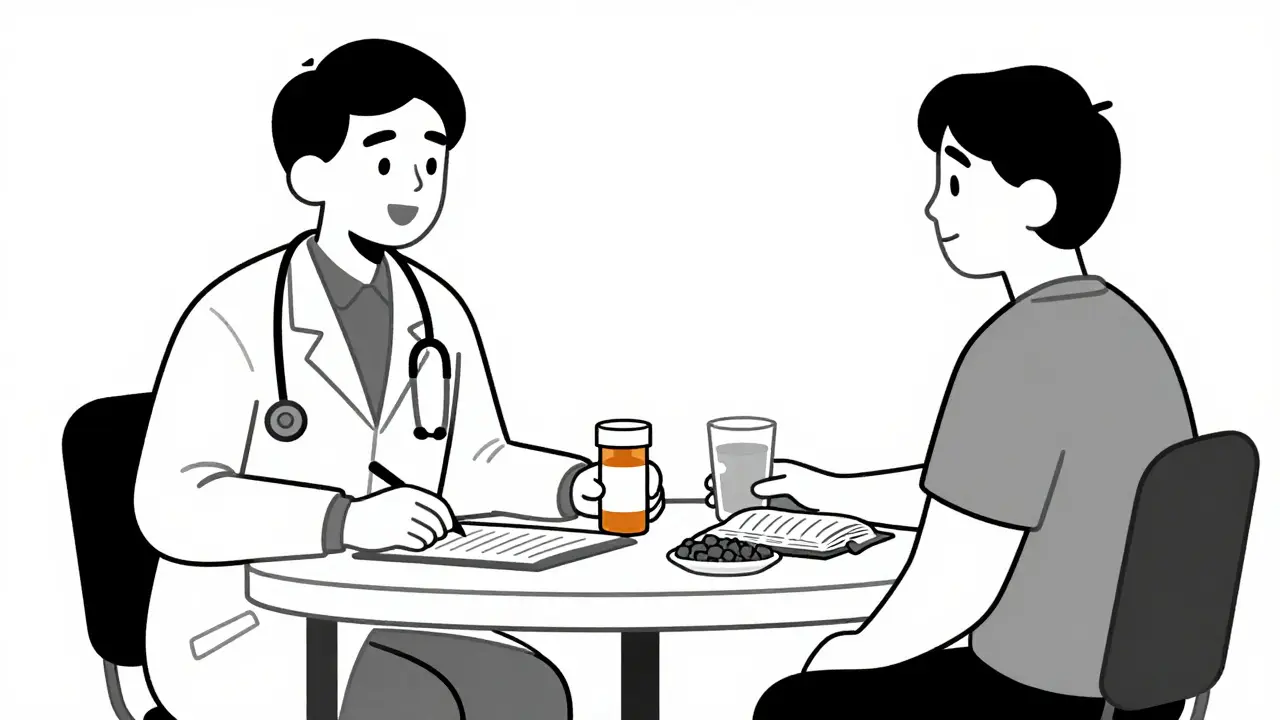
The gold standard for managing opioid side effects is proactive prevention rather than reactive treatment. Waiting for symptoms to become severe makes them harder to control. You need a plan for bowel movements and sleep quality starting before the first prescription fills.
Safety is paramount regarding discontinuation. Stopping abruptly can cause a withdrawal syndrome that feels physically miserable. Symptoms include rebound pain, diarrhea, and anxiety. The FDA has warned that rapid tapering can lead to serious psychological distress. Tapering must be gradual, guided by a professional who monitors your progress to ensure stable pain control while minimizing withdrawal symptoms.
You should also review any other medications you take. Some supplements or prescriptions might worsen sedation or gut motility. Keeping a symptom diary helps identify patterns related to dosing times. Most adverse effects are predictable consequences of the drug’s pharmacology, meaning they follow a logical timeline based on how the drug processes in your body.
Will constipation from opioids ever go away?
Unlike drowsiness or nausea, constipation typically persists throughout the duration of opioid therapy. Because the drug actively changes how your intestines function, preventative laxatives are needed as long as you take the medication.
Can I drive if I feel drowsy?
You should avoid driving if you experience significant drowsiness or mental fog. Sedation impairs reaction times. Wait until you know exactly how the medication affects you personally, preferably after the initial adjustment period has passed.
What should I do if nausea persists past a week?
If nausea continues beyond 7 days, contact your prescriber. They may switch your antiemetic medication to a different class, such as changing from a dopamine blocker to a serotonin antagonist like ondansetron.
Is it safe to stop opioids suddenly?
No, abrupt discontinuation can cause severe withdrawal symptoms and uncontrolled pain. You must follow a slow tapering schedule under medical supervision to prevent harm.
Do natural remedies help with these side effects?
While hydration and fiber intake help constipation generally, opioid-induced constipation often requires medical intervention like stimulant laxatives because diet alone rarely overcomes the receptor binding in the gut.

Philip Wynkoop
March 29, 2026 at 04:22thanks for posting this info i think it helps everyone understand the risks better 🧠💊
Sabrina Herciu
March 30, 2026 at 09:29This is crucial information! Everyone should read the section on laxatives carefully! Preventative measures are key! Don't wait until you are constipated! It gets worse if ignored!
tyler lamarre
March 31, 2026 at 13:58Oh wonderful another medical blog telling us how to survive their own prescriptions! As if reading a PDF fixes the fact that the drug steals your life! People just want to be told what to do!
Monique Louise Hill
April 1, 2026 at 08:54You really need to check your diet! Why would anyone take opioids long term without talking to their family? It affects everyone around you! 😤😩
Debra Brigman
April 2, 2026 at 23:35The interplay of chemistry and consciousness creates a tapestry of suffering that feels woven into the fabric of healing itself.
Richard Kubíček
April 3, 2026 at 22:35That is a beautiful way to put it. I agree that we must look at the whole person. Sometimes the mind struggles more than the stomach. We can find ways through this together. Hope everyone finds relief soon.
Rohan Kumar
April 5, 2026 at 06:31Pharma companies want us sick forever! They sell the poison then the cure for the poison! It is a trap set up by Big Pharma! 😂🌑
Poppy Jackson
April 7, 2026 at 06:31dont lose hope everyone! you can get through this hard time and feel better again! its tough but love will help you 💪❤️
Tommy Nguyen
April 8, 2026 at 19:53Just stay positive and talk to your doctor.
Devon Riley
April 10, 2026 at 05:00That is really good advice! You are doing great! Keep pushing forward! I believe in you! ✨😊
Jeannette Kwiatkowski Kwiatkowski
April 11, 2026 at 03:58Most people here dont understand the nuances of receptor binding sites. Your average layperson assumes simple cause and effect which is laughably naive. The data suggests otherwise.
Kameron Hacker
April 12, 2026 at 04:41Pain management is often treated as a simple calculation. We forget the human cost involved in chemical intervention. The side effects described are not merely bugs in the system. They are features of the biological contract we sign with these drugs. Constipation indicates a profound shift in our digestive autonomy. Drowsiness signals a surrender of mental clarity to the medicine. Nausea reveals the body rejecting the foreign presence in our blood. Patients are expected to accept these degradations without protest. Society demands productivity even when the biology rebels against it. We ignore the warning signs until our quality of life collapses. Tolerance builds up faster than our wisdom does regarding dosage. The guidelines suggest prevention yet patients wait for crisis. Medical literature treats symptoms as manageable rather than preventable errors. We must demand protocols that respect the patient's dignity fully. Ignoring the gut reaction is ignoring the most honest part of us.