| Metric | Chronic Pain Patients | Healthy Controls |
|---|---|---|
| Time to fall asleep (Onset Latency) | 25-30 mins longer | Baseline |
| Wake-up time during night | ~62 minutes | ~35 minutes |
| Total Sleep Time | ~6.2 hours | ~7.1 hours |
| Sleep Quality (PSQI Score) | 10.5 (Poor) | 5.2 (Good) |
The Science of the "Pain Thermostat"
Why does a bad night's sleep make your joints ache or your back throb? Think of your brain as having a internal thermostat for pain. Normally, this system keeps pain levels manageable. However, when you're sleep-deprived, that thermostat breaks. Research from Harvard Medical School shows that sleep loss dysregulates the brain's internal pain control, making you feel pain even without an increase in the actual stimulus. At a chemical level, your body is fighting a losing battle. When you don't sleep, your opioid system-the body's natural painkillers-drops its activity by 30-40%. At the same time, your immune system cranks up pro-inflammatory cytokines, like IL-6, by up to 35%. You're essentially removing your internal shield while simultaneously fueling the fire of inflammation. This is why a person with fibromyalgia might see their pain jump from a 4/10 to an 8/10 after just a few nights of poor sleep.The Emotional and Physical Toll
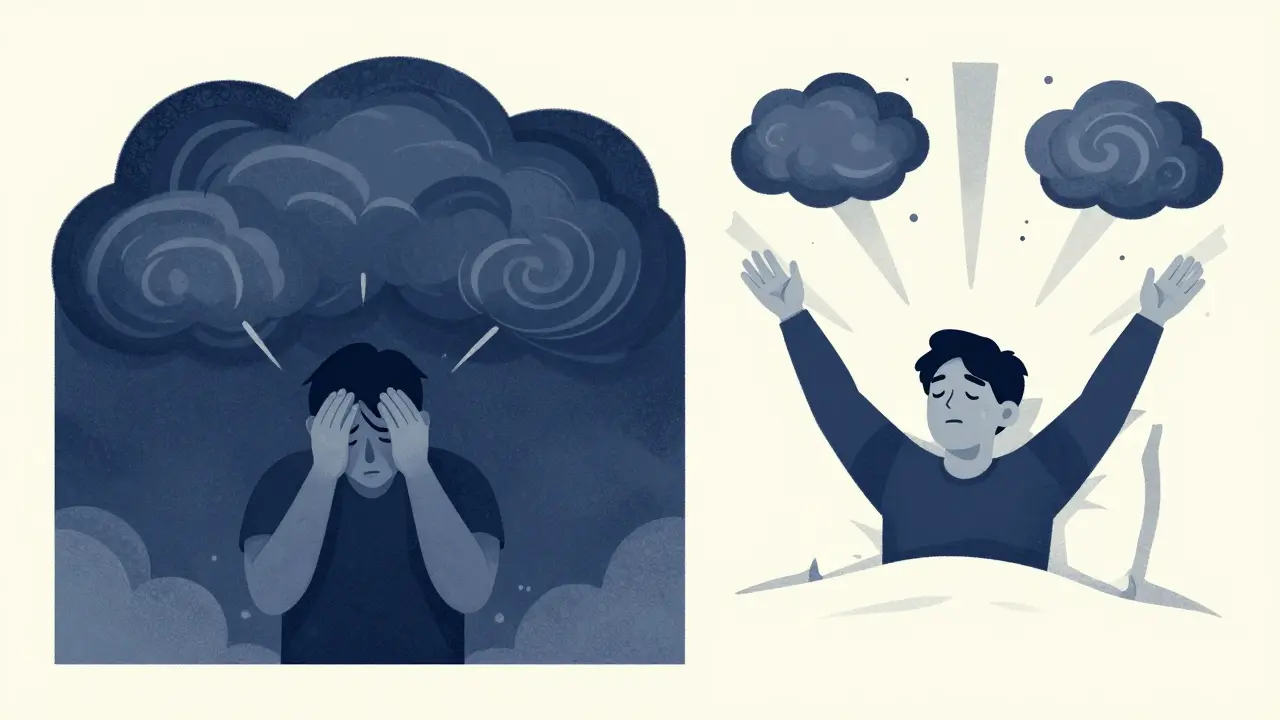
Living in this loop does more than just make you tired. It erodes your quality of life. People dealing with both insomnia and chronic pain report 35-45% higher pain intensity and 28% longer episodes of pain compared to those who can sleep well. But it's not just about the physical sensation. The mental strain is massive. We see 40% higher levels of anxiety and depression in this group. When you're exhausted, your emotional resilience vanishes. Small stressors feel like mountains, and the frustration of not being able to find a comfortable position in bed creates a secondary layer of psychological distress. It's a heavy burden that affects everything from your job performance to your relationships.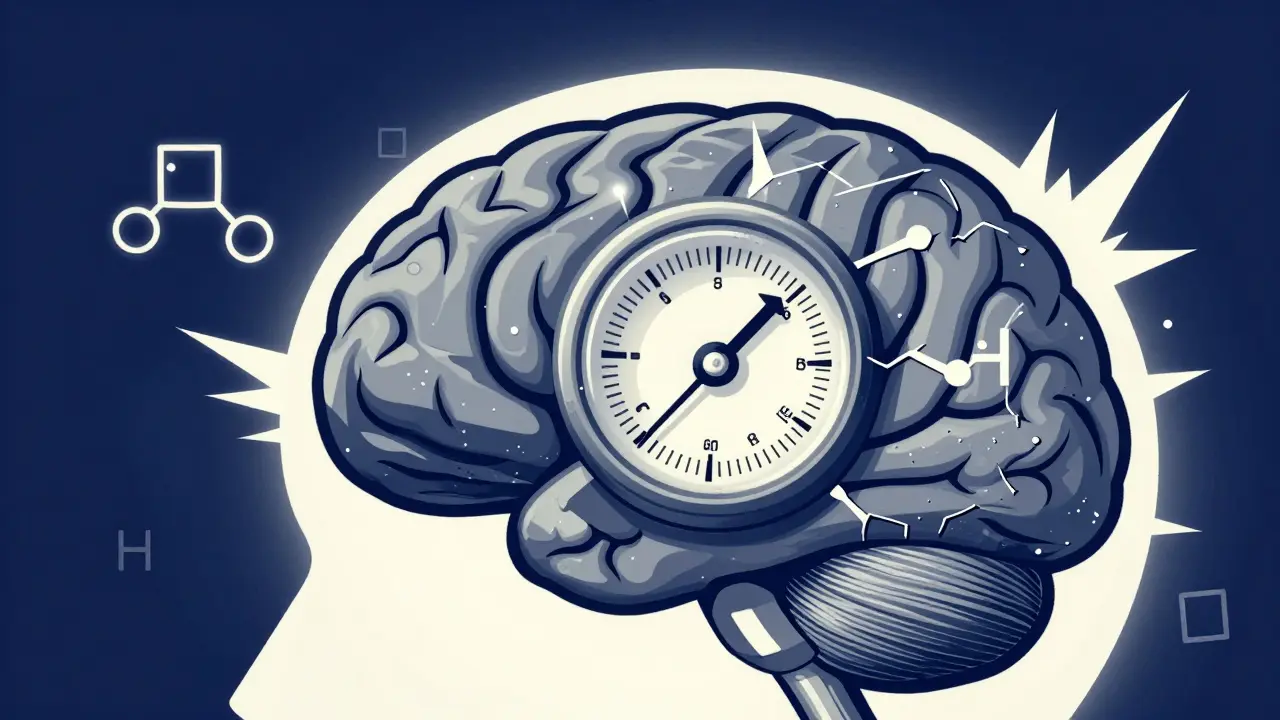
Breaking the Loop with CBT-I
If you're looking for a way out, the gold standard isn't a pill-it's a process. Cognitive Behavioral Therapy for Insomnia (also known as CBT-I) is a structured program that helps you change the thoughts and behaviors that keep you awake. Unlike sleeping pills, which often leave you groggy and can actually worsen pain perception the next day, CBT-I targets the root cause of the insomnia. CBT-I is remarkably effective for those in the pain cycle, with 65-75% of patients seeing a significant drop in insomnia symptoms. More importantly, it often leads to a 30-40% reduction in pain intensity. By improving sleep efficiency and reducing the time you spend awake in bed, you're effectively "resetting" that brain thermostat we talked about earlier. Typical CBT-I involves 8-10 weekly sessions focusing on:- Sleep Restriction: Limiting the time spent in bed to increase the drive to sleep.
- Stimulus Control: Training your brain that the bed is for sleep, not for worrying or tossing and turning.
- Cognitive Restructuring: Challenging the anxiety around "what if I can't sleep tonight?"
- Sleep Hygiene: Optimizing your environment (temperature, light, and noise).
Pharmacology and Future Frontiers
While behavioral therapy is the first line of defense, science is moving toward more targeted medical solutions. Researchers at the University of Arizona are currently studying kappa opioid receptors. These receptors seem to play a massive role in how pain and sleep interact. Early trials show that targeting these receptors can improve sleep quality by 40-60% in chronic pain models. We're also seeing a shift toward personalized medicine. Some researchers have identified specific gene variants that predict whether a person will respond better to behavioral therapy or specific medications. The goal is to move away from the "trial and error" method of pain management and instead use a genetic blueprint to find the right treatment the first time.Practical Steps to Start Your Recovery
Breaking a cycle that has lasted years won't happen overnight, but you can start moving the needle today. The first step is data. You can't fix what you can't measure. Start a sleep diary for 14 days, tracking exactly when you go to bed, how long it takes to fall asleep, and how many times you wake up. If you want to track your progress professionally, look for the Insomnia Severity Index (ISI). A score above 15 usually means you have clinically significant insomnia that requires a targeted intervention rather than just a few "tips" for better sleep. Avoid the temptation of over-the-counter sleep aids as a long-term fix. While they might knock you out, many users report next-day grogginess that actually makes them feel more sensitive to pain. Instead, focus on an integrated approach: work with a pain specialist and a sleep therapist simultaneously. When these two professionals coordinate, patients often see a 25-30% reduction in overall healthcare needs within six months.Can't I just take a sleeping pill to break the cycle?
While sedatives can help in the short term, they often fail to improve the actual architecture of your sleep. Many over-the-counter aids can cause "sleep inertia" or morning grogginess, which research suggests can actually increase your pain perception the following day. CBT-I is generally recommended over long-term medication because it fixes the underlying sleep drive.
How long does it take for sleep improvement to reduce my pain?
It varies, but many patients using an integrated approach notice a difference in pain intensity after 8-10 weeks of consistent sleep therapy. Because the relationship is bidirectional, as your sleep efficiency increases by 12-15%, your brain's ability to modulate pain improves, leading to a gradual decline in daily pain scores.
What is the best sleeping position for chronic pain?
There is no one-size-fits-all, but the goal is to maintain the natural curve of your spine. For back pain, side-sleeping with a pillow between the knees is often recommended. For neck pain, avoid high pillows that push your head forward. The key is to minimize pressure points that trigger those mid-night awakenings.
Is digital CBT-I as effective as seeing a therapist in person?
Digital platforms like Sleepio show about 60-65% efficacy in chronic pain patients. While slightly lower than face-to-face therapy, they are much more accessible. The main challenge is adherence; people with chronic pain are slightly more likely to drop out of digital programs than those without pain, so a hybrid approach or a supportive coach can help.
Why does lack of sleep make me feel "more" pain?
Sleep deprivation reduces the activity of your endogenous opioid system by 30-40% and increases pro-inflammatory markers like IL-6. Essentially, your body stops producing its own natural painkillers while simultaneously increasing the chemicals that cause inflammation and sensitivity.