
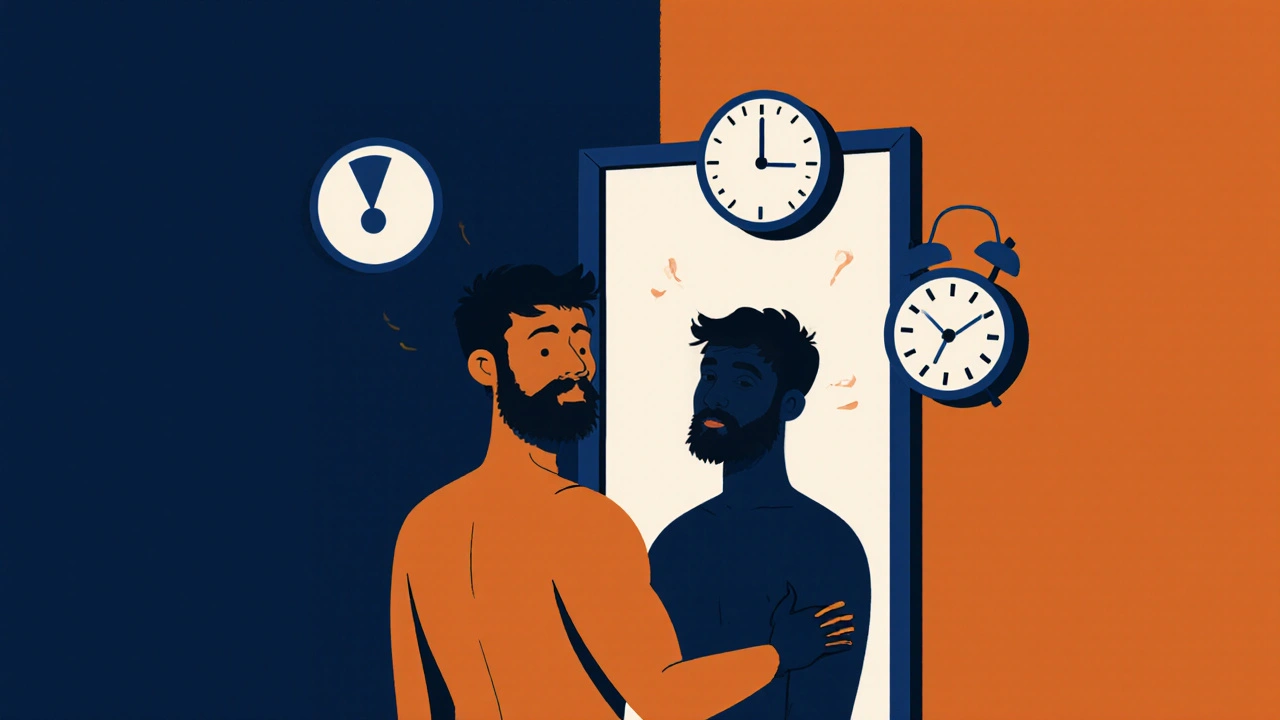
Male hypogonadism causes low testosterone, leading to fatigue, low libido, and muscle loss. Learn the real symptoms, how it's diagnosed, and the latest treatment options including gels, injections, and new oral therapies.
Testosterone Replacement Therapy: What It Is, Who It Helps, and What You Need to Know
When your body doesn’t make enough testosterone, a key male hormone that drives muscle mass, bone density, energy, and libido. Also known as T therapy, it’s not just about sex drive—it’s about feeling like yourself again. Low testosterone isn’t just aging. It can show up as constant fatigue, trouble building muscle, mood swings, or even trouble sleeping. Many men ignore these signs, thinking it’s just stress or getting older. But when levels drop below normal, your body starts to pay the price.
Testosterone replacement therapy, a medically supervised treatment to restore hormone levels to a healthy range isn’t a quick fix or a bodybuilding shortcut. It’s a long-term plan for men with clinically low levels, confirmed by blood tests. The goal? To bring symptoms under control and improve quality of life. You might notice better sleep, more focus, stronger bones, or improved mood within weeks. But it’s not magic—it requires regular monitoring, lifestyle changes, and honest conversations with your doctor.
It’s not for everyone. Men with prostate cancer, untreated sleep apnea, or severe heart disease are usually advised against it. And while some clinics push TRT like a miracle cure, the science is clearer: it works best when used correctly, under supervision. Side effects like acne, fluid retention, or reduced sperm count can happen, but they’re manageable with the right care. The biggest risk? Not getting tested at all. Many men live with low testosterone for years, thinking it’s normal—until their energy, confidence, or health takes a bigger hit.
What you’ll find here are real-world insights from men who’ve been through it. We cover how TRT compares to natural fixes, what blood tests actually mean, why some men gain weight after stopping, and how it interacts with other meds. You’ll see how it connects to heart health, mental clarity, and even long-term fertility. No fluff. No hype. Just what works, what doesn’t, and what you need to ask before starting.