
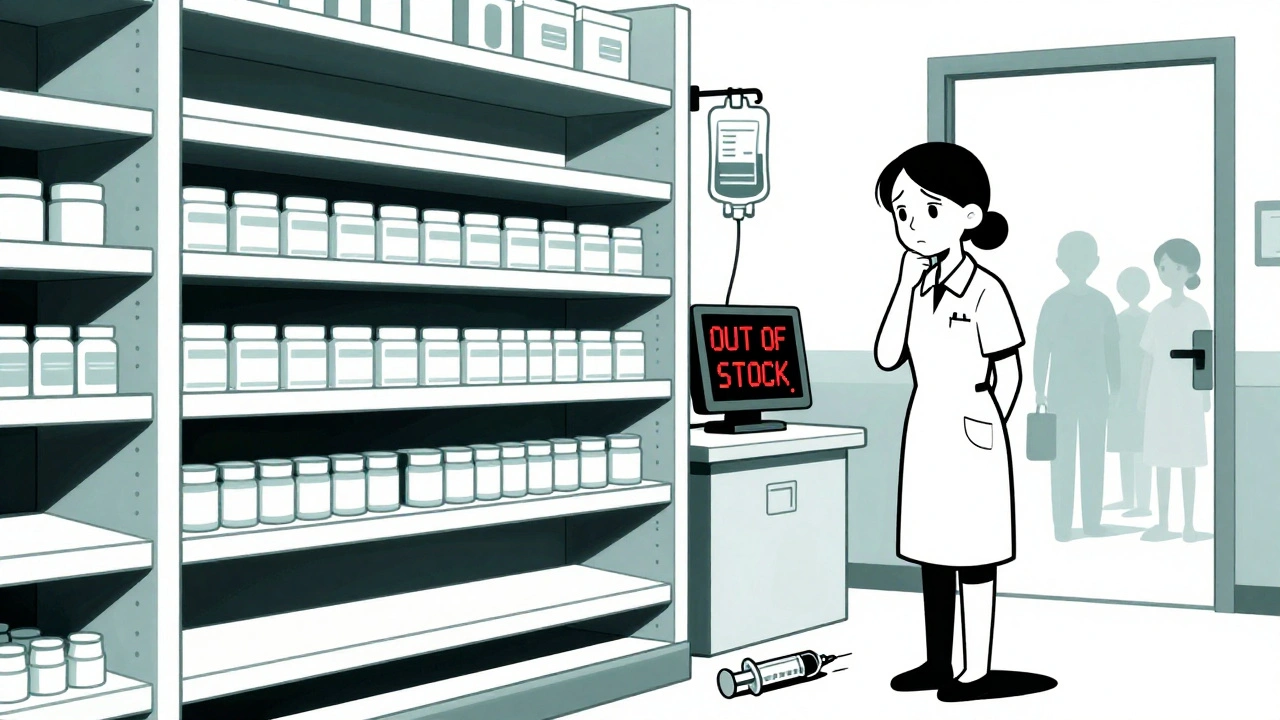
Pricing pressure and medical supply shortages are driving up healthcare costs and limiting access, especially for chronic illness patients. Global supply chain gaps, labor shortages, and price controls are worsening the crisis.
Supply Chain Disruptions in Pharmaceuticals: What It Means for Your Medications
When supply chain disruptions, interruptions in the flow of medicines from manufacturers to pharmacies. Also known as pharmaceutical supply chain issues, it directly impacts whether you can get your heart pills, antibiotics, or insulin on time. These aren’t just backroom problems—they’re the reason your pharmacist says, "We’re out of this generic," or "It’ll take weeks."
It starts with raw materials. Many active ingredients for generic drugs come from just a few countries, like India and China. If a factory there shuts down for inspections, floods hit transport routes, or new export rules kick in, the whole chain slows down. That’s why the pharmaceutical supply chain, the network of manufacturers, distributors, and regulators that get drugs to patients is so fragile. Even a small delay in one step—like packaging or shipping—can ripple across the country. The generic drug shortages, times when common, low-cost versions of medications aren’t available you rely on aren’t random. They’re tied to production bottlenecks, regulatory delays, or single-source suppliers that can’t scale up fast enough.
And it’s not just about running out. When a drug is in short supply, pharmacies often switch to another version—even if it’s slightly different. That’s why hospitals are now tracking not just price, but drug manufacturing, how and where medicines are made, including quality controls and facility compliance reliability. A cheaper generic might be tempting, but if the factory has a history of FDA warnings, that savings could cost you in side effects or treatment failure. The FDA’s unannounced inspections and cleanroom standards exist for a reason: to catch problems before they reach you.
What does this mean for you? If you take a daily pill for blood pressure, cholesterol, or thyroid, you’ve probably noticed changes—different pill shape, new brand name, or a wait time. These aren’t random. They’re symptoms of a system under pressure. The same disruptions that delay your meds also push prices up, force doctors to prescribe alternatives, and increase the risk of errors when pharmacists scramble to fill prescriptions with unfamiliar options.
Below, you’ll find real-world examples of how these disruptions show up—from the polypill you take for heart health to the cleanroom standards that keep your generics safe, to how hospitals choose which generic to stock when supply gets shaky. These aren’t theoretical issues. They’re the reason your medication changed last month. And knowing how it works helps you ask the right questions—and stay in control of your health.