
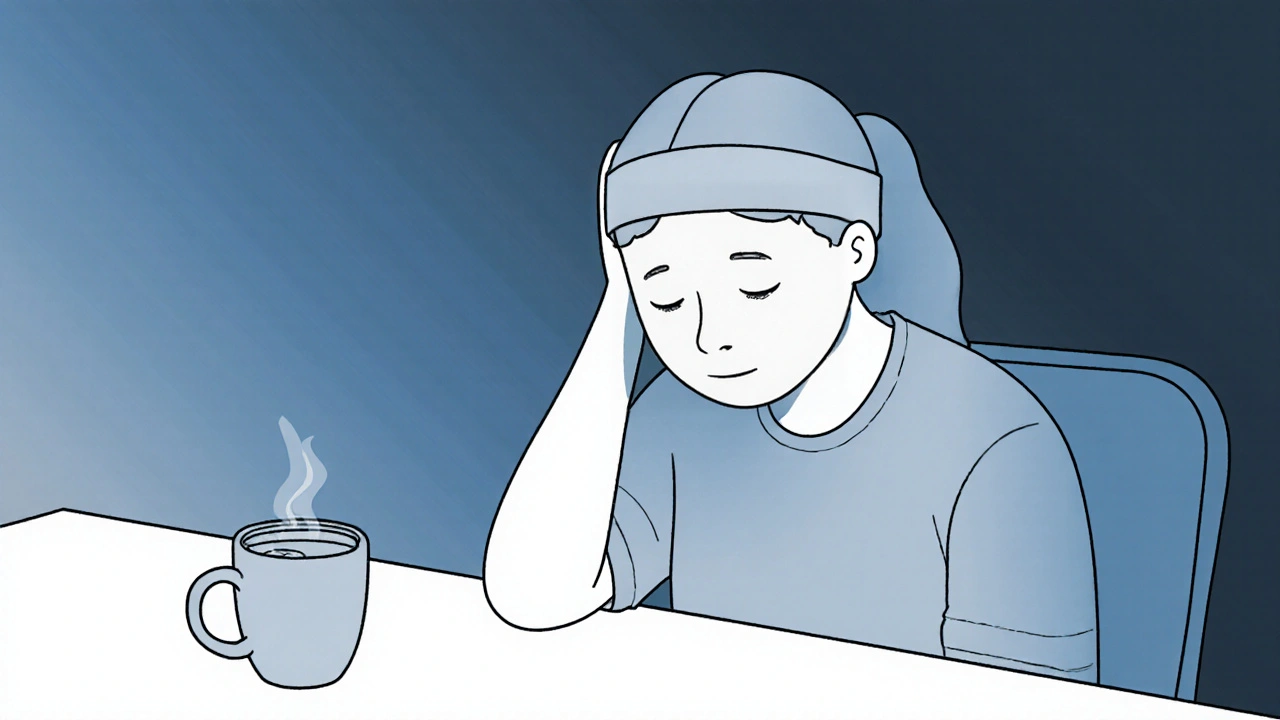
Tension, migraine, and cluster headaches are three distinct conditions with different causes, symptoms, and treatments. Learn how to tell them apart and what to do next.
Migraine: Causes, Triggers, and What Really Works
When you have a migraine, a severe, often disabling headache that can last hours or days, usually with nausea, light sensitivity, and sometimes visual disturbances. Also known as neurovascular headache, it’s not just a bad headache—it’s a neurological event that can shut down your day. Millions live with this, yet many still think it’s just stress or tiredness. It’s not. Migraines involve changes in brain chemistry, nerve pathways, and blood flow, often triggered by things you can’t even see—like weather shifts, hormonal swings, or even certain foods you’ve eaten days ago.
What makes migraines tricky is how personal they are. One person’s trigger is another’s non-issue. For some, it’s red wine. For others, it’s sleep loss, bright screens, or even a change in barometric pressure. You can’t fix it by popping an aspirin and hoping for the best. That’s why so many end up cycling through meds that don’t work, only to feel worse from side effects. The real answer isn’t one drug—it’s understanding your own pattern. And that’s where tracking, recognizing early signs (like aura or neck stiffness), and knowing which treatments are backed by science matter more than anything.
There’s also a big gap between what doctors say and what actually helps. Many still treat migraines like regular headaches, pushing over-the-counter painkillers even when they’re ineffective or dangerous long-term. But newer options exist—like CGRP inhibitors, neuromodulation devices, and even targeted supplements that reduce attack frequency. And if you’re on daily meds, you need to know about medication-overuse headaches, a sneaky trap that turns your treatment into the problem.
This collection doesn’t just list drugs. It shows you how decisions made in pharmacies, hospitals, and labs affect what ends up in your medicine cabinet. You’ll find posts on how generic versions of migraine meds can behave differently than brand names, why some drugs interact dangerously with common supplements, and how reporting side effects helps shape safer treatments for everyone. You’ll see how biologics are changing the game, how drug approval processes impact your access, and why what works for one person might not be safe for another.
Whether you’re trying to cut down on attacks, avoid emergency visits, or just understand why your doctor recommended a certain test, this isn’t guesswork. It’s real-world insight from the people who manage these conditions every day—patients and providers alike. What follows are clear, no-fluff guides on what actually works, what doesn’t, and why the system sometimes fails you. You don’t need to suffer in silence. You just need the right information.