
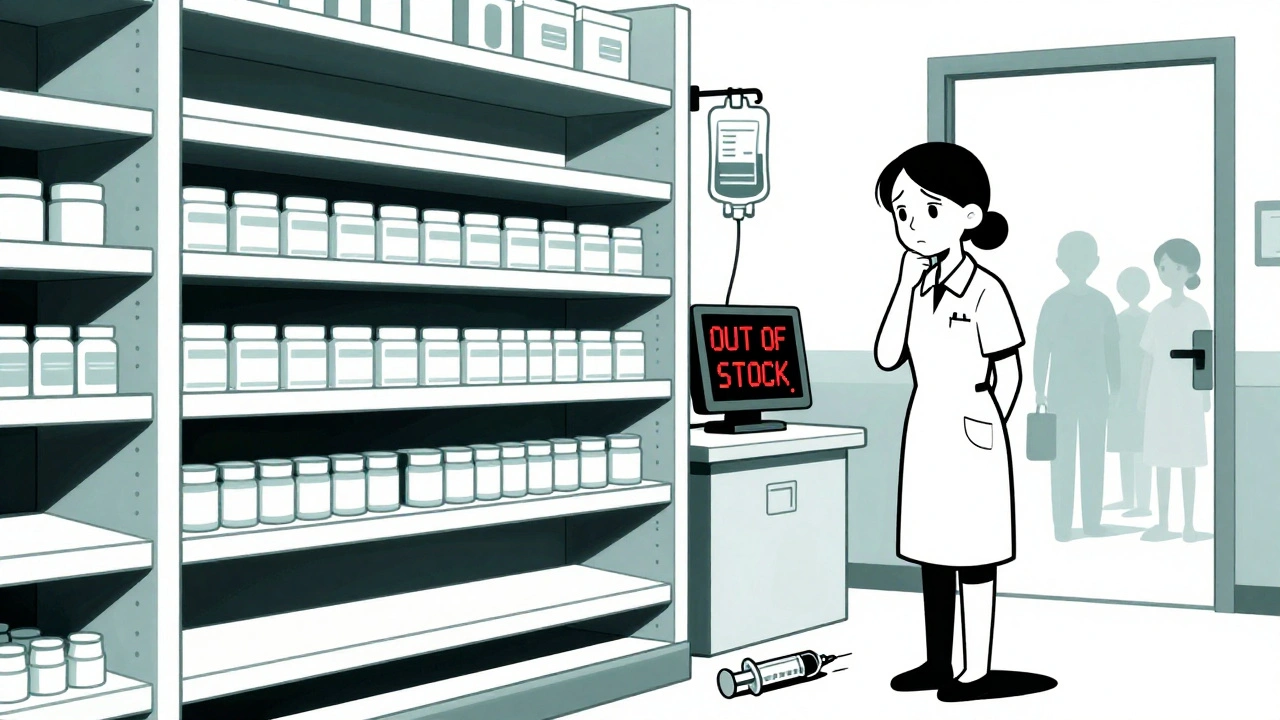
Pricing pressure and medical supply shortages are driving up healthcare costs and limiting access, especially for chronic illness patients. Global supply chain gaps, labor shortages, and price controls are worsening the crisis.
Healthcare Inflation: Why Medicines Cost More and What You Can Do
When you hear healthcare inflation, the rising cost of medical services and drugs over time, often outpacing general inflation. Also known as medical inflation, it’s not just about hospital bills—it’s about the pill you take every day becoming unaffordable. Over the last decade, prescription drug prices in the U.S. rose nearly 3 times faster than overall inflation. Even generics, which are supposed to be cheaper, aren’t immune. Why? Because manufacturing costs, supply chain disruptions, and regulatory hurdles all add up—and those costs get passed to you.
One big reason? generic drugs, lower-cost versions of brand-name medications that must meet the same safety and effectiveness standards. Also known as off-patent drugs, they’re the backbone of affordable care. But when a single manufacturer controls a generic drug’s supply—like with older heart meds or antibiotics—they can raise prices with little competition. The FDA doesn’t control pricing, only quality. That’s why you might see the same generic pill jump from $5 to $50 in a year, even though the ingredients haven’t changed. And when a drug is made in just one facility overseas, a single factory shutdown can trigger shortages and price spikes.
pharmaceutical costs, the total price of developing, manufacturing, and distributing medications. Also known as drug spending, it’s shaped by more than just R&D. Hospitals, insurers, and pharmacies all take cuts. Sometimes, a drug’s price goes up because a hospital formulary switches to a slightly more expensive generic that pays a bigger rebate—not because it works better. Meanwhile, medication affordability, how easily patients can pay for their prescriptions without skipping doses or going into debt. Also known as drug access, it’s not just about income. It’s about whether your pharmacy has stock, if your insurance covers it, and if you can find a cheaper alternative before your next paycheck.
It’s not all bad news. Australia’s PBS system shows how government negotiation can keep prices low. Community pharmacies using patient counseling cut errors and wasted meds. And when hospitals choose generics based on reliability—not just price—they save millions. The posts below dive into how these systems work, who wins and loses, and what you can do to protect yourself. From how cleanroom standards affect drug quality to why biosimilars aren’t just cheaper generics, you’ll find real answers—not theory.