
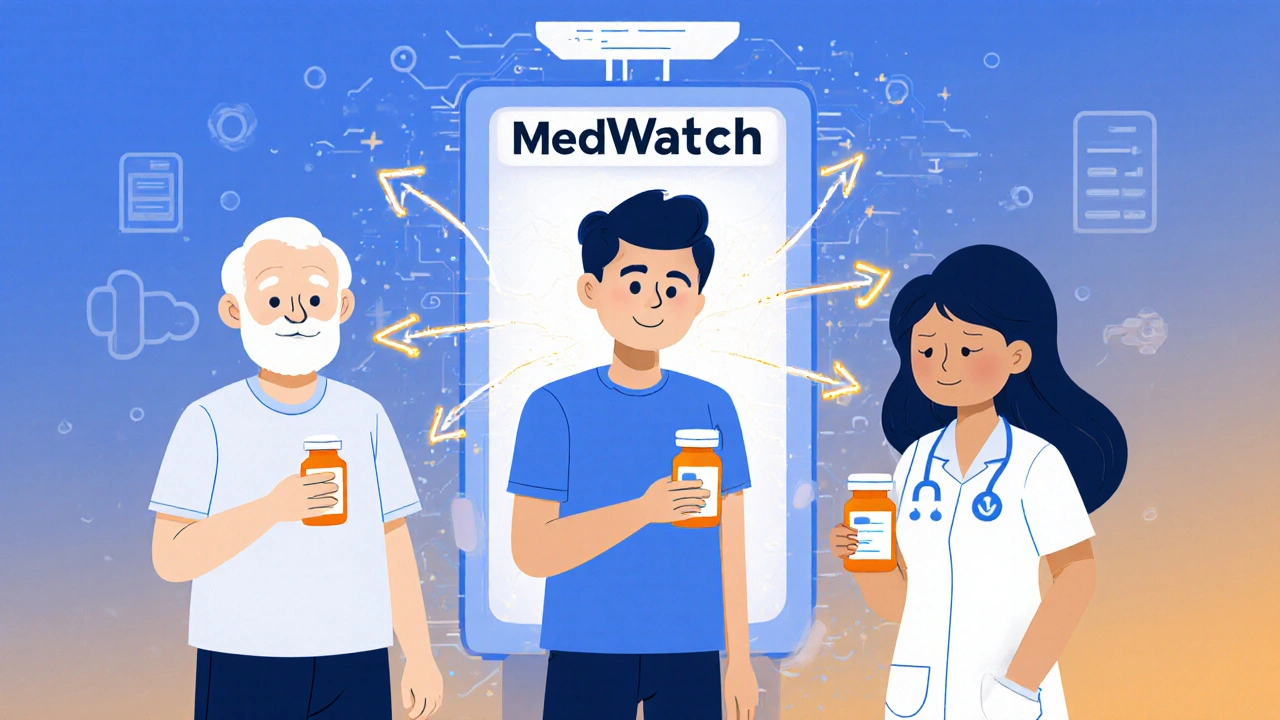
Learn how to report a suspected adverse drug reaction to the FDA using MedWatch. Step-by-step guide for patients, families, and healthcare providers on what to report, how to submit, and why it matters for drug safety.
FDA Reporting: What You Need to Know About Drug Safety and Regulatory Alerts
When a medicine causes unexpected harm, FDA reporting, the system used by the U.S. Food and Drug Administration to collect and analyze safety data on drugs and medical products. Also known as MedWatch, it is the backbone of post-market drug safety in the United States. This isn’t just paperwork—it’s how hidden dangers get caught. A patient’s nausea, a doctor’s concern about a rash, or a manufacturer’s internal finding can trigger a safety review that changes how a drug is used—or taken off the market.
FDA reporting doesn’t just involve patients. Doctors, pharmacists, and drug makers are all required to report serious side effects, especially those that lead to hospitalization, disability, or death. These reports feed into a massive database that helps regulators spot patterns. For example, reports of rare heart rhythm issues with certain antibiotics led to new warnings and ECG guidelines. The same system flagged dangerous interactions between gabapentinoids and opioids, leading to updated prescribing rules. Without this flow of real-world data, many risks would stay hidden until too many people were hurt.
Not every side effect gets reported, and that’s a problem. Many people don’t know they can report a reaction themselves. Others assume their doctor will do it. But if you’ve had a bad reaction to a medication—even if you’re not sure it’s the drug’s fault—your report matters. The FDA doesn’t just rely on professionals. Your voice counts. And when enough people report the same issue, it forces action. That’s how warnings get added to labels, how black box warnings appear, and how some drugs get restricted.
Manufacturers also have strict rules under FDA reporting. If they change how a drug is made, even slightly, they must notify the FDA. That’s why posts about manufacturing changes, biosimilars, and generic drug approvals are all connected to this system. A small shift in production can affect how a drug works in your body. The FDA tracks these changes because quality isn’t just about ingredients—it’s about consistency. If a generic version starts causing more side effects, it’s often because the manufacturing process changed—and someone reported it.
What you’ll find in the posts below are real cases where FDA reporting made a difference. From heart risks with antibiotics to hidden dangers in painkillers, from how hospitals choose generics to why biologics can’t be copied like regular pills—each post ties back to how safety data is collected, analyzed, and acted on. You’ll see how patient reports, doctor alerts, and corporate disclosures all feed into the same system. This isn’t theory. It’s how medicine stays safer than it used to be.