
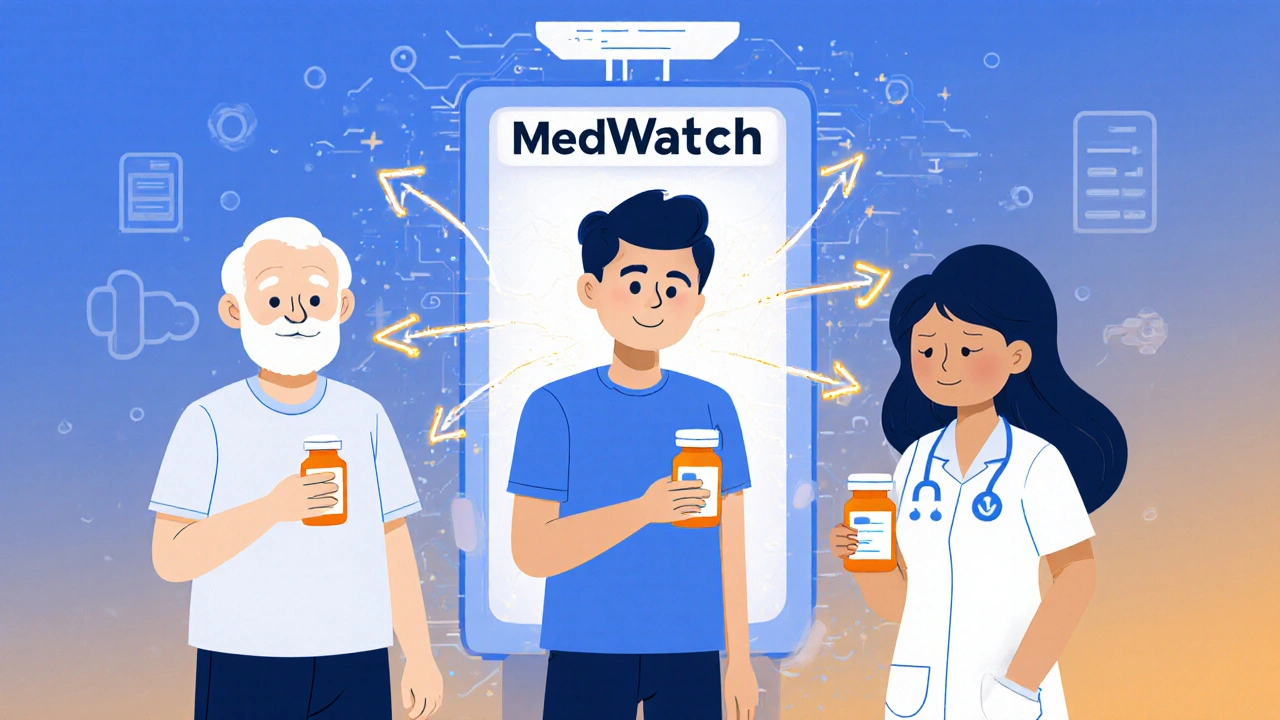
Learn how to report a suspected adverse drug reaction to the FDA using MedWatch. Step-by-step guide for patients, families, and healthcare providers on what to report, how to submit, and why it matters for drug safety.
FAERS: What It Is, How It Works, and Why It Matters for Drug Safety
When you take a new medication, you trust it will help—not hurt. But sometimes, drugs cause unexpected side effects. That’s where FAERS, the FDA’s Adverse Event Reporting System, a public database that collects reports of harmful reactions to medicines and vaccines. Also known as FDA Adverse Event Reporting System, it’s the backbone of drug safety monitoring in the U.S. Every year, doctors, pharmacists, patients, and drug makers submit tens of thousands of reports to FAERS. These aren’t just complaints—they’re data points that help the FDA spot patterns, issue warnings, and even pull dangerous drugs off the market.
FAERS doesn’t prove a drug causes a side effect. It shows a possible link. For example, if 500 people report severe liver damage after taking the same new painkiller, that’s a red flag. The system flagged the link between gabapentinoids and respiratory depression when combined with opioids, even though no single report proved it. That’s how pharmacovigilance, the science of detecting, assessing, understanding, and preventing adverse effects of medicines works in real time. It’s not about perfect data—it’s about spotting what’s unusual. And it’s not just for new drugs. FAERS has tracked problems with old standbys like macrolide antibiotics, a class of drugs including azithromycin and clarithromycin that can trigger dangerous heart rhythm changes, long after they were approved.
What you won’t see in FAERS is the full picture. Many side effects go unreported. Patients don’t always connect their symptoms to a drug. Doctors don’t always file reports. But when enough people report the same issue—like nausea from a new antidepressant or muscle pain from a cholesterol pill—it adds up. The reports you see in posts about generic drug liability, QT prolongation, and drug interactions all trace back to FAERS data. This isn’t theoretical. It’s how the FDA learned that certain weight-loss drugs caused heart valve damage, or that a popular ADHD medication could slow kids’ growth. FAERS turns patient experiences into action.
What’s below is a collection of articles that dig into real cases, real risks, and real decisions shaped by FAERS. You’ll find deep dives into how drugs like Evista, Uroxatral, and Xenical were studied after they hit the market. You’ll see how biosimilars, generics, and new biologics are monitored for hidden dangers. These aren’t just drug guides—they’re safety stories, pulled from the same system that keeps millions of patients safer every day. If you’re taking any prescription, supplement, or over-the-counter drug, you’re part of this system. Understanding FAERS means understanding your own protection.