
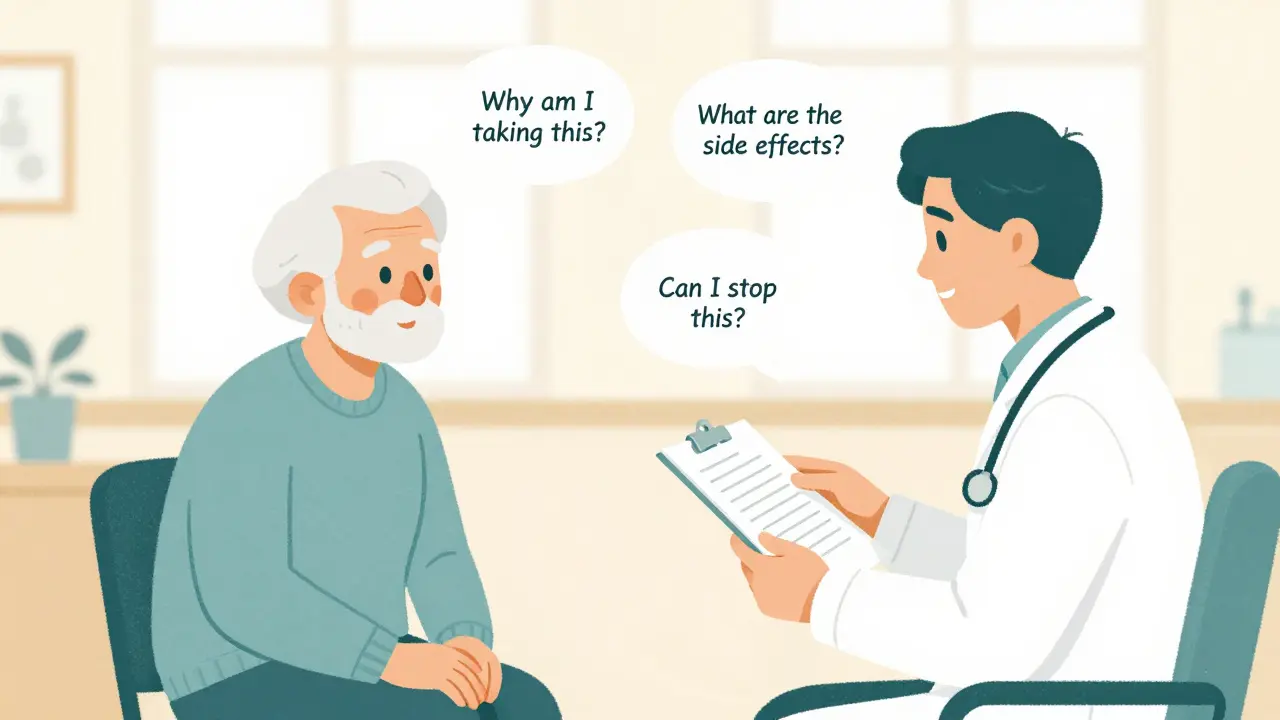
Learn the essential questions to ask your doctor about medication side effects to avoid dangerous reactions, manage symptoms, and ensure your prescriptions are still right for you.
Drug Safety: What You Need to Know About Risks, Interactions, and Protection
When we talk about drug safety, the practice of using medications in a way that minimizes harm and prevents serious side effects. Also known as medication safety, it’s not just about following the label—it’s about knowing what else is in your system, who prescribed it, and whether your body can handle it. Too many people think drug safety means avoiding overdoses or street drugs. But the real risks are often hiding in plain sight: a common painkiller mixed with your blood pressure pill, an antibiotic that throws off your heart rhythm, or a sleep aid that slows your breathing when combined with opioids.
Drug interactions, when two or more medications affect each other’s behavior in the body. Also known as medication interactions, they’re one of the leading causes of preventable hospital visits. Take gabapentinoids and opioids together—even at prescribed doses—and you risk life-threatening respiratory depression. Or consider macrolide antibiotics like azithromycin: they can trigger dangerous heart rhythm changes, especially in older adults or those already on other heart meds. These aren’t rare cases. Studies show over 1.3 million ER visits each year in the U.S. alone are tied to drug interactions.
Pharmaceutical compliance, the system of rules manufacturers and prescribers must follow to ensure drugs are safe from production to patient. Also known as GMP compliance, it’s what keeps your generic pill from being contaminated, mislabeled, or ineffective. Cleanroom standards, change control procedures, and FDA approval requirements aren’t red tape—they’re your shield. When a manufacturer changes a process without proper notification, it can mean a batch of pills that doesn’t dissolve right, or a hormone therapy that doesn’t work as expected. That’s why compliance isn’t optional—it’s the foundation of every safe dose you take.
And then there’s drug disposal, how you safely get rid of unused or expired medications to protect your privacy and the environment. Also known as medication disposal, it’s often ignored until it’s too late. Throwing pills in the trash? That’s a recipe for identity theft—prescription bottles still have your name, doctor, and dosage. Flushing them? That pollutes water supplies. Proper disposal isn’t just smart—it’s a legal and ethical duty. Take-back programs, removing labels, and using approved disposal kits aren’t optional habits—they’re part of drug safety too.
Drug safety isn’t a one-time checklist. It’s a habit. It’s asking your pharmacist if your new medicine plays well with your old ones. It’s checking your child’s growth if they’re on ADHD meds. It’s knowing why a biosimilar isn’t just a cheaper copy of a biologic. It’s understanding that a generic drug isn’t always interchangeable without risk—and that your doctor needs to document why they chose one over another.
Below, you’ll find real-world guides on exactly these issues: how opioids and gabapentin can quietly stop your breathing, how to protect your identity when tossing old prescriptions, why certain antibiotics can mess with your heart, and how cleanroom rules keep your pills from being dangerous. These aren’t theoretical warnings. They’re lessons from people who’ve been there—and the data that proves what actually works.
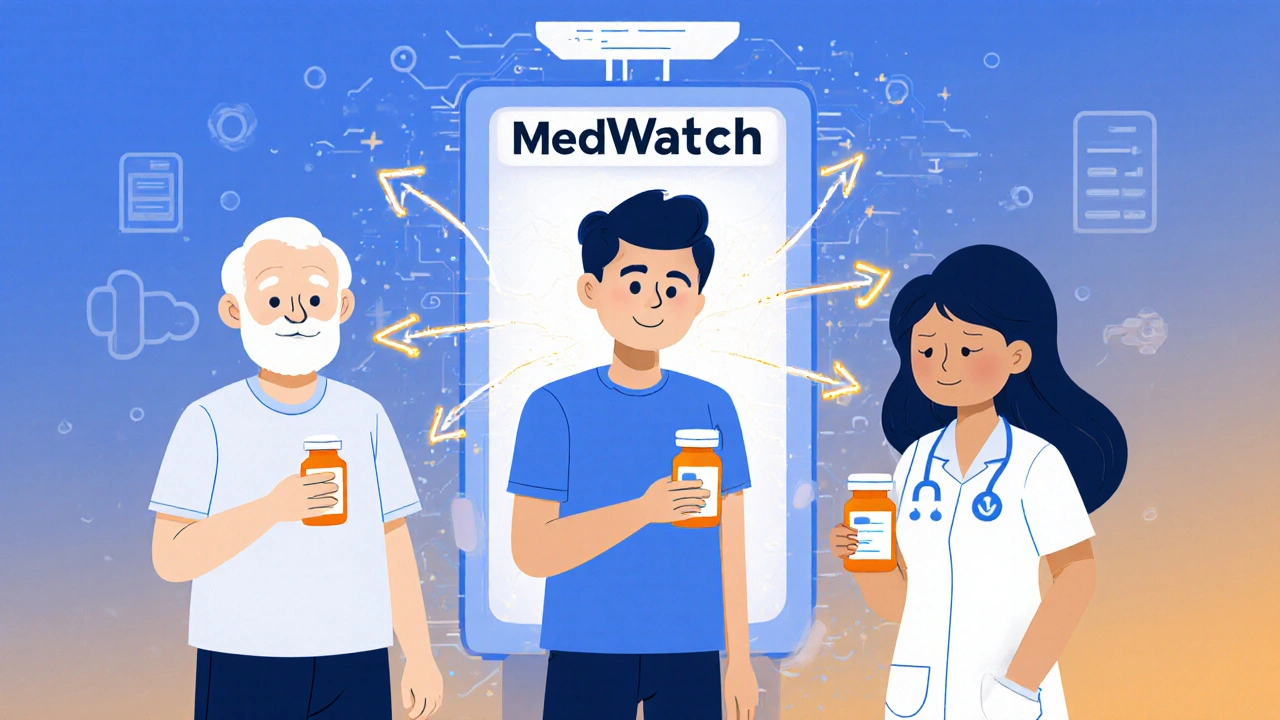
Learn how to report a suspected adverse drug reaction to the FDA using MedWatch. Step-by-step guide for patients, families, and healthcare providers on what to report, how to submit, and why it matters for drug safety.