
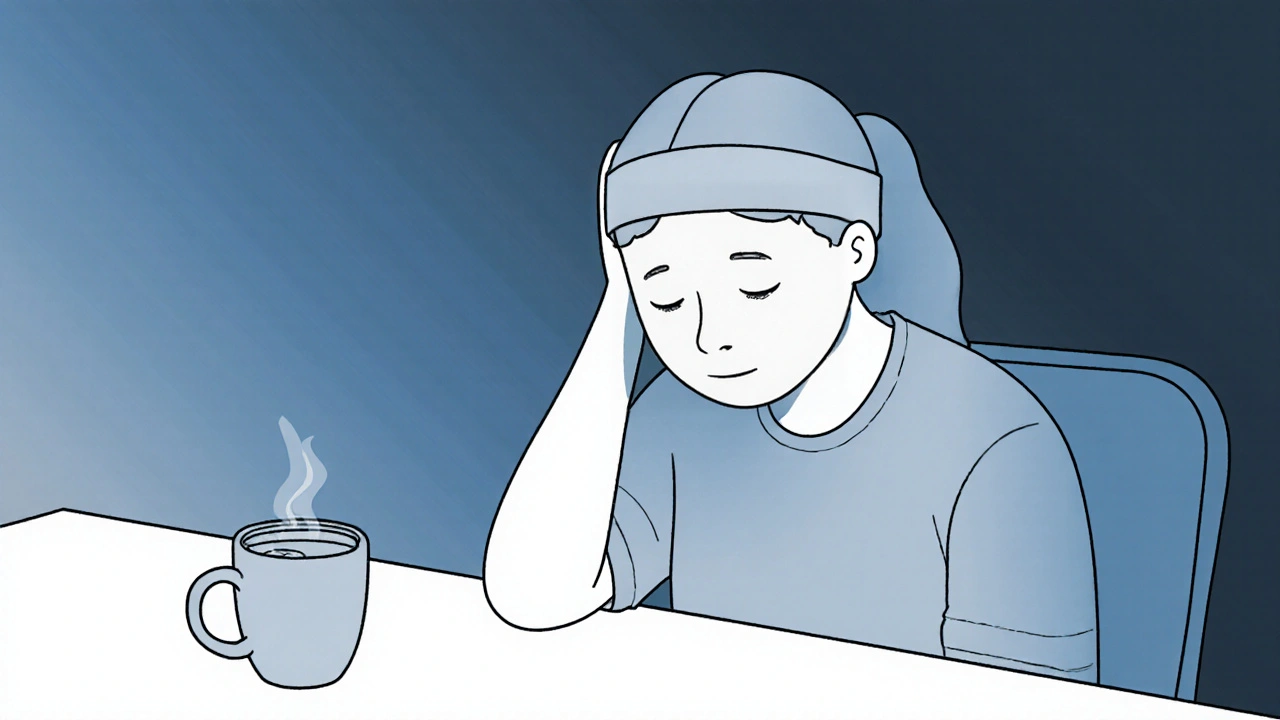
Tension, migraine, and cluster headaches are three distinct conditions with different causes, symptoms, and treatments. Learn how to tell them apart and what to do next.
Cluster Headache: Causes, Triggers, and What You Can Do
When you hear the word cluster headache, a severe, recurring type of headache that strikes in cycles, often around one eye, with intense pain that can wake you from sleep. It's not just a bad headache—it’s one of the most painful conditions known to medicine, often described as a hot poker driven into the eye or behind it. Unlike migraines, which tend to throb and come with nausea or light sensitivity, cluster headaches hit fast, burn hard, and vanish just as quickly—usually within 15 to 180 minutes. They don’t linger; they ambush.
These attacks follow a pattern. Many people get them at the same time every day—often between 1 and 3 a.m.—and they can come in waves, sometimes daily for weeks or months, then disappear for months or years. This cycle is called a cluster period. During this time, the trigeminal nerve, the main facial nerve responsible for sensation in the face and motor functions like biting and chewing becomes overactive, triggering pain signals that feel like they’re exploding behind the eye. The hypothalamus, a small brain region that controls circadian rhythms, body temperature, and hormone release is also involved. That’s why these headaches often strike at the same time each day or season, like clockwork.
Alcohol, strong smells, and even hot weather can set off an attack during a cluster period. Smoking and male gender are risk factors—men are three to four times more likely to get them than women. But here’s the thing: cluster headache isn’t caused by stress or poor sleep. It’s a neurological disorder, not a lifestyle issue. That’s why painkillers like ibuprofen or even opioids usually don’t help. You need targeted treatments.
The most effective immediate relief is high-flow oxygen—breathing pure oxygen through a mask for 15 minutes. It works faster than most drugs and has no side effects. Other options include triptans like sumatriptan injections, which can stop an attack in minutes. For prevention, doctors may prescribe verapamil, lithium, or topiramate. Newer treatments like nerve stimulators implanted behind the ear are showing promise for chronic cases.
People with cluster headaches often feel isolated because others don’t understand the severity. There’s no visible sign, no scan that proves it’s real—yet the pain is real, and it’s debilitating. That’s why knowing what you’re dealing with matters. It’s not just about managing pain; it’s about getting the right care before the next attack hits.
Below, you’ll find real, practical advice from people who’ve been there—how to track your attacks, what meds actually work, how to talk to your doctor, and what to avoid. No fluff. Just what helps.