
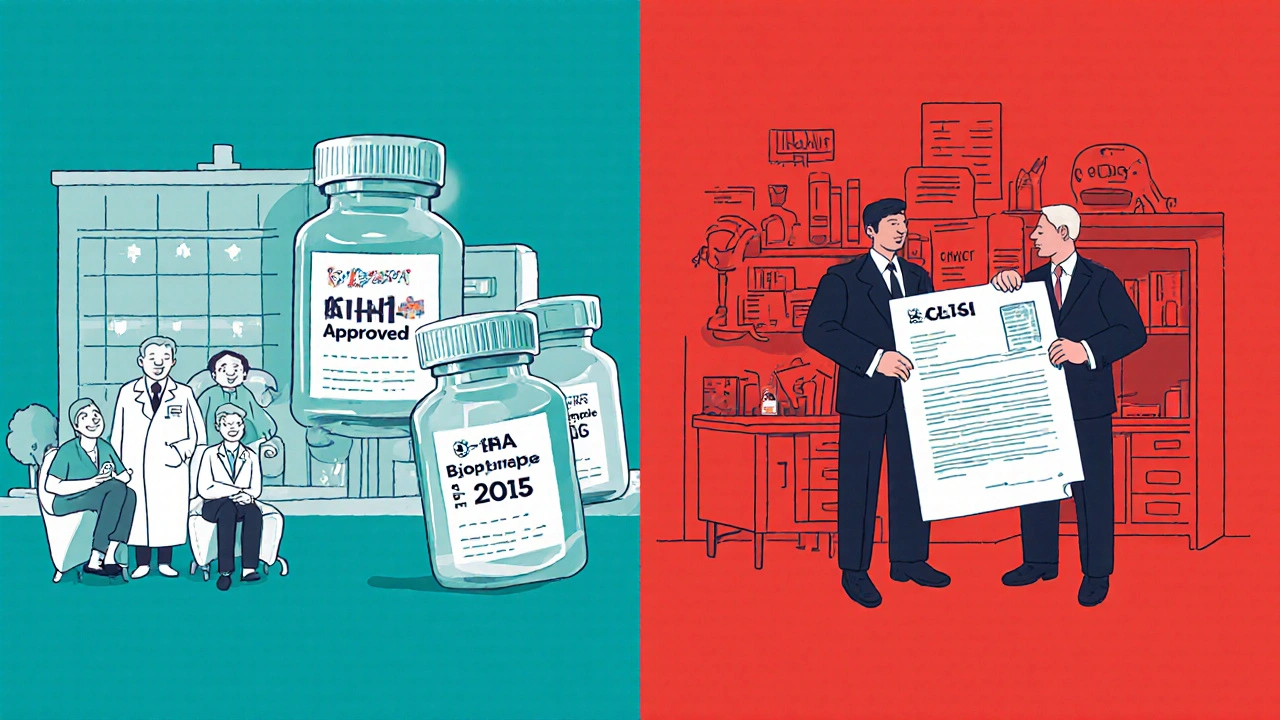
Europe led the global biosimilar market for nearly two decades, but the U.S. is now accelerating rapidly after regulatory changes in 2024. Learn how differences in approval, pricing, and adoption shape access and cost savings today.
Biosimilar Adoption: Why These Lower-Cost Drugs Are Changing Healthcare
When you hear biosimilar adoption, the process of doctors and pharmacies switching patients from expensive brand-name biologic drugs to cheaper, FDA-approved copies. Also known as generic biologics, it’s not just about saving money—it’s about making treatments for cancer, rheumatoid arthritis, and diabetes accessible to more people. Unlike regular generics, which copy small-molecule drugs, biosimilars are complex proteins made from living cells. They’re not exact copies, but they work the same way, with no meaningful difference in safety or effectiveness. The FDA requires rigorous testing before approving them, and real-world data from Europe and the U.S. shows they deliver the same results as the originals.
Why isn’t everyone using them yet? biologic medications, high-cost treatments like Humira, Enbrel, and Remicade that target immune system proteins still dominate because of patent tricks, insurance barriers, and doctor habits. Many prescribers stick with the brand name out of familiarity—even though studies, like those from the Mayo Clinic and Kaiser Permanente, show patients on biosimilars have the same outcomes. Meanwhile, drug cost savings, the billions of dollars saved when biosimilars replace branded biologics are real. One biosimilar for rheumatoid arthritis cut costs by 30% in just two years. Hospitals and insurers are pushing for them, but patients often don’t know they have a cheaper option unless their doctor brings it up.
What’s changing? More biosimilars are hitting the market. The first one for insulin just got approved. Insurance companies are starting to require them before covering the brand. And patients are asking—"Is there a cheaper version?"—because they’ve seen the price tags. The gap between what a biologic costs and what a biosimilar costs is huge: $20,000 a year versus $6,000. That’s not a small difference for someone paying out of pocket or struggling with high deductibles.
Here’s what you’ll find in the posts below: real stories about switching from brand-name drugs to biosimilars, how doctors handle patient concerns, the legal risks around prescribing generics (like the Mensing-Bartlett preemption cases), and how pricing battles over drugs like lenalidomide and Plavix mirror the same fights happening with biologics. You’ll see how patients manage side effects, how pharmacies handle substitutions, and why some treatments still cost more than they should—even when cheaper, equally effective options exist. This isn’t theoretical. It’s happening right now, in clinics and pharmacies across the country.