
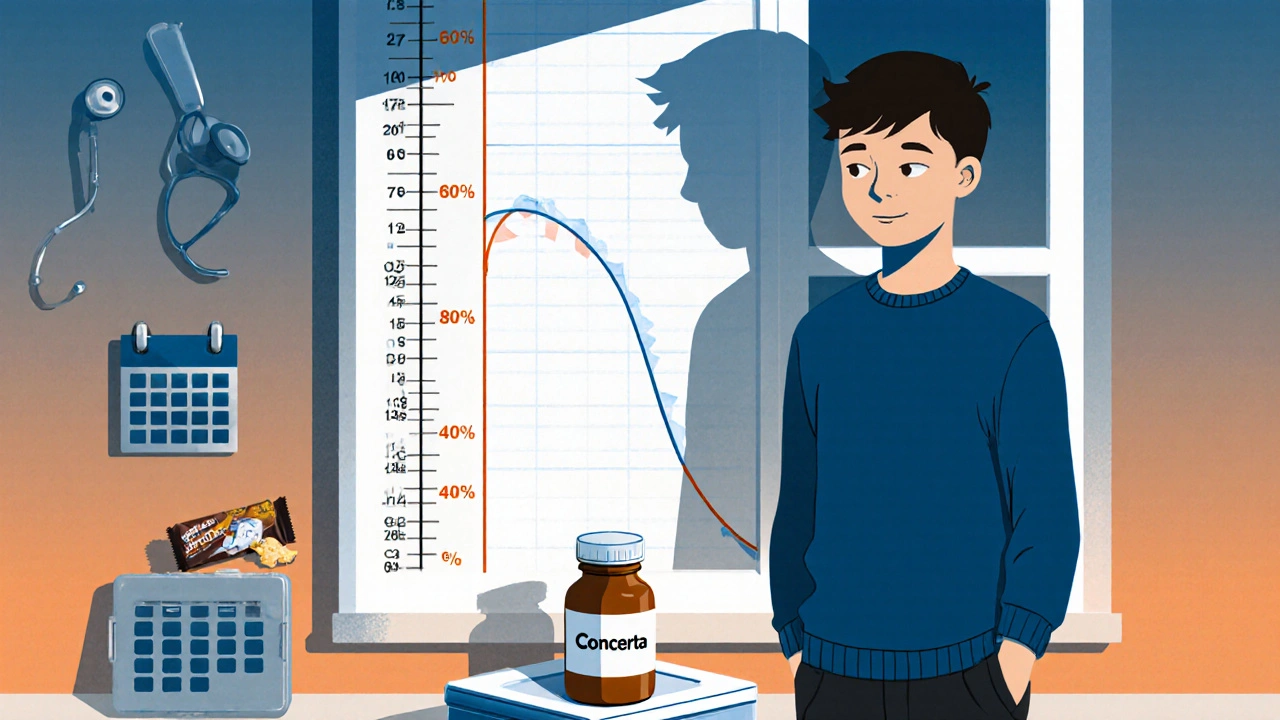
ADHD medications help teens focus but can suppress appetite and slow growth. Learn how to monitor height, weight, and nutrition to protect long-term development while managing symptoms effectively.
Appetite Loss ADHD: Causes, Medications, and What to Do
When someone takes ADHD medications, prescription drugs like methylphenidate or amphetamines used to improve focus and reduce impulsivity. Also known as stimulants, they work by increasing dopamine and norepinephrine in the brain. But for many, especially children, one of the most noticeable side effects is appetite loss, a sudden or persistent drop in hunger that can lead to skipped meals and weight loss.
This isn’t just about not feeling hungry. For kids growing up with ADHD, appetite loss can mean falling behind on growth charts. For adults, it might mean losing muscle, feeling tired all the time, or struggling to keep energy up through the day. The problem isn’t always the drug itself—it’s how the brain responds. Stimulants activate the part of the brain that tells you you’re full, even when you haven’t eaten. It’s like your body’s hunger signal got turned down, not broken.
Some people think this side effect goes away after a few weeks. Sometimes it does. But for others, it sticks around. That’s why it’s not enough to just wait it out. You need strategies: eating smaller, calorie-dense meals when hunger strikes (like peanut butter on toast or a smoothie with protein powder), avoiding caffeine later in the day, and timing meds so meals aren’t blocked. Parents of kids on ADHD meds often track weight monthly. Doctors do too. If a child drops below the 5th percentile for weight, it’s a red flag—time to talk about adjusting the dose or switching meds.
Not all ADHD drugs cause this. Non-stimulants like atomoxetine or guanfacine are less likely to shut down appetite. But they work differently, and they’re not always as fast-acting. So the choice isn’t just about side effects—it’s about balancing focus, energy, and nutrition. And if you’re taking ADHD meds and noticing you’re eating less, you’re not alone. It’s one of the most reported issues in clinical studies, and it’s not something to ignore.
What you’ll find below are real, practical posts that break down how these medications affect eating habits, what alternatives exist, and how to protect your health while staying on treatment. From how to spot early signs of malnutrition in kids to what foods actually help when you’re not hungry, these guides give you the tools—not just the warnings.