
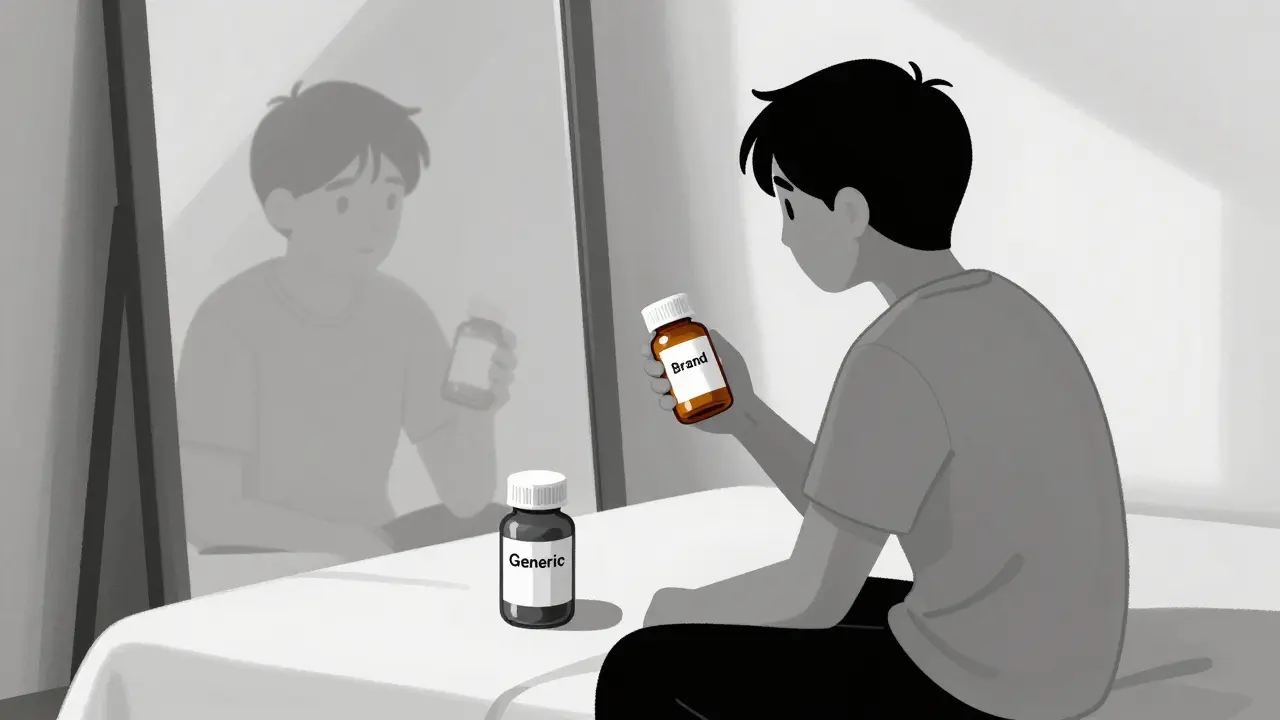
When a doctor switches your psychiatric medication, it’s not just a change in pills. It’s a shake-up of your mind. You might feel like you’re losing yourself - not because the new drug is weaker or stronger, but because your brain has adapted to the old one. And when that stability gets ripped away, the fallout isn’t just physical. It’s psychological. Deeply so.
Why Switching Feels Like Losing a Part of You
Many people don’t realize that psychiatric medications don’t just treat symptoms - they become part of your identity. After months or years on the same drug, your brain rewires around it. You sleep better. Your panic attacks fade. You start recognizing yourself again. Then, for reasons beyond your control - insurance, cost, a new doctor, a generic swap - you’re switched. A 2023 study tracking over 40,000 antidepressant users found that nearly 1 in 9 switched within 90 days. That’s not rare. That’s routine. And for many, it’s devastating. One patient described it as waking up in a stranger’s body. Another said, “I didn’t just lose the medication. I lost the version of me that worked.” The psychological impact isn’t just about withdrawal. It’s about trust. When you’re switched without warning, you start questioning everything: Was the first drug working? Was I just imagining improvement? Was my doctor wrong? Or worse - was I never really sick to begin with?The Three Psychological Phases of Switching
Research from Frontiers in Psychiatry breaks down the emotional journey into three clear stages:- Loss of self - This hits hardest right after the switch. Patients report feeling hollow, disconnected, or numb. One woman on sertraline for five years described her switch to generic as “turning off the color in my life.” She didn’t cry. She didn’t panic. She just stopped feeling anything. This phase lasts, on average, 3-6 weeks.
- Accumulating trauma - As side effects pile up - dizziness, electric-shock sensations, insomnia - you start to panic. You Google symptoms. You check forums. You see others saying the same thing: “I lost six months of progress.” This is where anxiety spikes. A 2022 NAMI survey found 41% of switchers had increased anxiety. 37% had suicidal thoughts. These aren’t rare outliers. They’re expected outcomes.
- Stable adaptation - Only 35% of people reach this stage. It takes over two years. And even then, many never fully trust the system again. They’ll say yes to a new prescription, but they’ll keep the old bottle in the back of the medicine cabinet “just in case.”
Branded vs. Generic: The Myth of Equivalence
Here’s the thing most doctors won’t tell you: switching from brand-name to generic isn’t always harmless. The FDA says generics are “bioequivalent.” That means they deliver the same amount of active ingredient. But that’s not the whole story. Psychiatric drugs - especially SSRIs like paroxetine, citalopram, and sertraline - have narrow therapeutic windows. A 5% difference in absorption can mean the difference between stability and relapse. A 2019 review of 42 case studies found that 68% of problematic switches happened between two different generic versions - not brand to generic. The problem isn’t the label. It’s the change itself. One man switched from brand-name Paxil to a generic version and started having panic attacks at 3 a.m. every night. He had been stable for three years. His doctor said, “It’s the same drug.” But the fillers, the coating, the release mechanism - all different. His brain didn’t care about the chemical name. It cared about the rhythm.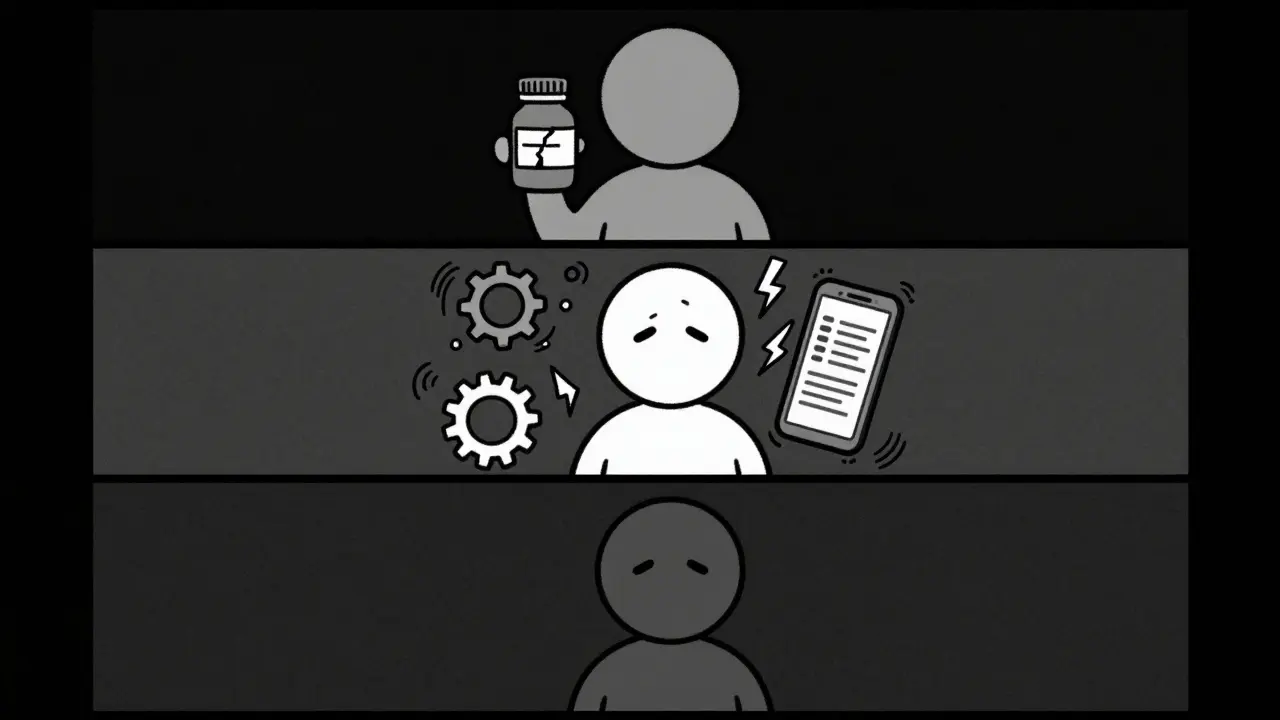
How Switching Feels to the Patient
Reddit threads, patient forums, and NAMI surveys paint a consistent picture:- “I felt like I was being punished for getting better.”
- “I cried every day for two weeks. I didn’t know why.”
- “My therapist said I was regressing. But I didn’t feel like I was regressing. I felt like I was being erased.”
- “I stopped trusting my doctor after they switched me without asking.”
Who Gets Hurt the Most?
It’s not random. The psychological toll hits harder for some. Data from the UK Biobank shows that people with lower income and less education are 33% more likely to have negative outcomes after a switch. Why? Because they’re more likely to be switched due to cost, not clinical need. They’re less likely to push back. They’re less likely to have the time or resources to find a new provider. Meanwhile, university-educated patients are 25% less likely to switch - not because they’re healthier, but because they’re better equipped to fight for continuity of care. And then there’s genetics. Some people have a biological vulnerability to switching. Those with higher polygenic risk scores for depression relapse are 23% more likely to crash after a medication change. This isn’t about willpower. It’s biology.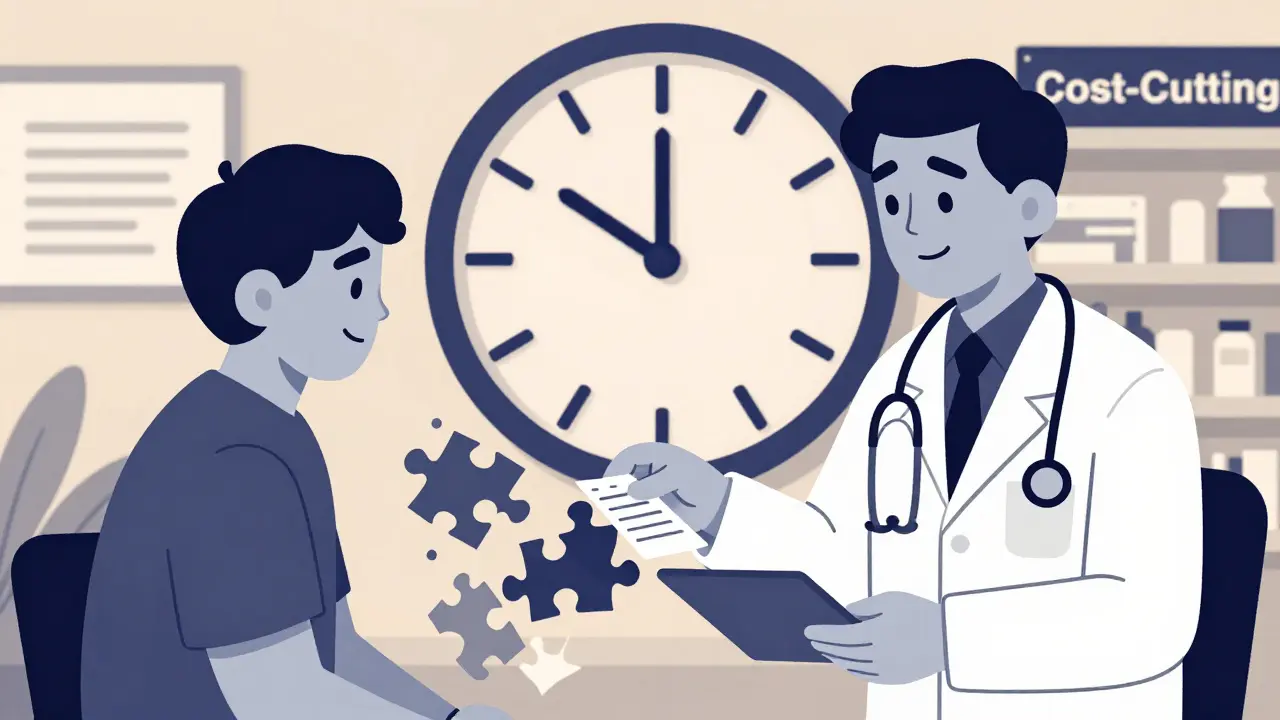
What Should Happen - And What Usually Does
The science is clear: if you must switch, do it slowly. Cross-tapering - gradually reducing the old drug while introducing the new - cuts psychological side effects by 37%. But most primary care providers don’t have the training. A 2022 survey of 1,200 family doctors found that 61% felt unprepared to manage medication transitions. Only 37% of electronic health records even have a switch protocol built in. Meanwhile, patients are being switched in minutes. A pharmacist fills a prescription. A nurse calls to say, “Your medication changed.” No warning. No explanation. No taper. It’s like suddenly removing the foundation of a house and expecting the walls to stay up.The Way Forward
There are solutions - but they require systemic change.- Require patient consent before any switch. Not just “we’re changing your meds.” But: “We’re switching from brand to generic. Here’s why. Here’s what to watch for. Here’s how we’ll monitor you.”
- Train primary care providers in cross-tapering. Medication management is no longer just for psychiatrists. It’s in family clinics. They need the tools.
- Build tracking systems. The FDA’s new Sentinel Initiative, launching in 2024, will track real-world psychological outcomes from 25 million patients. That’s a start.
- Stop assuming generics are interchangeable. For psychiatric drugs, they’re not. The science says so. The patients say so. It’s time policy caught up.
What You Can Do Right Now
If you’re on psychiatric medication and your doctor says, “We’re switching you”:- Ask: “Is this because of cost, or because the current drug isn’t working?”
- Ask: “Can we do a cross-taper? How long will it take?”
- Ask: “What symptoms should I watch for? When should I call you?”
- Ask: “Can I get the same brand if I pay out of pocket?”
Can switching medications cause depression to get worse?
Yes. Switching can trigger relapse, even if the new drug is clinically similar. Studies show that 71% of patients who were switched from branded to generic antidepressants without warning experienced symptom worsening or full relapse. This isn’t about the drug’s strength - it’s about the brain’s dependence on stability. The sudden change disrupts neurochemical patterns that had settled over time, leading to anxiety, insomnia, emotional numbness, or even suicidal thoughts.
Why do some people feel worse after switching to a generic drug?
Generic drugs contain the same active ingredient, but they can differ in fillers, coatings, and release mechanisms. For psychiatric medications - especially those with narrow therapeutic windows like paroxetine or sertraline - these small differences can alter how the drug is absorbed. A patient stable for years might suddenly experience dizziness, electric-shock sensations, or panic attacks because their brain no longer recognizes the new formulation. The issue isn’t the generic label - it’s the act of switching itself.
How long does it take to adjust after switching psychiatric meds?
Adjustment varies widely. Most people experience peak withdrawal or side effects within 1-4 weeks. Full stabilization can take 6-12 weeks - sometimes longer. A 2023 study found that only 35% of patients reached emotional stability after two years. The key is patience and monitoring. Rushing the process increases the risk of relapse. Slow, guided transitions with weekly check-ins significantly improve outcomes.
Is it safe to switch antidepressants without tapering?
No. Abruptly stopping or switching antidepressants can cause severe withdrawal symptoms, including dizziness, brain zaps, nausea, insomnia, and heightened anxiety. Cross-tapering - gradually reducing the old drug while introducing the new - is the gold standard. Studies show this method reduces psychological side effects by 37% compared to abrupt switches. Even if your doctor says it’s “safe,” always ask for a taper plan. Your brain needs time to adapt.
Why do some patients feel betrayed after a medication switch?
Many patients feel betrayed because switches are often done without consent, explanation, or warning. When someone has spent months or years building stability on a medication, being switched - especially for cost reasons - can feel like their progress was dismissed. A 2023 survey found that 74% of patients reported a loss of trust in their provider after an unplanned switch. This emotional fallout can be as damaging as the physical symptoms.
Are there genetic factors that make switching riskier?
Yes. Research from the UK Biobank shows that individuals with higher polygenic risk scores for depression relapse are 23% more likely to have negative outcomes after switching. These are biological markers that predict how your brain responds to changes in medication. While genetic testing isn’t standard yet, it’s becoming more common. If you’ve had repeated switches or relapses, ask your doctor if pharmacogenetic testing could help guide future decisions.
Can switching meds affect relationships or work performance?
Absolutely. The psychological side effects - brain fog, emotional numbness, irritability, fatigue - can make it hard to focus, communicate, or show up. One patient lost her job after switching medications because she couldn’t concentrate. Another said her partner left because she “wasn’t the same person.” These aren’t rare stories. When your brain is destabilized, your whole life feels like it’s slipping. This is why careful transitions matter - not just for mental health, but for human connection.

shannon kozee
March 21, 2026 at 19:43Switched from Lexapro to generic last year. Felt like my emotions got muted, like someone turned down the volume on my life. Took 5 months to stabilize. No one warned me. Just got a new prescription and a shrug.
Now I always ask for the brand. Worth the extra $20.
trudale hampton
March 22, 2026 at 06:10Yeah this is real. I was on Celexa for 7 years. Switched because insurance changed. Felt like I lost my chill. Didn’t cry or anything, just… numb. Took a year to feel like myself again.
But hey, I’m okay now. And I’m glad I spoke up. Doctors need to hear this stuff.
Shaun Wakashige
March 24, 2026 at 04:08bruh. just don’t take meds lmao 😂
Paul Cuccurullo
March 25, 2026 at 03:42This is not just a medical issue - it’s a moral failure of our healthcare system. To treat a person’s mental stability as a line item on a balance sheet is dehumanizing.
When you switch someone’s psychiatric medication without consent, you’re not managing a drug regimen - you’re dismantling a person’s identity. And for what? A few cents per pill?
We’ve normalized cruelty in the name of efficiency. That’s not healthcare. That’s exploitation dressed in a white coat.
Solomon Kindie
March 25, 2026 at 06:05the thing is no one talks about how the brain remembers the rhythm of the drug like its a song and when you change the melody it just stops making sense like your neurons are lost in a forest with no map and the doctors act like its just a math problem but its not its like tearing out a piece of your soul and gluing it back with shitty tape
Natali Shevchenko
March 25, 2026 at 16:14It’s fascinating how the brain forms these intricate, almost sacred dependencies on these molecules. We think of medication as a tool, but for so many of us, it’s more like a silent companion - the one that lets you breathe, sleep, laugh again.
When you remove it, even if the new one is chemically identical, the brain doesn’t care about chemistry. It cares about rhythm. Pattern. Consistency. It’s not about the drug - it’s about the story your nervous system has been telling itself for years.
And when that story gets abruptly rewritten? You don’t just lose a medication. You lose the version of yourself that believed you were healing. That’s grief. And no one talks about grieving the self you were on a drug.
It’s why so many of us keep the old bottle. Not because we’re scared. Because we’re honoring what kept us alive.
Thomas Jensen
March 27, 2026 at 08:58Did you know the FDA allows generics to vary by up to 20% in absorption? And they call it 'bioequivalent'? That’s not science - that’s corporate math.
And the real kicker? Big Pharma pushes generics because they own the patents on the new ones. So they profit from the switch, not the stability.
And the doctors? They’re told to ‘save money.’ No one asks if saving $12 a month is worth losing someone’s sanity.
It’s not a conspiracy. It’s capitalism. And we’re the collateral.
Johny Prayogi
March 28, 2026 at 14:01100% this. I switched from brand Zoloft to generic and had brain zaps for 3 months. My doctor said 'it's the same thing' - but my body knew better. Now I pay out of pocket. Worth every penny.
Also, if your doctor says 'no taper needed' - walk out. You deserve better. 💪🧠