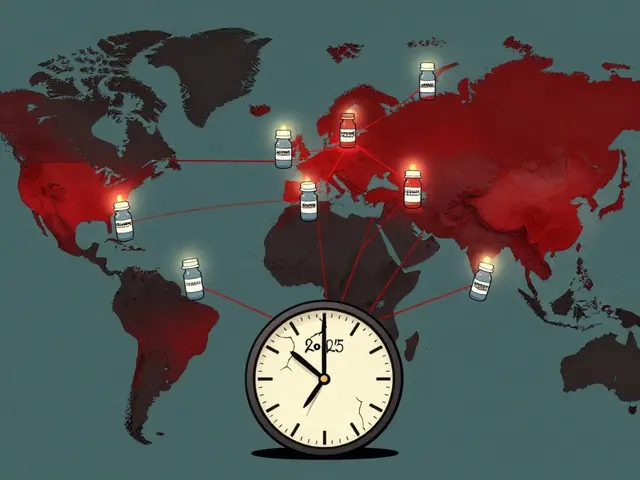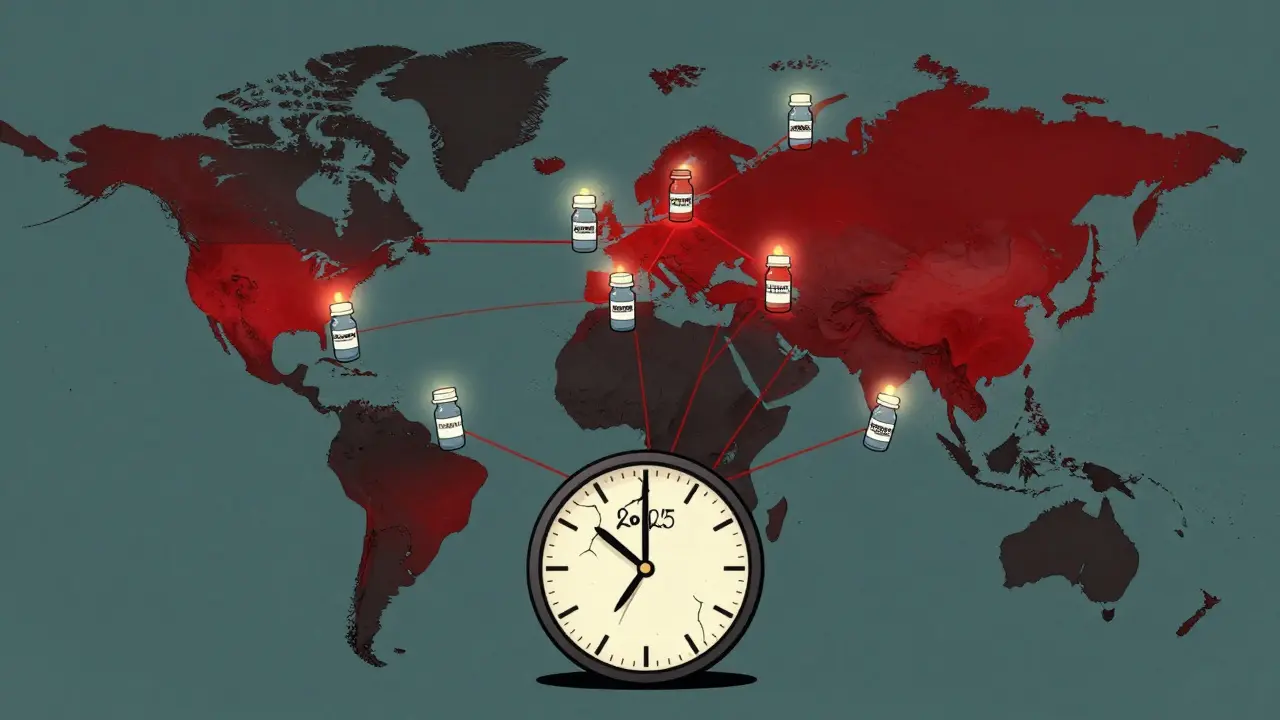
By 2026, nearly one in three commonly prescribed medications in the U.S. and Europe will face intermittent shortages. This isn’t a glitch in the system-it’s the new normal. The drugs we rely on for blood pressure, diabetes, cancer, and even antibiotics are becoming harder to find, not because of sudden disasters, but because of slow-moving, predictable failures in how we forecast and manage supply. The question isn’t whether shortages will happen anymore. It’s which ones, when, and who will pay the price.
Why Drug Shortages Are Getting Worse
Drug shortages aren’t random. They follow patterns. The biggest driver? Manufacturing concentration. Over 80% of active pharmaceutical ingredients (APIs) for generic drugs are made in just two countries: India and China. When a single factory in Hyderabad or Shanghai shuts down for regulatory non-compliance-like the 2024 FDA warning issued to a major Indian API plant for data integrity violations-hundreds of generic drugs vanish overnight. These aren’t niche products. They’re metformin, lisinopril, amoxicillin, and propofol. Drugs used by millions daily. The problem isn’t just production. It’s profit. Generic drug margins are razor-thin. When raw material costs rise-like the 40% spike in benzene derivatives in 2023 due to Red Sea shipping disruptions-manufacturers cut production. Why? Because the price they can charge for a 500mg tablet of metformin hasn’t changed in seven years. Meanwhile, the cost to comply with U.S. and EU quality standards keeps climbing. The result? Companies quietly stop making the cheapest drugs first. The ones nobody wants to pay more for.How Forecasting Works Today
The FDA’s Drug Shortage Database is the most public source of information, but it’s reactive, not predictive. It lists drugs currently out of stock or at risk. It doesn’t tell you what’s coming next. That’s where advanced forecasting models come in. Leading organizations like the Institute for Safe Medication Practices and the World Health Organization now use systems that combine:- Real-time manufacturing output data from 300+ global API facilities
- Regulatory inspection history (e.g., FDA warning letters from the last 24 months)
- Raw material commodity prices (tracked via Bloomberg and S&P Global)
- Geopolitical risk scores (using data from the World Bank’s Fragile States Index)
- Historical shortage patterns by drug class
Climate and Supply Chain Disruption
Climate change isn’t just about floods and fires. It’s about broken supply chains. In 2024, monsoon flooding in Gujarat, India, shut down three API plants for six weeks. One of them produced the key ingredient for losartan, a blood pressure drug used by over 12 million Americans. The shortage lasted 11 months. The FDA didn’t issue a warning until two months after the plant went dark. By 2027, climate-related disruptions to pharmaceutical manufacturing are projected to increase by 150% compared to 2020 levels, according to a joint study by the WHO and the European Medicines Agency. Regions like South Asia and Southeast Asia-where most APIs are made-are also the most vulnerable to extreme weather. A 2025 forecast from the Global Health Security Index predicts that by 2030, at least six major drug-producing regions will face annual disruptions lasting over 30 days due to floods, heatwaves, or water shortages.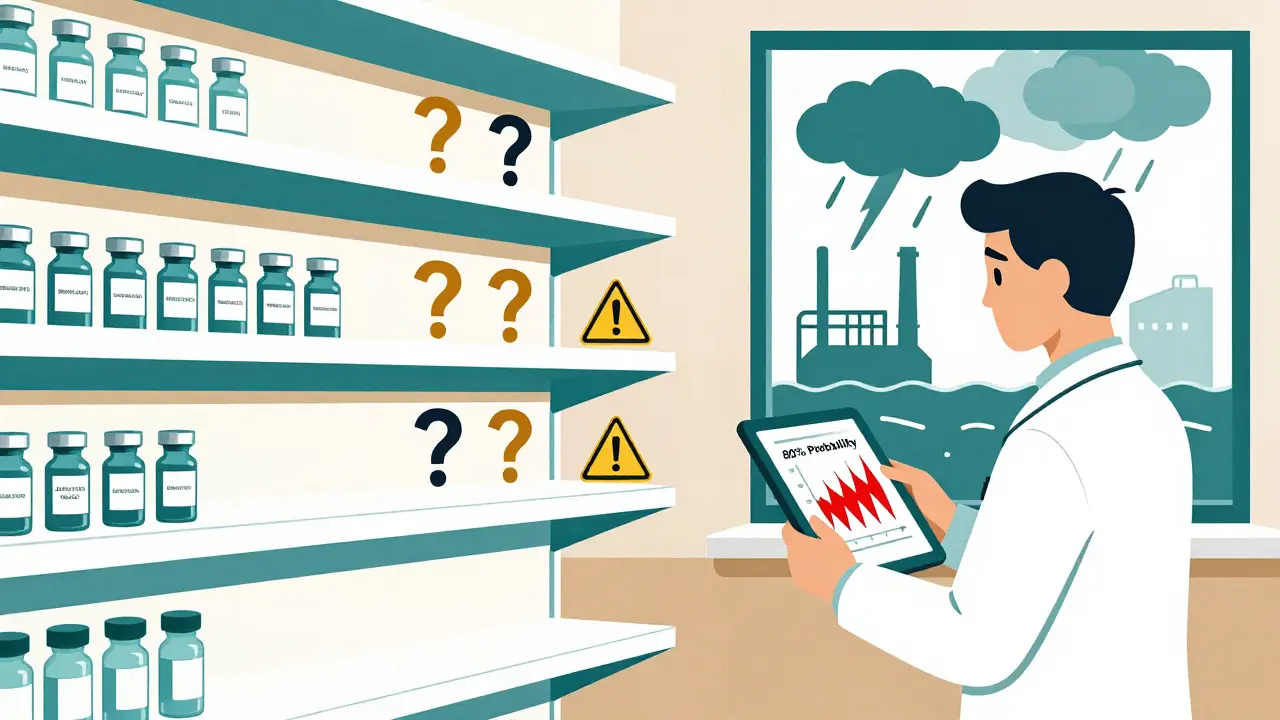
Who Gets Left Behind?
Shortages don’t affect everyone equally. Hospitals in rural areas or underfunded clinics often get the last pick. In Australia, where public drug subsidies are tight, the PBS (Pharmaceutical Benefits Scheme) prioritizes essential medicines-but even then, delays are common. In 2025, patients in Victoria reported waiting up to six weeks for a replacement for a generic version of metformin after the original supplier dropped out of the market. The same pattern plays out in the U.S. Medicaid programs. When a shortage hits, pharmacies often switch to more expensive alternatives. Patients end up paying more out of pocket-or go without. A 2025 study in JAMA Internal Medicine found that patients on insulin who faced shortages were 37% more likely to be hospitalized for diabetic complications.What’s Being Done-and What’s Not
Some progress is happening. The U.S. passed the Drug Supply Chain Security Act in 2013, but full implementation is still incomplete. The EU has started requiring manufacturers to report inventory levels quarterly. The WHO launched its Global Observatory on Medicine Shortages in 2024, collecting data from 92 countries. But most efforts are still too slow. Companies aren’t forced to disclose their backup suppliers. Regulators don’t require buffer stockpiles for high-risk drugs. And there’s no national system to redirect supply during a crisis. One exception? The U.S. Department of Health and Human Services began a pilot in 2025 to build strategic reserves of 12 critical drugs-mostly antibiotics and anesthetics. It’s small, covering only 3% of total demand, but it’s the first real step toward proactive management.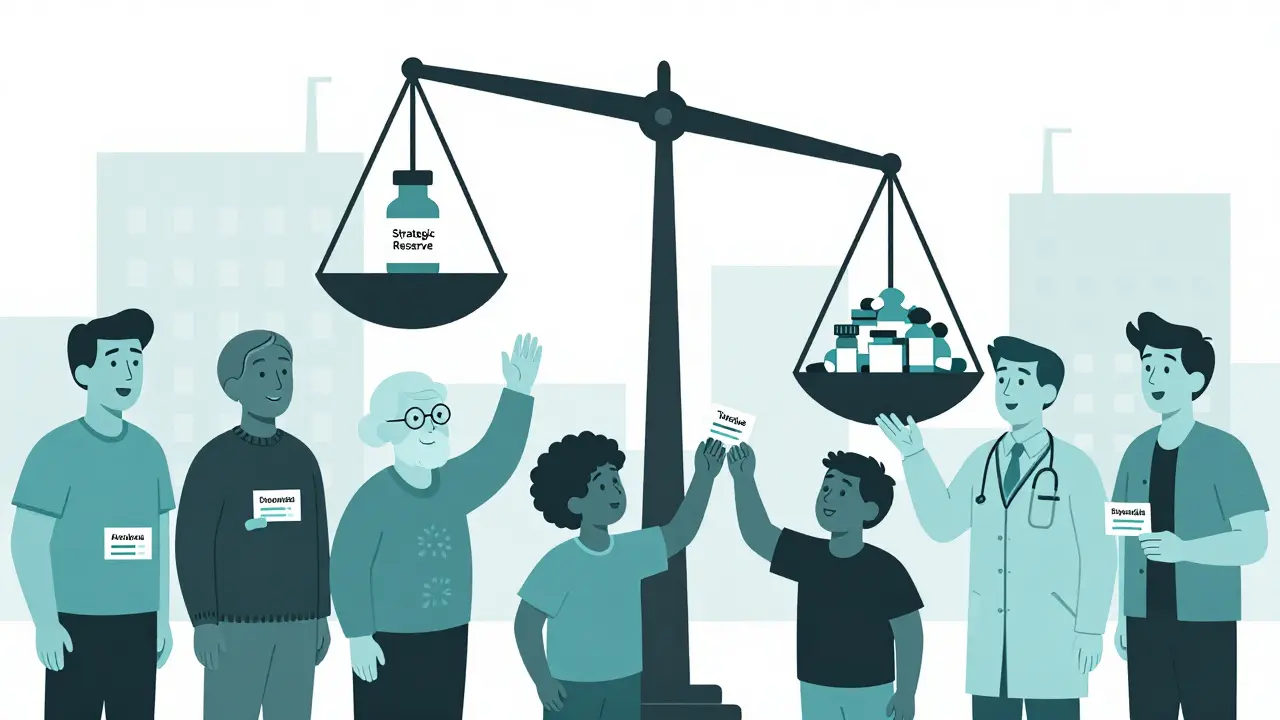
What You Can Do Now
If you’re a patient, don’t wait for a shortage to hit before you act. Talk to your pharmacist about:- Whether your drug has generic alternatives
- If your prescription can be switched to another brand with the same active ingredient
- How much supply you can safely keep on hand (most drugs can be stored for 6-12 months if kept dry and cool)
- Real-time inventory alerts from your distributor
- Contracts with multiple suppliers for high-risk drugs
- Pre-approved substitution protocols approved by your hospital pharmacy board
The Bottom Line
Drug shortages aren’t going away. They’re becoming more predictable, more systemic, and more dangerous. The tools to forecast them exist. The data is there. What’s missing is the will to act before the shelves go empty. By 2030, we could see a world where access to basic medicines depends on where you live, how much you earn, and whether your government invested in resilience-or waited for the crisis to hit.It doesn’t have to be that way. But we’re running out of time.
What causes drug shortages the most?
The top cause is manufacturing disruption, especially in countries that produce active pharmaceutical ingredients (APIs), like India and China. When a single factory shuts down due to regulatory issues, natural disasters, or political instability, it can cut off supply for dozens of drugs. Low profit margins on generic drugs also mean manufacturers stop making them when costs rise but prices don’t.
Can we predict which drugs will run out next?
Yes. Advanced models now combine real-time manufacturing data, regulatory inspection history, raw material prices, and geopolitical risk scores to predict shortages with 70-85% accuracy. For example, models flagged insulin analogs and chemotherapy drugs as high-risk for 2025-2026 based on single-source suppliers in unstable regions.
Are drug shortages getting worse because of climate change?
Absolutely. Floods, heatwaves, and water shortages in Asia-where most drug ingredients are made-are disrupting production more often. By 2030, climate-related disruptions to pharmaceutical manufacturing are expected to rise 150% compared to 2020 levels. One 2024 flood in India caused an 11-month shortage of a common blood pressure drug.
What drugs are most at risk of shortage by 2030?
Generic drugs with thin margins and single-source suppliers are most vulnerable. This includes insulin, metformin, antibiotics like amoxicillin, chemotherapy agents, and anesthetics like propofol. Drugs used for chronic conditions are especially risky because they’re taken daily by millions, leaving little room for disruption.
Is there a solution to prevent future shortages?
Yes-but it requires action. Governments need to require drugmakers to disclose supply chains, incentivize domestic API production, and build strategic stockpiles for critical drugs. Pharmacies and hospitals should diversify suppliers and maintain buffer stocks. Patients can ask pharmacists about alternatives and keep a small reserve of stable medications when safe to do so.