
The Surprising Truth About Your Medication Labels
You might believe you are allergic to antibiotics because you got sick the last time you took them. But here is the hard truth: only five to ten percent of reported reactions are true drug allergies. According to data from the American Academy of Allergy, Asthma & Immunology, this means roughly ninety percent of people labeled as allergic to common medicines are actually experiencing something else entirely. This confusion isn't just a harmless mix-up. It changes what treatments doctors can offer you, often leading to less effective care and higher costs.
Understanding the line between an allergy and a side effect changes how you handle your health. If you avoid penicillin unnecessarily, you might end up taking stronger antibiotics later in life. Those broader drugs kill good bacteria along with bad ones, raising the risk of infections like Clostridioides difficile. By recognizing the difference now, you protect your future options for treatment.
What Exactly Is a Drug Allergy?
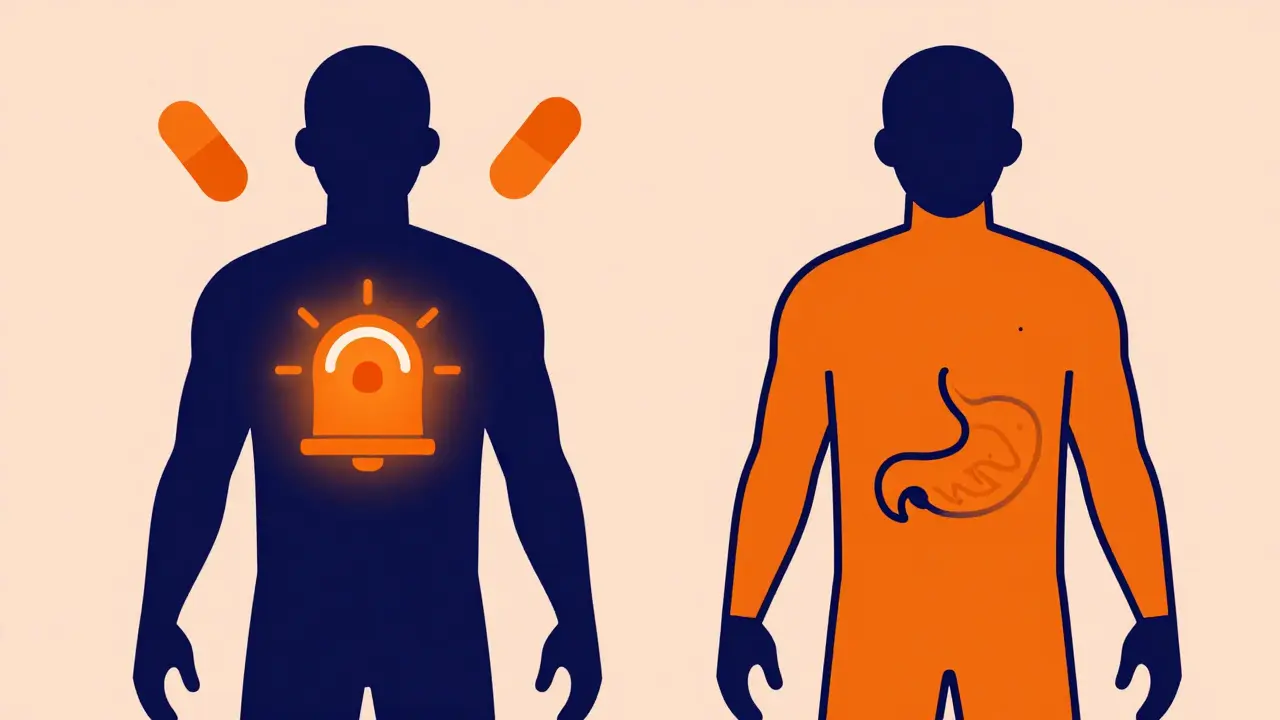
A true allergy happens when your body's defense system mistakes a medicine for a dangerous invader. Think of it as a security alarm going off when there is no intruder. Your immune system creates antibodies, specifically IgE or T-cells, to fight the drug. When you take the medicine again, those antibodies trigger a reaction. This is different from simply hating the taste or feeling nausea.
These reactions are classified into two main types based on timing. Immediate reactions involve IgE antibodies and happen within sixty minutes. They cause hives, swelling, or trouble breathing. Delayed reactions rely on T-cells and might take days or weeks to appear. These show up as rashes or severe skin conditions like DRESS syndrome. The presence of the immune system is the key marker. Without immune activation, it is not an allergy.
Penicillin is the most common culprit, accounting for eighty percent of documented drug allergies. However, even here, statistics shift dramatically over time. Most children labeled as penicillin-allergic lose that sensitivity by adulthood. Despite this, labels stick in medical records for decades, causing unnecessary restrictions.
Understanding Side Effects
Side effects are the flip side of the coin. They are known, predictable responses to a drug's chemical properties. No immune system activity is required here. For instance, ACE inhibitors, commonly used for blood pressure, cause dry coughs in five to twenty percent of patients. This happens because the drug affects bradykinin levels in the lungs, not because the body is fighting the drug.
Statins, which lower cholesterol, illustrate this clearly. Some people report muscle pain when starting these medications. While uncomfortable, this myotoxicity is a direct result of how the drug processes in muscle tissue. It does not mean the immune system has marked the statin as poison. You can manage this by adjusting the dose or switching to a similar medication without declaring an allergy.
| Feature | Drug Allergy | Side Effect |
|---|---|---|
| Mechanism | Immune system response (IgE/T-cell) | Predictable pharmacological action |
| Timing | Minutes to weeks after exposure | Usually begins shortly after starting |
| Symptoms | Hives, wheezing, rash, anaphylaxis | Nausea, headache, drowsiness, itchiness |
| Management | Avoidance or desensitization | Dose adjustment or symptom control |
Why Mislabeling Costs You Money
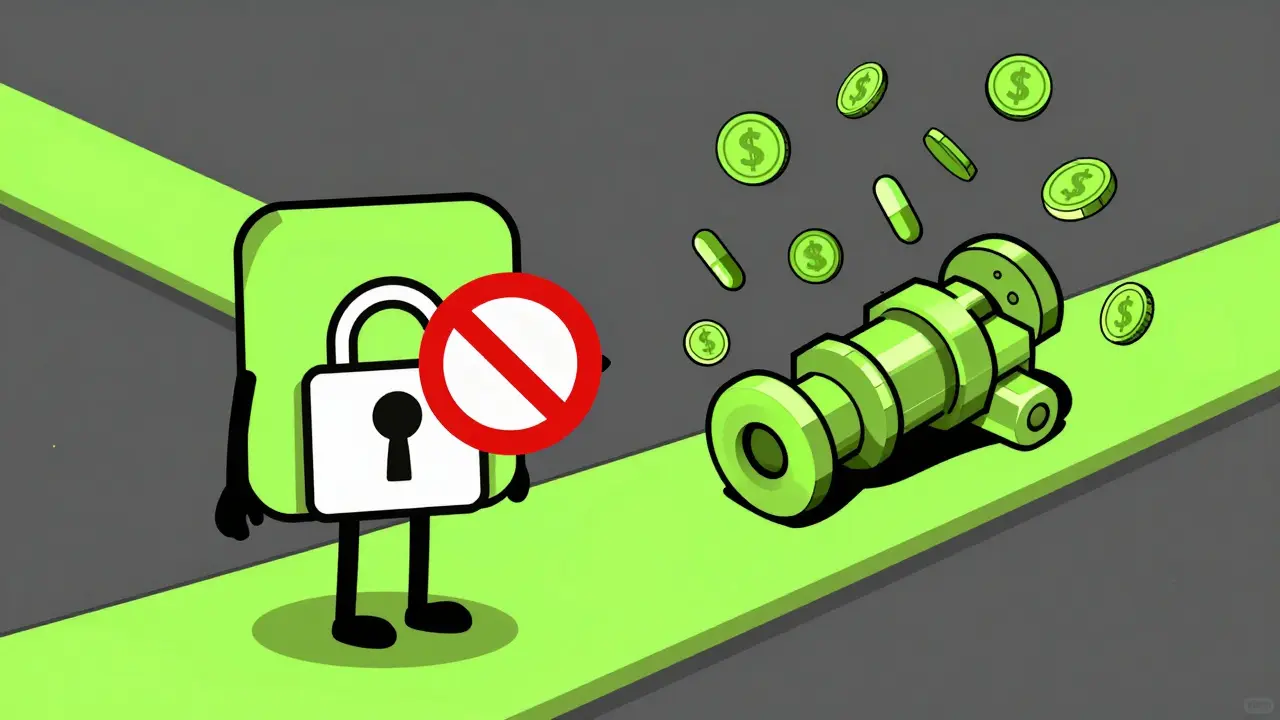
This is where the problem gets expensive. When a patient chart lists a penicillin allergy, doctors cannot easily use standard antibiotics. Instead, they switch to broader-spectrum alternatives like vancomycin. Studies show that patients with false allergy labels pay about one thousand dollars more per hospital stay. That extra cost covers the price of pricier drugs and longer hospital stays due to complications.
Beyond the bill, there is a safety risk. Broad-spectrum antibiotics increase the likelihood of developing superbugs. A 2019 study highlighted that mislabeled patients face a 2.5 times higher risk of C. diff infection. This is a serious gut infection linked to antibiotic overuse. Additionally, avoiding necessary medication due to a false fear can lead to untreated conditions. One woman missed three years of effective pain management because her doctor mistook kidney injury for an ibuprofen allergy.
When to Seek Medical Help
Not every reaction requires a trip to the emergency room, but some signals demand immediate attention. If you experience difficulty breathing, swelling of the throat, or a sudden drop in blood pressure, treat this as anaphylaxis. These are hallmarks of a severe allergic reaction that can be fatal without quick epinephrine treatment.
However, mild symptoms like a stomach ache or slight nausea usually indicate a side effect. Keep a log of when symptoms start relative to taking the pill. True allergies often repeat upon re-exposure. Side effects sometimes fade as your body adjusts. If symptoms persist or worsen, talk to your provider rather than assuming it is an allergy. Never stop essential medication on your own without professional guidance.

Getting Accurate Answers Through Testing
If you carry a label from childhood, it is worth revisiting. Many hospitals now run drug allergy assessment programs. These typically involve skin testing followed by supervised challenges. For penicillin, the skin test uses minor and major determinants mixed at specific concentrations. If the skin test is negative, a graded oral challenge follows under observation.
Research indicates that ninety percent of people claiming a penicillin allergy tolerate the drug when tested properly. Pharmacist-led assessments have reduced inappropriate avoidance by eighty percent in large healthcare systems. Electronic health records are improving too. Using structured coding systems like SNOMED CT helps clinicians distinguish between "nausea" and "hives" better than vague text notes. Ask your doctor if you qualify for an allergy evaluation before your next surgery or dental work.
Taking Control of Your Medication History
Your medical record should reflect reality, not assumptions. When discussing past reactions with a doctor, describe exactly what happened. Did you break out in hives? Did your lips swell? Or did you just feel dizzy? Vague descriptions often get filed as allergies by default. Providing specific details like timing and severity helps specialists determine the true nature of the event.
Be ready to question old information. Medical knowledge evolves, and so does your body. What looked like an allergic reaction years ago might now be understood as a side effect or a viral illness coinciding with medication. Taking a proactive stance ensures you receive the safest, most effective treatment available today.



Victor Ortiz
March 31, 2026 at 20:47You're missing the point entirely when you suggest people aren't capable of understanding basic immunology without a crash course in biology.
Amber Armstrong
March 31, 2026 at 20:49I totally understand what you mean about the emergency room situations because we have seen so many friends get scared unnecessarily when they take antibiotics for a minor infection. It really breaks my heart to think about how much anxiety patients carry around with them every single day due to mislabeling issues. We have to consider that the medical system isn't perfect and sometimes doctors write things down without verifying the actual reaction history properly. My cousin had a rash once after taking amoxicillin but it turned out to be a viral exanthem rather than a true allergy triggered by the drug molecule itself. It took her years to finally get tested correctly by a specialist who understood the difference between a side effect and a hypersensitivity response clearly enough to remove the flag from her chart. I worry a lot that people stop listening to their own bodies when they are told to fear certain medications without getting proper explanations first. The article mentioned something about ninety percent of cases being false labels which seems incredibly high when you think about how many prescriptions are written daily. We need better education for general practitioners so they can explain the nuance to patients before they panic. It is also important to remember that children lose these sensitivities often as they grow older into adulthood phase of their lives. This means avoiding penicillin might actually harm their future treatment options when they need stronger care later on in life. I hope everyone reading this knows that testing is safe and supervised so you don't have to live in constant fear anymore. Please talk to your doctor about reassessment if you feel unsure about your listed allergies today. Your health records should tell a story of reality and not just vague assumptions from decades ago. Taking control starts with asking simple questions instead of accepting scary warnings blindly. Let us support each other through these confusing medical journeys with patience and knowledge. We deserve better outcomes for our health.
Brian Yap
March 31, 2026 at 23:40Down under we see plenty of blokes avoiding penicillin for no reason other than mum saying they were allergic as a kid.
Michael Kinkoph
April 2, 2026 at 16:12Indeed; the ignorance persists! We must rectify this! The healthcare deficit is staggering!!!
Ruth Wambui
April 4, 2026 at 15:43They want to keep you weak with broad-spectrum drugs to fill the pockets of big pharma corporations hiding behind safety labels.
emma ruth rodriguez
April 6, 2026 at 13:50While skepticism is healthy, dismissing standard protocols without evidence compromises patient safety significantly. Clinical guidelines exist for valid reasons! Pharmacology requires rigorous oversight!
Beccy Smart
April 8, 2026 at 02:21Maybe the body knows best 🤷♀️ but rules are nice too 😌. Just trust the vibes 💅. 🙄
Jonathan Sanders
April 9, 2026 at 08:36Great, now I feel like my nausea was a personality flaw instead of a drug side effect.
Rick Jackson
April 11, 2026 at 05:47Truth lies in the biological mechanism, not the fear narrative constructed around it.
sanatan kaushik
April 11, 2026 at 14:29Listen up. If you do not check your history you die slowly. Wake up people.
Debbie Fradin
April 11, 2026 at 18:20So the system lied to us for money and you guys are surprised? Typical corporate medical shenanigans.