
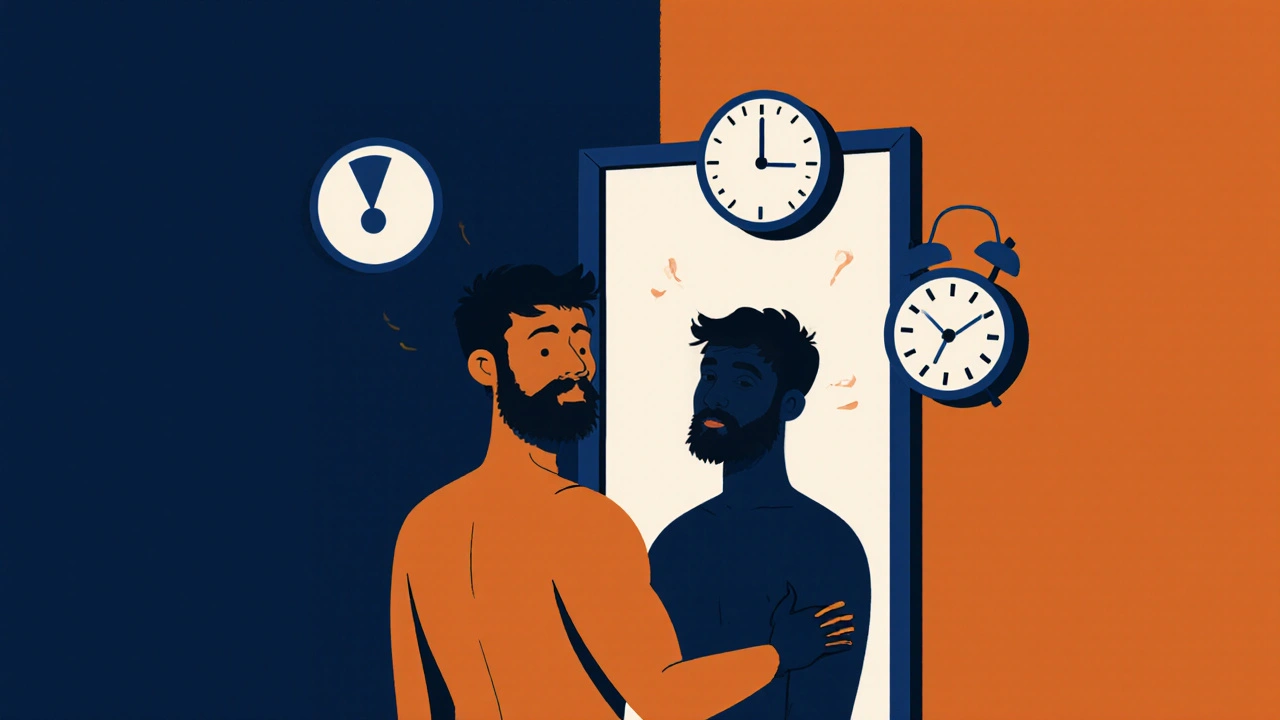
Male hypogonadism causes low testosterone, leading to fatigue, low libido, and muscle loss. Learn the real symptoms, how it's diagnosed, and the latest treatment options including gels, injections, and new oral therapies.
TRT Symptoms: What to Watch For and When to Act
When your body doesn’t make enough testosterone, a key hormone that affects muscle, mood, energy, and sex drive. Also known as low T, it’s more common than most people think—especially after 30, and it doesn’t always show up as just a lack of sex drive. Many men brush off tiredness, irritability, or weight gain as aging or stress. But these could be early TRT symptoms—clues your body is running low on fuel.
Testosterone isn’t just about libido. It powers your muscles, keeps your bones strong, and even affects how you think and feel. If your levels drop, you might notice trouble sleeping, less body hair, or even breast tenderness. Some men get foggy-headed or feel depressed without knowing why. Others gain belly fat even when they eat right and exercise. These aren’t just random quirks—they’re signals. And they’re not always obvious. One man might lose his energy, another might struggle with erections, and a third might just feel "off" for months. That’s why tracking your symptoms matters more than waiting for a blood test.
TRT isn’t a quick fix, but knowing the signs helps you talk to your doctor before things get worse. You don’t need to wait until you’re exhausted all the time or can’t lift your kids anymore. If you’ve been feeling like yourself but not quite you, it’s worth asking about your testosterone levels. The good news? Once you identify the issue, there are clear steps to take. Below, you’ll find real-world insights from men who’ve been through this—what worked, what didn’t, and what doctors actually recommend.