
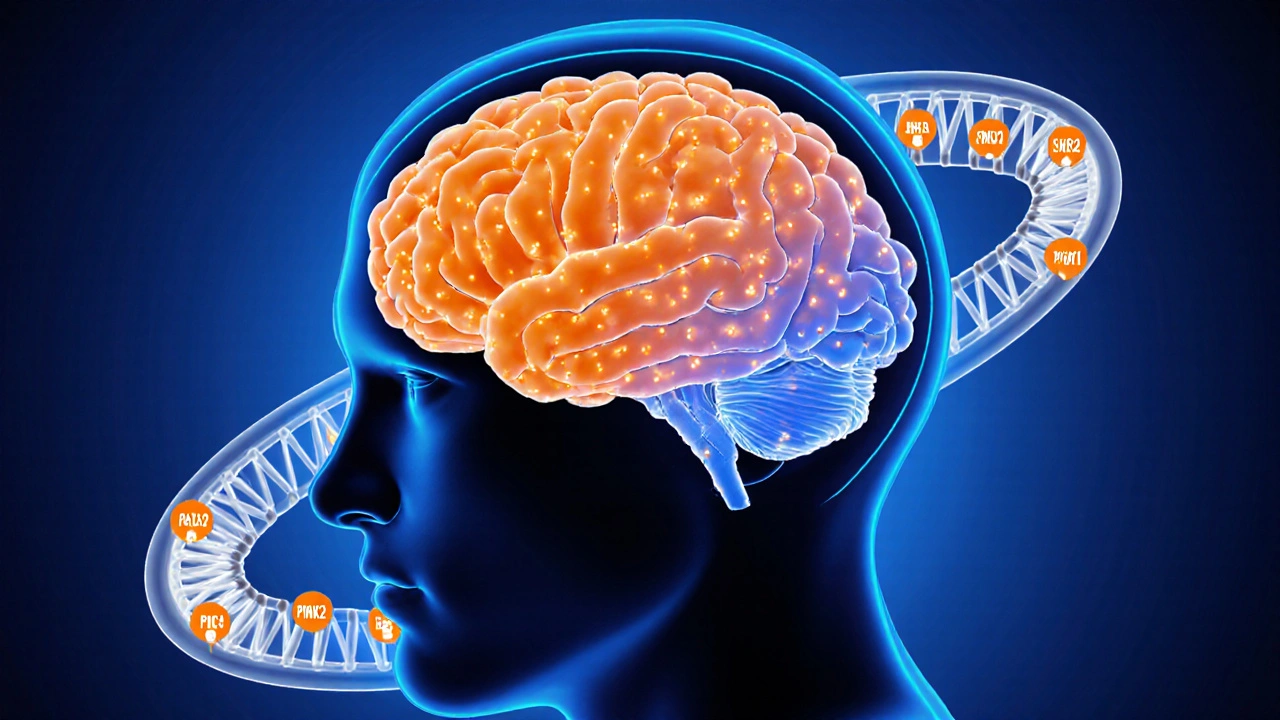
Explore how genetics shapes Parkinson's disease risk, the key genes involved, testing guidelines, and what it means for patients and families.
Parkinson's Disease Genetics: How Inheritance Shapes Risk and Treatment
When we talk about Parkinson's disease genetics, the study of how inherited DNA changes affect the risk of developing Parkinson's disease. Also known as familial Parkinson's, it's not just about aging or environment—your genes play a real, measurable role in whether you develop this condition. While most cases happen without a clear family history, about 10 to 15% of people with Parkinson's have a close relative who also has it. That doesn't mean it's guaranteed to pass down, but it does mean your risk might be higher if someone in your family was diagnosed, especially before age 50.
Scientists have found specific genes linked to Parkinson's, and two of the most important are LRRK2, a gene that, when mutated, significantly increases Parkinson's risk, especially in certain populations like Ashkenazi Jews and North Africans and SNCA, the gene that makes alpha-synuclein, the protein that clumps together in the brains of people with Parkinson's. Mutations in these genes don't cause Parkinson's in everyone who carries them, but they make it far more likely. Other genes like PARK2, PINK1, and DJ-1 are tied to early-onset cases, often before age 40. These aren't just academic findings—they're helping doctors predict who might develop symptoms earlier and tailor screening or lifestyle advice.
Understanding these genetic links also changes how we think about treatment. Some new drugs in development are designed to target specific genetic forms of Parkinson's. For example, therapies aimed at reducing LRRK2 protein activity are already in clinical trials. If you have a known genetic mutation, you might qualify for these trials years before symptoms appear. Genetic testing isn't for everyone, but for those with a strong family history or early diagnosis, it can offer clarity and open doors to personalized care. It also helps families understand what they might face—and what they can do about it.
What you’ll find below is a collection of real, practical articles that dig into how genetics connects to Parkinson's, what testing can reveal, how family history affects risk, and what new research means for patients today. These aren’t theoretical overviews—they’re clear, evidence-based guides written for people who need to make real decisions about their health or their family’s future.