
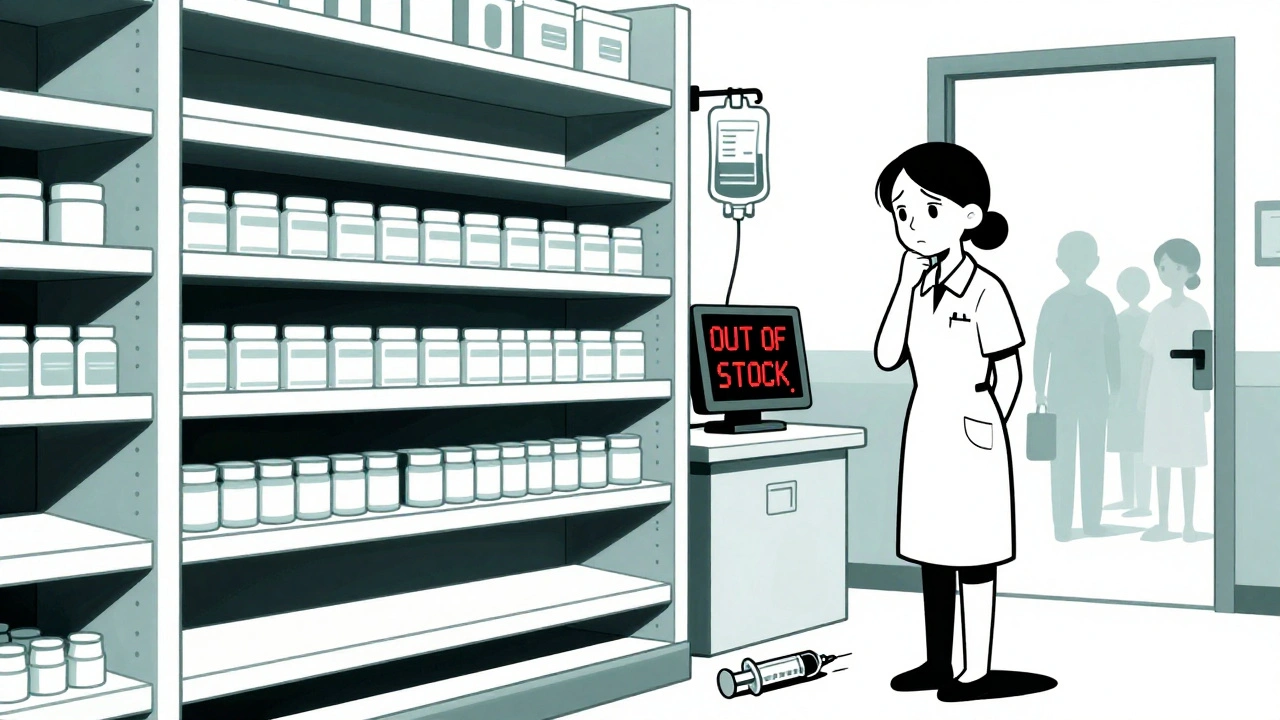
Pricing pressure and medical supply shortages are driving up healthcare costs and limiting access, especially for chronic illness patients. Global supply chain gaps, labor shortages, and price controls are worsening the crisis.
Medical Supply Shortages: What’s Running Out and What You Can Do
When you rely on a medication to manage your health, finding your prescription unavailable isn’t just inconvenient—it’s dangerous. Medical supply shortages, the sudden lack of essential medicines and medical products in the supply chain. Also known as drug shortages, they affect everything from insulin to antibiotics and common heart pills. These aren’t rare glitches. In 2023, over 300 drugs were listed as in short supply by the FDA, and many of them are generics you’ve been taking for years.
Why does this keep happening? It’s not one problem—it’s a chain. Pharmaceutical supply chain, the network of manufacturers, distributors, and regulators that gets drugs from factories to pharmacy shelves is fragile. Many generic drugs are made overseas, and a single factory shutdown—due to quality issues, natural disasters, or political pressure—can cut off supply for millions. Generic drug supply, the backbone of affordable healthcare in the U.S. and beyond is especially vulnerable because profit margins are thin, and manufacturers often don’t invest in backup systems. Even when the FDA approves a new maker, it can take months to ramp up production. Meanwhile, hospitals and pharmacies scramble to find alternatives, and patients get caught in the middle.
Some of the most common shortages involve cardiovascular combination generics, like pills that mix a statin with blood pressure meds. When those disappear, doctors have to prescribe separate pills, which means more trips to the pharmacy, higher costs, and a higher chance of missing doses. Antibiotics, cancer drugs, and even basic IV fluids have all been hit. The problem isn’t just about scarcity—it’s about timing. A shortage that lasts three weeks can cause a ripple effect: patients delay treatment, conditions worsen, and emergency visits spike. And while medication availability, how reliably a drug can be obtained when needed sounds like a logistical issue, it’s really a health equity issue. People without good insurance or access to specialty pharmacies suffer the most.
There’s no magic fix, but you’re not powerless. Knowing which drugs are most at risk helps you plan ahead. Talking to your pharmacist about alternatives, checking the FDA’s shortage list, and keeping a small backup supply (when safe and allowed) can make a difference. The posts below dive into real cases—from how hospitals pick generics during a shortage, to why some drugs vanish without warning, to how patient counseling can catch errors when substitutes are used. You’ll find practical steps, insider insights, and the truth behind why your prescription might suddenly be out of stock—and what you can do about it.