
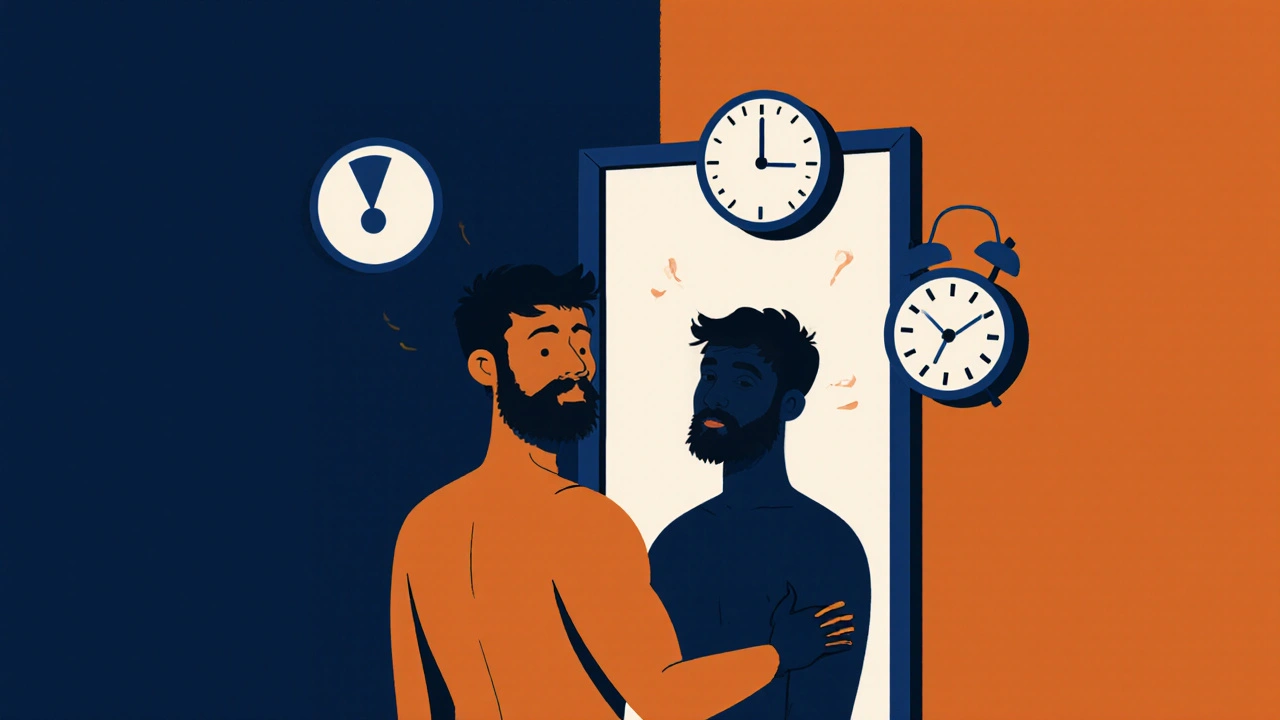
Male hypogonadism causes low testosterone, leading to fatigue, low libido, and muscle loss. Learn the real symptoms, how it's diagnosed, and the latest treatment options including gels, injections, and new oral therapies.
Male Hypogonadism: Causes, Symptoms, and Treatment Options
When your body doesn’t make enough testosterone, the main male sex hormone that drives muscle mass, libido, energy, and mood. Also known as testosterone deficiency, it’s not just about feeling tired—it’s a real medical condition called male hypogonadism, a disorder where the testes don’t produce enough testosterone or sperm, or both.
Male hypogonadism can happen at any age. In teens, it might mean delayed puberty—no voice deepening, no facial hair, or underdeveloped muscles. In adult men, it shows up as low sex drive, trouble getting or keeping an erection, loss of muscle, increased body fat, mood swings, and even trouble concentrating. It’s not just aging. Some men have it because of genetic issues, injury to the testicles, or problems with the pituitary gland that tells the testes what to do. Others get it from chronic illness, obesity, or even long-term opioid use. It’s not rare, but it’s often missed because symptoms creep in slowly.
There are two main types: primary hypogonadism, where the problem is in the testes themselves, and secondary hypogonadism, where the brain’s signal to the testes is broken. The treatment depends on which one you have. Testosterone replacement therapy is common, but it’s not a one-size-fits-all fix. Some men do better with gels, others with injections or pellets. And if the issue is in the brain, doctors might use medications that stimulate hormone production instead. You also need to check for related issues like low bone density or high cholesterol, which often come with low testosterone.
What you’ll find in the posts below isn’t just theory—it’s real-world advice from men who’ve been there. You’ll see how male hypogonadism connects to other conditions like erectile dysfunction, prostate health, and even mental health. Some posts compare treatments like testosterone therapy with alternatives. Others break down how lifestyle changes—sleep, weight loss, stress management—can make a real difference. You’ll also find warnings about what doesn’t work, like over-the-counter "testosterone boosters" that are mostly sugar and hype. This isn’t about quick fixes. It’s about understanding your body, knowing your options, and making smart choices with your doctor.