
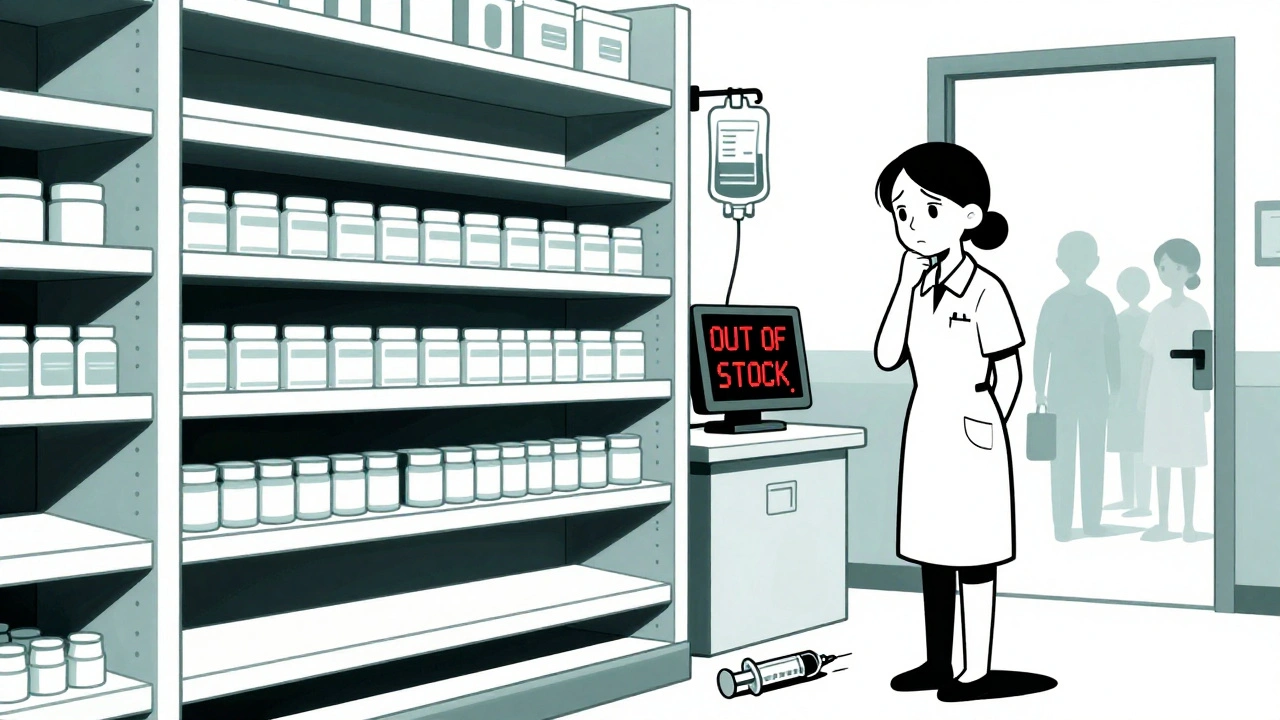
Pricing pressure and medical supply shortages are driving up healthcare costs and limiting access, especially for chronic illness patients. Global supply chain gaps, labor shortages, and price controls are worsening the crisis.
Healthcare Economics: How Drug Costs, Policies, and Choices Shape Your Care
When you pick up a prescription, you’re not just getting medicine—you’re entering a system shaped by healthcare economics, the study of how resources are allocated in medicine, including pricing, reimbursement, and access. Also known as pharmaceutical economics, it’s the hidden engine behind why some drugs cost pennies and others cost hundreds, why your doctor prescribes one pill over another, and why your insurance might deny coverage. This isn’t abstract theory. It’s the reason Australia’s Pharmaceutical Benefits Scheme (PBS), a government program that subsidizes prescription drugs to make them affordable for all citizens cuts your co-pay by 80%, while in the U.S., hospitals choose generics based on hidden deals, not just price.
Behind every pill on your shelf, there’s a chain of decisions: how the FDA, the U.S. agency that enforces strict manufacturing and quality rules for all drugs, generic or brand approves a generic version, how cleanrooms keep those pills free of contamination, and how patient counseling catches 83% of errors before they leave the pharmacy. These aren’t just safety steps—they’re cost controls. The same system that ensures a generic statin works like the brand-name version also decides whether your hospital stocks it over a cheaper alternative that has supply issues. Hospital formulary, a list of approved drugs a hospital will stock and prescribe, based on cost, safety, and supplier contracts isn’t a medical guideline—it’s a budget spreadsheet with clinical checks.
And it’s not just about pills. When a biologic drug costs $100,000 a year, healthcare economics forces a choice: pay for it, find a biosimilar, or leave it off the formulary. When child-resistant caps reduce poisonings by 70%, it’s not just safety—it’s lower ER visits and lower costs. When support groups improve medication adherence and cut hospital readmissions, they’re not just feel-good programs—they’re economic interventions that save billions. This collection of articles pulls back the curtain. You’ll see how pricing works in Australia, how manufacturers change production without breaking the law, how doctors protect themselves when prescribing generics, and why the same drug can cost $5 in one country and $500 in another. No fluff. No jargon. Just the real rules that decide what medicine ends up in your hands—and what it costs you.