
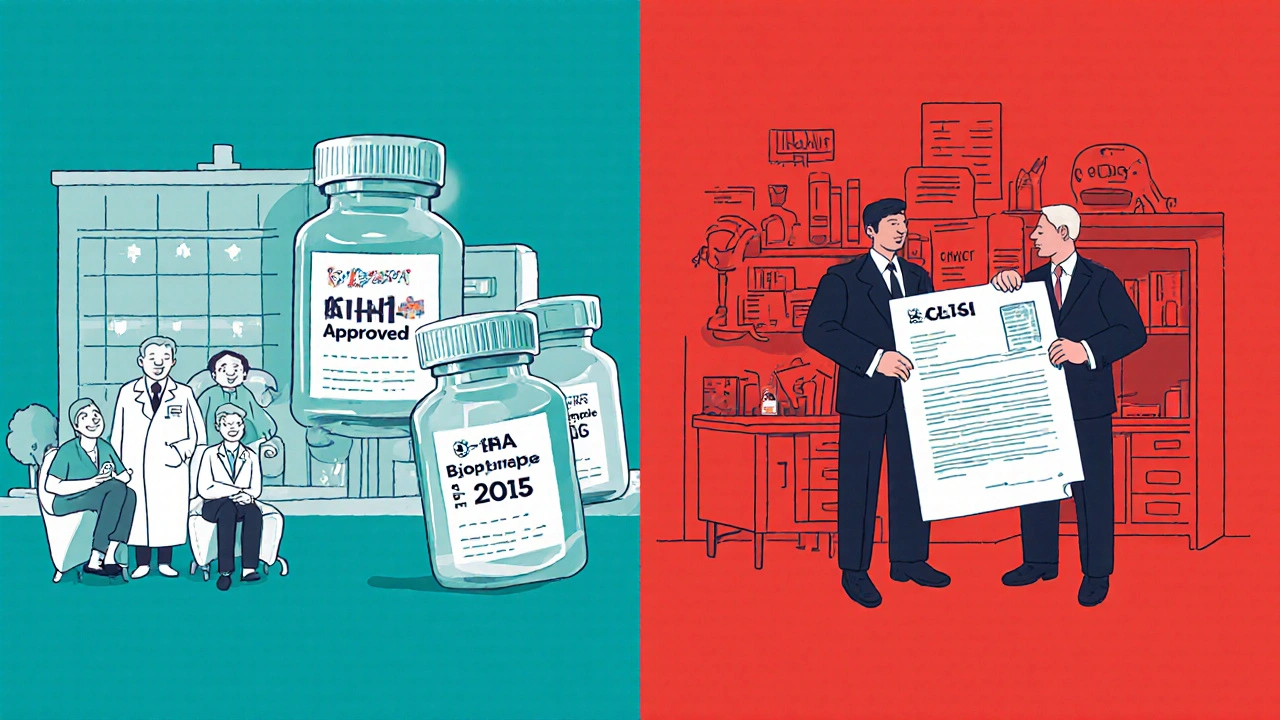
Europe led the global biosimilar market for nearly two decades, but the U.S. is now accelerating rapidly after regulatory changes in 2024. Learn how differences in approval, pricing, and adoption shape access and cost savings today.
Biosimilar Regulation: What You Need to Know About Generic Biologics
When you hear biosimilar regulation, the set of rules that governs how generic versions of complex biologic drugs are approved and monitored. Also known as biologic drug approval standards, it’s the invisible framework that decides whether a cheaper version of a cancer or autoimmune drug is safe to use instead of the brand-name original. Unlike regular generics, which are simple chemical copies, biosimilars are made from living cells—so they’re never exact replicas. That’s why regulators like the FDA and EMA don’t just check ingredients; they demand proof that the biosimilar behaves the same way in the body, with no meaningful difference in safety or effectiveness.
This matters because biologic drugs like Humira or Enbrel can cost over $20,000 a year. Biosimilars bring those prices down—sometimes by 30% to 50%—but only if the system works right. Generic biologics, medications designed to match the clinical performance of brand-name biologics. Also known as follow-on biologics, they’re not shortcuts. They require years of testing, including clinical trials, purity checks, and real-world data review. And it’s not just about the drug itself—drug approval, the official process by which health authorities authorize a medication for public use. Also known as market authorization, it’s the gatekeeper that decides if a biosimilar gets to the pharmacy shelf. Countries have different rules: the U.S. has a 12-year data exclusivity period, while the EU allows earlier entry under stricter comparability requirements. That’s why a biosimilar approved in Europe might still be waiting in the U.S., even if it’s already being used safely overseas.
What you’ll find in the posts below are real stories tied to this system: how physicians navigate legal risks when prescribing biosimilars, how patent battles delay access, and how patients benefit—or don’t—when these rules shift. You’ll see how biosimilar regulation isn’t just paperwork; it affects who gets treated, how much they pay, and whether new therapies reach the people who need them fastest. These aren’t theoretical debates. They’re daily decisions in clinics, pharmacies, and courtrooms.