
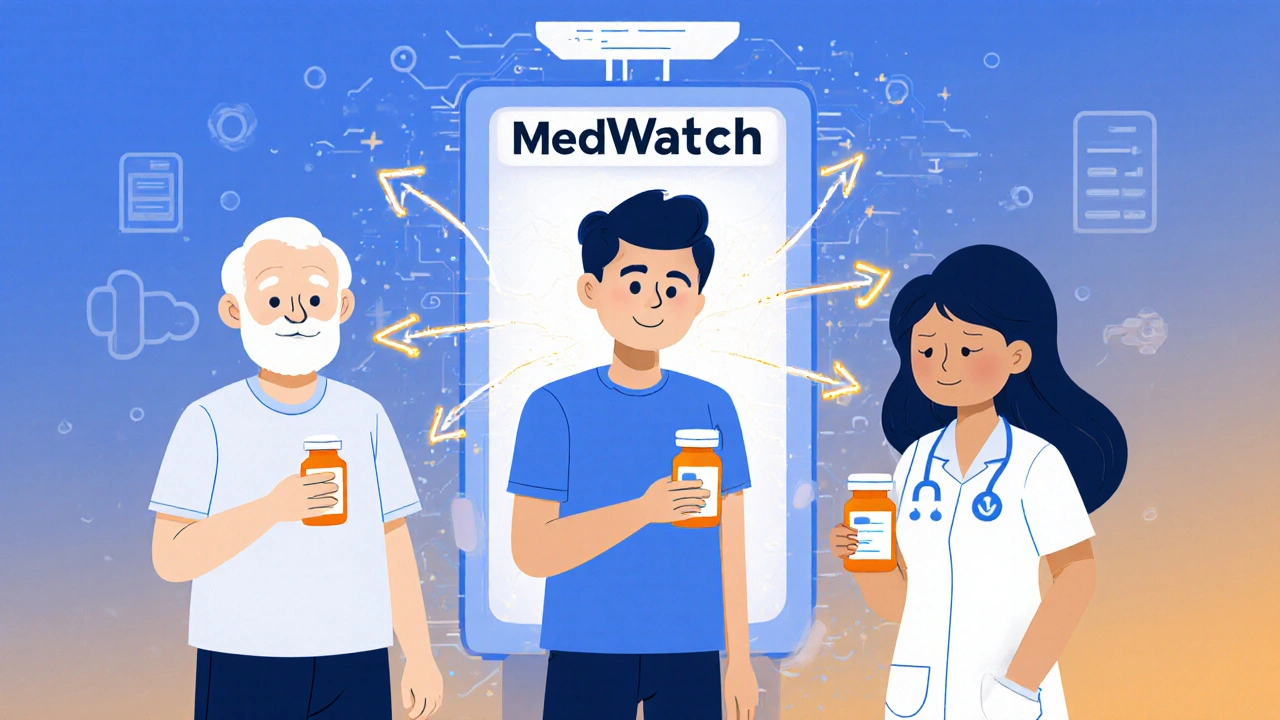
Learn how to report a suspected adverse drug reaction to the FDA using MedWatch. Step-by-step guide for patients, families, and healthcare providers on what to report, how to submit, and why it matters for drug safety.
Adverse Drug Reaction: What It Is, Why It Matters, and How to Spot It
When you take a medicine, you expect it to help—not hurt. But sometimes, even the right drug at the right dose can cause harm. This is called an adverse drug reaction, an unintended and harmful response to a medication given at normal doses for prevention, diagnosis, or therapy. Also known as drug side effect, it’s one of the most common reasons people end up in the emergency room or stop taking their meds altogether. These reactions aren’t rare. In fact, they’re among the top ten causes of death in hospitals worldwide. And most people have no idea when they’re having one.
Not all bad reactions are the same. Some are mild—a rash, a little nausea, a dry mouth. Others? They can shut down your liver, stop your heart, or make you so dizzy you can’t stand. The real danger isn’t just the reaction itself—it’s how often it’s missed. A lot of doctors don’t connect a new symptom to a drug you’ve been taking for weeks. That’s why knowing the signs matters. And it’s not just about the drug you’re on. drug interaction, when two or more medications clash in your body can turn a safe pill into a silent threat. Gabapentin and opioids? That combo can slow your breathing to dangerous levels. Macrolide antibiotics like azithromycin? They can mess with your heart rhythm if you’re over 65 or on other heart meds. These aren’t edge cases. They’re everyday risks.
Then there’s pharmacovigilance, the science and activities behind detecting, assessing, understanding, and preventing adverse effects of medicines. It’s the system that tracks these reactions after a drug hits the market. But systems aren’t perfect. Many reactions only show up after thousands of people have taken the drug. That’s why your own observations matter. Did your headache start after switching generic brands? Did your energy crash after adding a new supplement? Write it down. Talk to your pharmacist. These aren’t just complaints—they’re data points that could save your life.
You might think adverse drug reactions only happen to older people or those on ten different pills. But they can hit anyone—even healthy teens on ADHD meds, pregnant women taking vitamin D, or young adults using antibiotics for a sinus infection. The risk goes up with age, kidney problems, or taking multiple drugs at once. But even one pill can be enough if your body reacts badly. That’s why understanding your meds isn’t optional. It’s survival.
Below, you’ll find real-world breakdowns of how drugs cause harm, which combinations are riskiest, how to tell if a symptom is just a side effect or something serious, and what to do when things go wrong. No fluff. No jargon. Just what you need to know to stay safe.