
Understanding Your Insulin Options
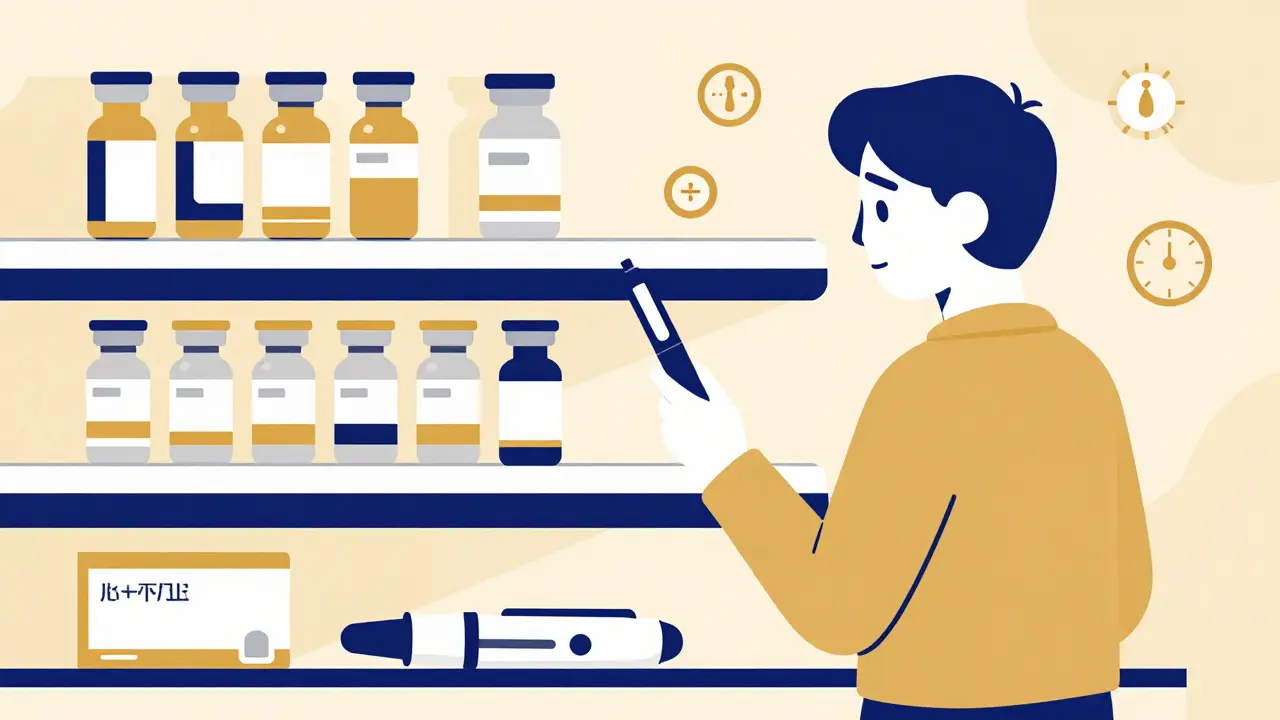
Picking the right diabetes medication can feel overwhelming. You stand in the pharmacy aisle, facing vials labeled Insulin Glargine is a long-acting insulin analog used to control blood sugar., Insulin Aspart is a rapid-acting insulin injection taken at mealtime., or Insulin Degludec is an ultra-long-acting insulin with minimal peak action.. Which one do you choose? It isn't just about chemistry; it is about fitting your life into a treatment plan that keeps you safe.
In 2026, we have more tools than ever before. Since the first isolation of insulin back in 1921, science has moved from animal-derived products to sophisticated analogs that mimic your body's natural rhythm. However, the core goal remains the same: maintaining blood glucose levels between 80-130 mg/dL fasting and under 180 mg/dL after meals. When done right, intensive therapy reduces serious complications significantly. But getting there requires understanding the difference between the types available to you today.
The Core Insulin Categories Explained
Medical professionals categorize insulin by how fast it starts working and how long it stays active. Knowing these timeframes helps you avoid dangerous low blood sugar (hypoglycemia).
Rapid-Acting Insulins: These are your mealtime heroes. Insulin Lispro has Humalog and starts working in 10-15 minutes. It peaks at 30-90 minutes and lasts about 3-5 hours. This makes it ideal for covering carb-heavy meals immediately. Other options in this class include insulin glulisine and insulin aspart.
Short-Acting Insulins: Often called "regular" human insulin, these start working in 30 minutes and peak in 2-3 hours. They last 5-8 hours. While effective, they require more planning ahead compared to rapid-acting options because you need to inject 30 minutes before eating to match the food's absorption.
Intermediate-Acting Insulins: Known widely as NPH (Neutral Protamine Hagedorn), these kick in 1-2 hours after injection and peak around 4-12 hours. They cover you for 12-18 hours. However, the unpredictable peaks of NPH often lead to nighttime lows, which is why many doctors prefer analogs now.
Long-Acting and Ultra-Long Insulins: These provide your "basal" coverage-the background insulin needed when you aren't eating. Insulin Glargine provides a steady release for 24 hours with minimal peaks. Insulin Degludec goes even further, lasting over 42 hours with a flat profile. This stability is crucial for preventing nocturnal hypoglycemia.
| Type | Onset Time | Peak Action | Duration |
|---|---|---|---|
| Rapid-acting | 10-15 mins | 30-90 mins | 3-5 hours |
| Short-acting | 30 mins | 2-3 hours | 5-8 hours |
| Long-acting | 1-4 hours | Minimal/Peakless | 24+ hours |
| Ultra-long | 6 hours | No pronounced peak | 42+ hours |
Matching Regimens to Your Lifestyle
Having the right insulin is one thing; having a regimen that fits your daily routine is another. Doctors usually prescribe a Basal-Bolus Regimen is a combination of long-acting basal insulin and rapid-acting bolus doses. for Type 1 diabetes and often for advanced Type 2 cases. This method mimics the pancreas: a baseline dose works overnight and between meals, while bolus doses cover what you eat.
If you prefer fewer injections, premixed insulins might sound tempting. Products like Humalog Mix 75/25 combine intermediate and rapid types in one pen. However, they offer less flexibility. If you skip a meal or decide to eat early, you still have to follow the fixed ratio. For most active lifestyles, the extra effort of separate basal and bolus injections provides better freedom and control.
Technology also changes the game. Insulin Pump delivers continuous subcutaneous insulin infusion through a cannula. Studies show pumps can reduce A1C by another 0.5-1.0% for motivated users. With hybrid closed-loop systems, the pump talks to a continuous glucose monitor and automatically adjusts basal rates. Satisfaction is high (around 78% in 2023 surveys), though site issues remain common.
Safety First: Minimizing Hypoglycemia Risks
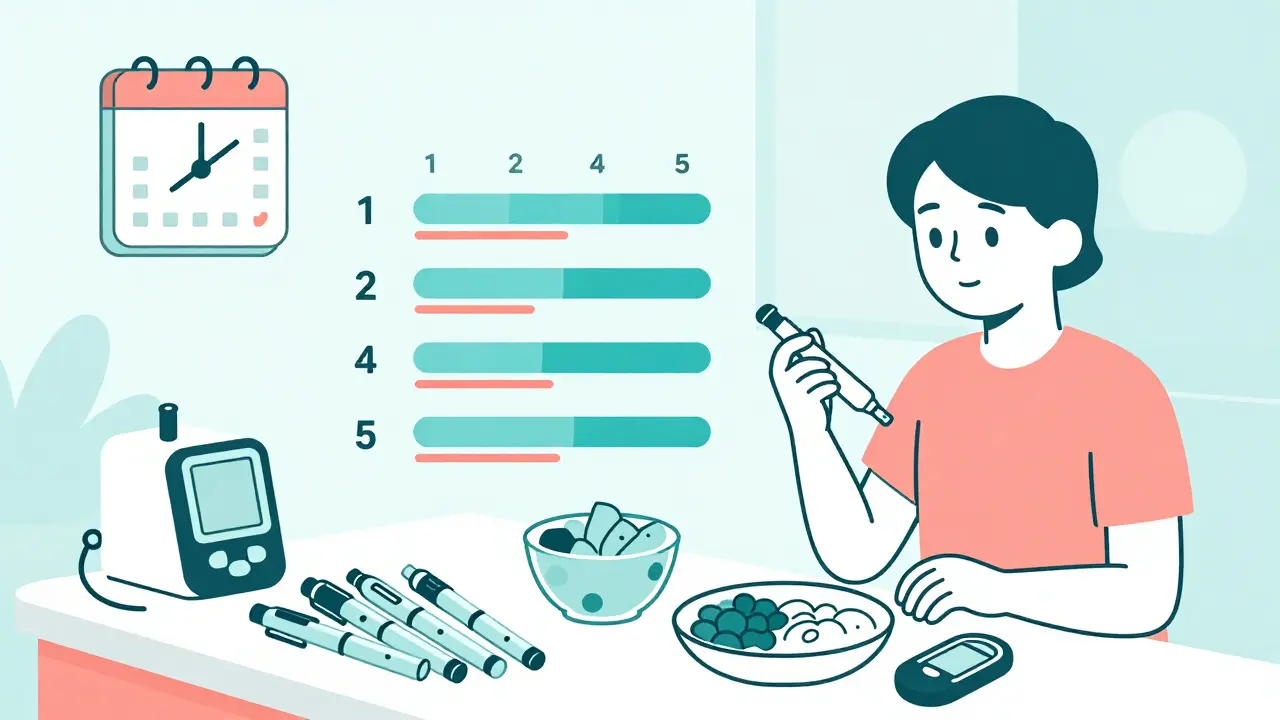
We cannot ignore the elephant in the room: low blood sugar events. Hypoglycemia occurs when blood glucose drops below 70 mg/dL causing symptoms. Older NPH insulins were notorious for this. Clinical trials showed glargine reduced nocturnal lows by up to 50% compared to NPH. If you wake up sweating or shaking at 3 AM, your intermediate insulin is likely too aggressive or peaking at the wrong time.
Newer analogs like degludec are designed to be safer. Data indicates a 40% lower risk of severe hypoglycemia compared to standard long-acting options. However, ultra-long insulins have a lag time. If you miss a dose, the effect builds slowly over 6 hours before hitting full strength. Conversely, if you switch dosages, it takes days to reach a new steady state. This "therapeutic inertia" means you need patience when adjusting your dose.
Always keep fast-acting carbs handy. Understanding your insulin sensitivity factor is key-typically 1 unit corrects every 30-50 mg/dL above target. If you get frequent lows, ask your doctor to adjust the basal component rather than adding snacks constantly.
Cost and Access Realities in 2026
Price barriers remain significant. Human insulin (like Humulin R) costs roughly $25-$35 at discount retailers. However, modern analogs often range from $250-$350 per vial without insurance. Despite policies like the Inflation Reduction Act capping costs at $35/month for Medicare beneficiaries in 2024, commercial plans and private payers still vary wildly.
This cost gap forces difficult choices. About 25% of dependent patients reported rationing insulin as recently as 2023 due to affordability. Biosimilars like Semglee are entering the market to drive prices down, capturing shares and offering cheaper alternatives to brand names. If budget is tight, talk to your specialist about switching to regular human insulin rather than skipping doses.
For those who cannot afford injections, other medications exist. GLP-1 receptor agonists (like semaglutide) offer similar glucose control with weight loss benefits but work differently. SGLT2 inhibitors protect kidneys and heart health. Yet, for severe hyperglycemia where A1C is over 9.5%, nothing beats insulin for potency.
What's New in Diabetes Care?
The landscape shifts quickly. In 2024, the first once-weekly insulin (icodec) received approval, matching the efficacy of daily shots with better adherence potential. Imagine carrying one pen instead of injecting seven times. While not yet ubiquitous in 2026, it represents the future trend.
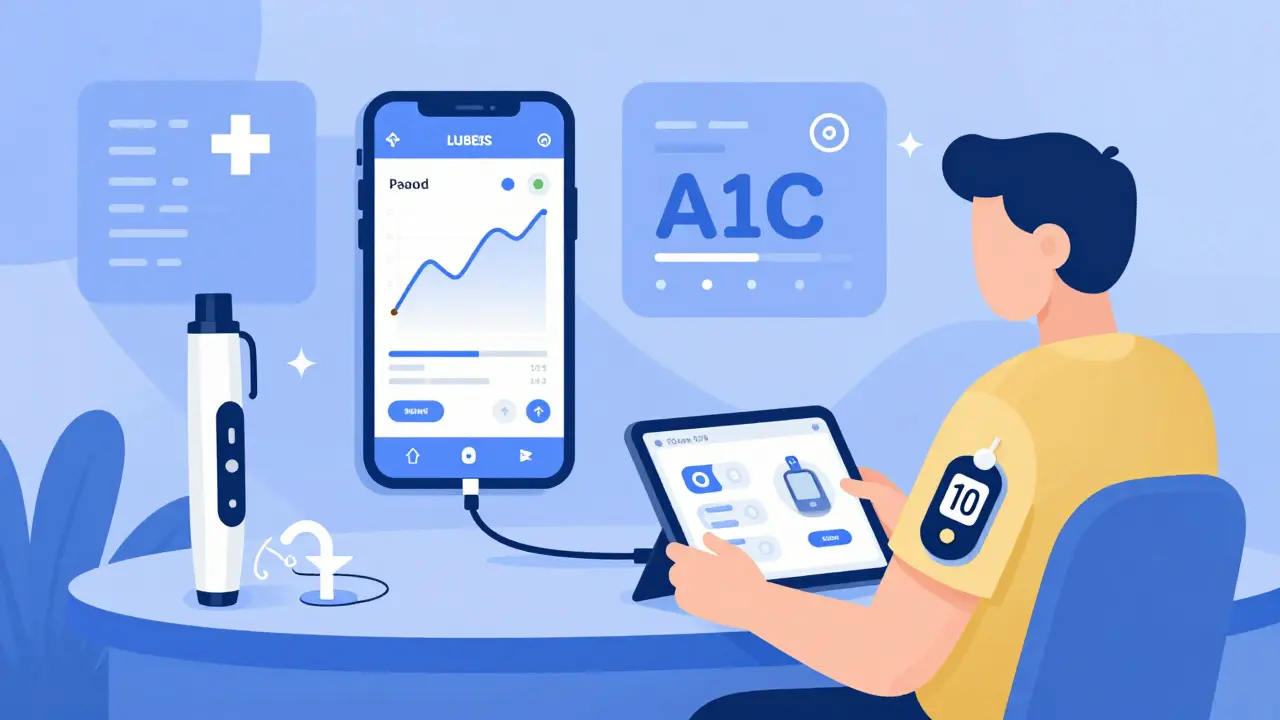
We are also seeing "smart insulin" trials where the hormone only activates when blood sugar rises. Oral formulations are in late-stage testing, promising easier administration. Until then, smart pens that track dose history help prevent mistakes. These tools pair with apps to analyze trends and suggest adjustments.
Remember, guidelines evolve. The American Diabetes Association updated 2024 standards recommend individualized targets. For healthy adults, aim for an A1C under 7%. If you have long-standing diabetes or other health issues, a range of 7-8% might be safer to avoid lows.
Which insulin is best for night-time control?
Long-acting analogs like insulin glargine or insulin detemir are preferred because they have a flatter profile with less risk of nocturnal hypoglycemia compared to intermediate NPH insulin.
Can I switch from NPH to analog insulin?
Yes, many patients benefit from switching. However, the conversion ratio varies. Typically, you need a slightly lower total daily dose of analog to achieve the same effect, so consult your doctor for precise calculations.
Is inhaled insulin a good option?
Afrezza is great for needle phobia but requires lung function monitoring. It works rapidly but is expensive and may not be suitable for smokers or those with chronic respiratory conditions like COPD.
How do I determine my starting insulin dose?
Starting doses vary by weight. A common rule is 0.2-0.4 units per kilogram for basal insulin. Always follow a structured education program like DAFNE to learn dose adjustments safely.
Does temperature affect insulin storage?
Unopened vials must stay refrigerated between 2-8°C. Once opened, most pens are stable at room temperature for 28-42 days. Never freeze insulin or expose it to direct sunlight.
Moving Forward Safely
You now know the basics of the options available. Whether you rely on a pump, a smart pen, or traditional vials, the goal is consistent control without fear of lows. Start by discussing your current A1C and any patterns of high or low readings with your care team. If cost is blocking your progress, ask about patient assistance programs or biosimilar alternatives. Managing diabetes is a partnership between you, your doctor, and the tools you choose.

Beth LeCours
April 2, 2026 at 08:28Insurance denies coverage for most modern pens anyway.
Goodwin Colangelo
April 3, 2026 at 05:09I have been managing diabetes for ten years now. It really helps to separate your basal needs from meal needs clearly. Many people struggle when they mix these two concepts together. Using a pen device makes accuracy much better than vials. You do not need to worry about drawing up air bubbles constantly. Rotating injection sites prevents lipodystrophy from forming under skin. Abdominal fat absorption is typically faster than thigh injections. Always keep your rapid insulin separate from your long acting vials. Temperature control matters a lot during summer travel seasons. Driving a car while injecting requires extreme caution with focus. We often forget that food absorption varies by temperature too. A cold drink slows down stomach emptying significantly. Spicy foods can sometimes accelerate gastric processing speed. Monitoring logs help you find patterns over several months easily. Remember that patience is required when changing your dosage plan.
HARSH GUSANI
April 3, 2026 at 08:12The system is rigged against regular people 🚫💰💊. Pharma companies set prices way higher than production cost. Government should cap prices immediately instead of waiting. Most patients suffer because of profit motives not medical needs.
The Charlotte Moms Blog
April 3, 2026 at 14:32This is terrifying!!! For young children!!! Parents are not prepared!!! Safety risks are huge!!!
Aysha Hind
April 4, 2026 at 08:07Big pharma keeps us scared so we buy newer drugs constantly. The old stuff works just fine but profits drop. They engineer fear around hypoglycemia to sell analogs. You should research independent clinical trials online.
Divine Manna
April 6, 2026 at 05:41The pharmacokinetics of glargine differ significantly from detemir profiles. Peakless action reduces nocturnal events effectively compared to intermediate human insulins. Onset times vary based on subcutaneous blood flow rates. Injection technique influences absorption velocity considerably.
Joseph Rutakangwa
April 7, 2026 at 05:14True. Tech helps but basics matter most.
Lawrence Rimmer
April 7, 2026 at 07:47Suffering is inherent to chronic disease management. We must accept the burden of vigilance daily. Modern tools merely shift the anxiety elsewhere. True peace comes from internal discipline.
Hudson Nascimento Santos
April 8, 2026 at 10:02Existence involves adaptation to biological constraints constantly. Technology is an extension of our will to survive. Yet dependence creates vulnerability to external supply chains. Balance is the only stable state achievable here.
Sakshi Mahant
April 9, 2026 at 21:50In many rural areas logistics remain a significant challenge for storage. Cold chain maintenance is difficult during power outages. Community sharing programs help bridge gaps in access temporarily. We respect individual choices made under financial strain.
Rob Newton
April 10, 2026 at 19:03Most people can function on basic human insulin without issues.
Joey Petelle
April 11, 2026 at 01:06That is a fantasy for those who actually care about quality of life. Only desperate individuals settle for unpredictable peaks and crashes. Why do you ignore the stability benefits offered by analogs?
Vicki Marinker
April 13, 2026 at 01:01I wake up sweating every night despite following the schedule perfectly. The silence of low sugar alarms feels deafening sometimes. I wonder why doctors push doses higher when comfort drops.
Dee McDonald
April 13, 2026 at 02:55You are stronger than any machine monitoring you right now. Fight back by adjusting basal rates aggressively if numbers demand it. Demand answers from your endocrinologist next visit today. Push through the fear and claim your freedom back.