
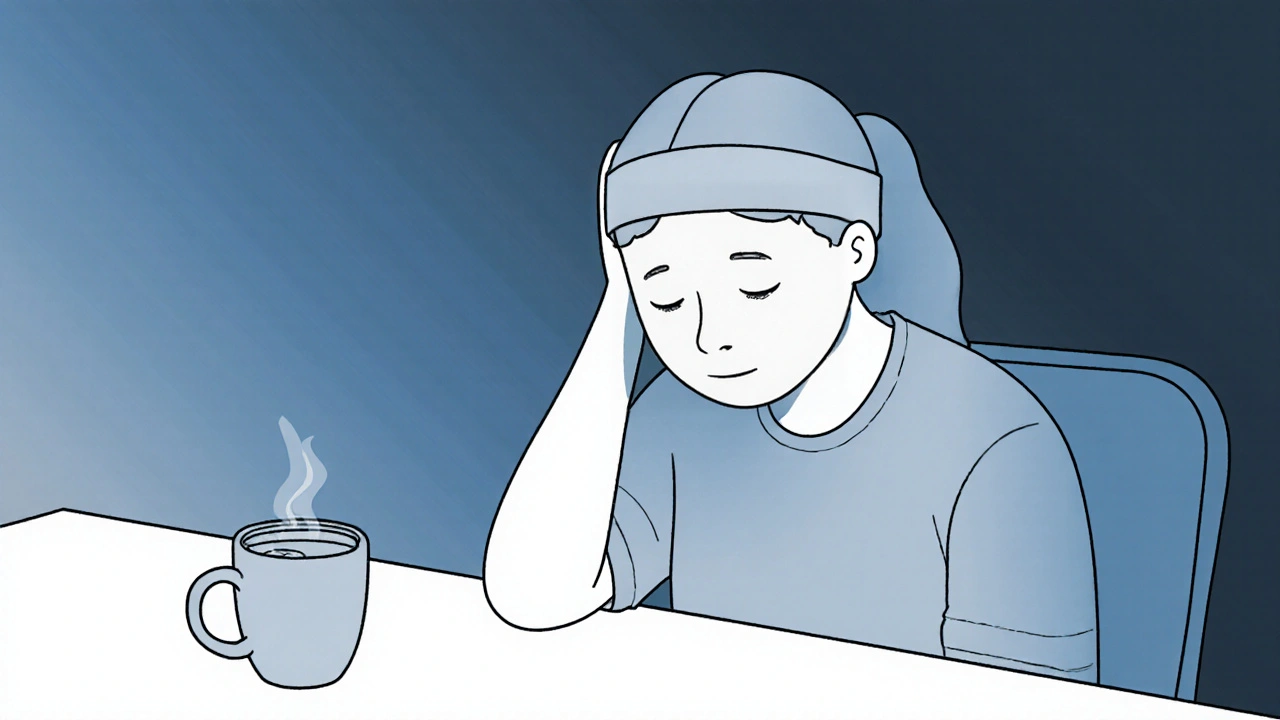
Tension, migraine, and cluster headaches are three distinct conditions with different causes, symptoms, and treatments. Learn how to tell them apart and what to do next.
Headache Symptoms: What They Mean and When to Worry
When you feel that pounding or squeezing pain in your head, it’s not just discomfort—it’s your body sending a signal. Headache symptoms, pain or discomfort in the head, scalp, or neck that can range from mild to disabling. Also known as cephalalgia, these symptoms are one of the most common reasons people seek medical advice. But not all headaches are created equal. Some are harmless, triggered by stress or lack of sleep. Others, like migraine, a neurological condition causing severe throbbing pain, often with nausea and light sensitivity, can wreck your day for hours or even days. Then there’s tension headache, the most common type, felt like a tight band around the head, often linked to stress or poor posture. And don’t ignore cluster headache, an excruciating, recurring pain on one side of the head, often around the eye, that strikes in cycles. These aren’t just "bad headaches"—they’re distinct conditions with different causes, triggers, and treatments.
What makes headache symptoms tricky is how easily they overlap. A migraine can feel like a sinus headache. A tension headache can sneak up after a long day at the computer. And then there’s medication overuse headache, a rebound headache caused by taking pain relievers too often, turning a treatable issue into a chronic cycle. This one’s sneaky—you think you’re helping, but you’re actually making it worse. The key isn’t just to numb the pain, but to understand the pattern. Is it always on one side? Does it come with nausea, vision changes, or sensitivity to light? Does it wake you up at night? These details matter. They help doctors tell the difference between a harmless flare-up and something that needs urgent attention, like a brain bleed, infection, or high blood pressure crisis.
You don’t need to guess what’s going on. The posts below give you real, practical breakdowns of what different headache symptoms look like, what triggers them, and how they connect to other health issues—from drug interactions that cause head pain to how chronic pain affects your sleep, mood, and even your heart. You’ll find clear comparisons, warning signs to watch for, and what steps to take next. No fluff. No guesswork. Just what you need to know to make sense of your head pain and talk to your doctor with confidence.