
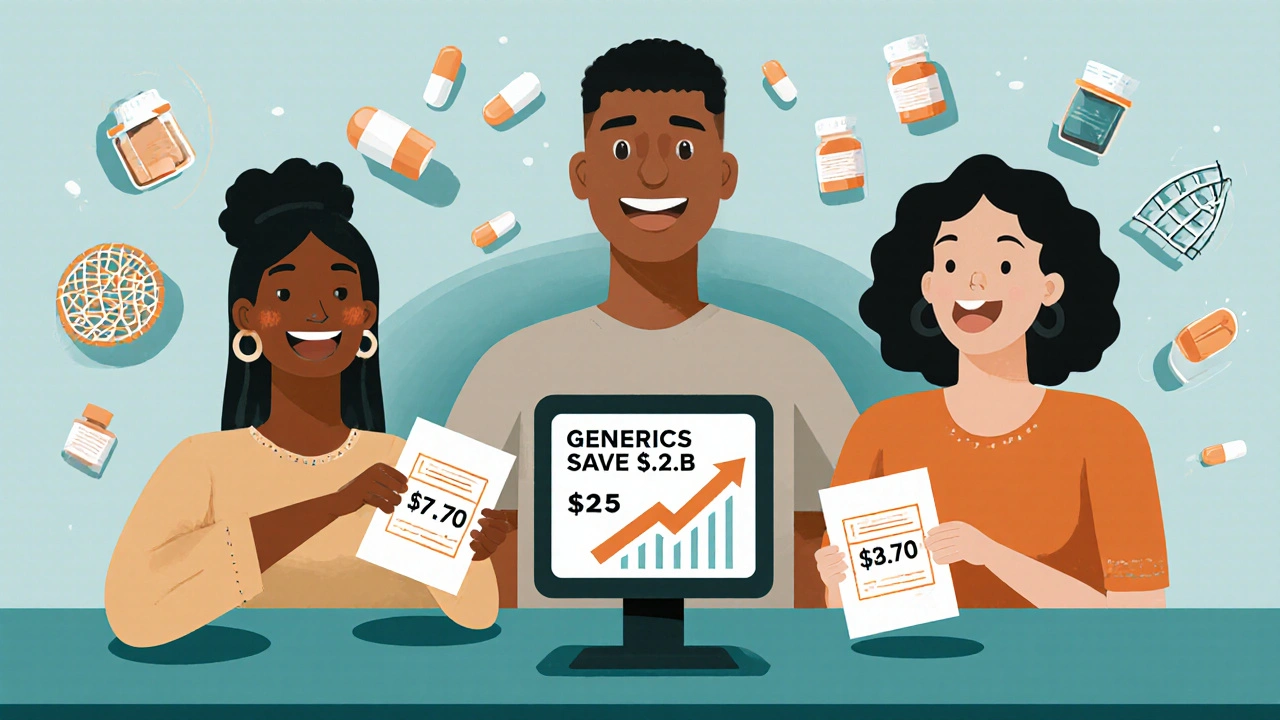
Australia's Pharmaceutical Benefits Scheme (PBS) subsidizes prescription drugs, making medicines affordable for millions. This overview explains how PBS works, the role of generic drugs, co-payment changes, and the real impact on patients and the healthcare system.
Generic Medicines: What They Are, How They Work, and Why They Matter
When you hear generic medicines, lower-cost versions of brand-name drugs that contain the same active ingredients and meet the same safety and effectiveness standards. Also known as generic drugs, they are the backbone of affordable healthcare worldwide. They’re not cheaper because they’re weaker—they’re cheaper because the patent expired, and other manufacturers can make them without repeating expensive research. The FDA requires these versions to perform the same way in your body as the original, down to the absorption rate and dosage. That’s why your doctor can switch you from Lipitor to atorvastatin and you won’t notice a difference—if the system works right.
But not all generics are created equal. Behind every pill is a complex web of pharmaceutical quality, the strict standards that ensure every batch of medicine is safe, pure, and consistent. Cleanrooms, controlled environments, and FDA inspections keep contaminants out and potency in. That’s why generic substitution, when a pharmacist swaps a brand-name drug for its generic equivalent. isn’t just a cost-saving trick—it’s a regulated process. Hospitals don’t pick generics just because they’re cheap. They look at supply reliability, batch consistency, and even how often a generic causes unexpected side effects. Some switches backfire because of tiny differences in fillers or coatings, even if the active ingredient is identical.
Then there’s the gap between biosimilars, highly similar versions of complex biologic drugs made from living cells. and true generics. Biologics like Humira or Enbrel can’t be copied exactly like aspirin. That’s why biosimilars need years of testing and aren’t labeled as generics. They’re close—but not identical. And while generics saved billions in the U.S. over the last decade, patent fights and manufacturing delays still block access. Cases like lenalidomide show how legal battles can delay affordable options for years, even after patents expire.
And here’s what most people don’t realize: your pharmacy’s choice of generic isn’t random. It’s often driven by contracts between manufacturers and pharmacy benefit managers. One hospital might use one version of metformin because it’s cheaper in bulk. Another uses a different one because it has fewer reports of stomach upset. That’s why some patients notice differences—even if science says they shouldn’t.
What you’ll find here isn’t just theory. These articles dig into real-world issues: how cleanroom standards keep generics safe, why hospitals make the choices they do, how physicians protect themselves when prescribing generics, and why some people get different results with the same drug. You’ll learn how pricing, regulation, and human factors shape what ends up in your medicine cabinet. No fluff. No marketing. Just what matters when your health depends on a pill you can’t afford to get wrong.