
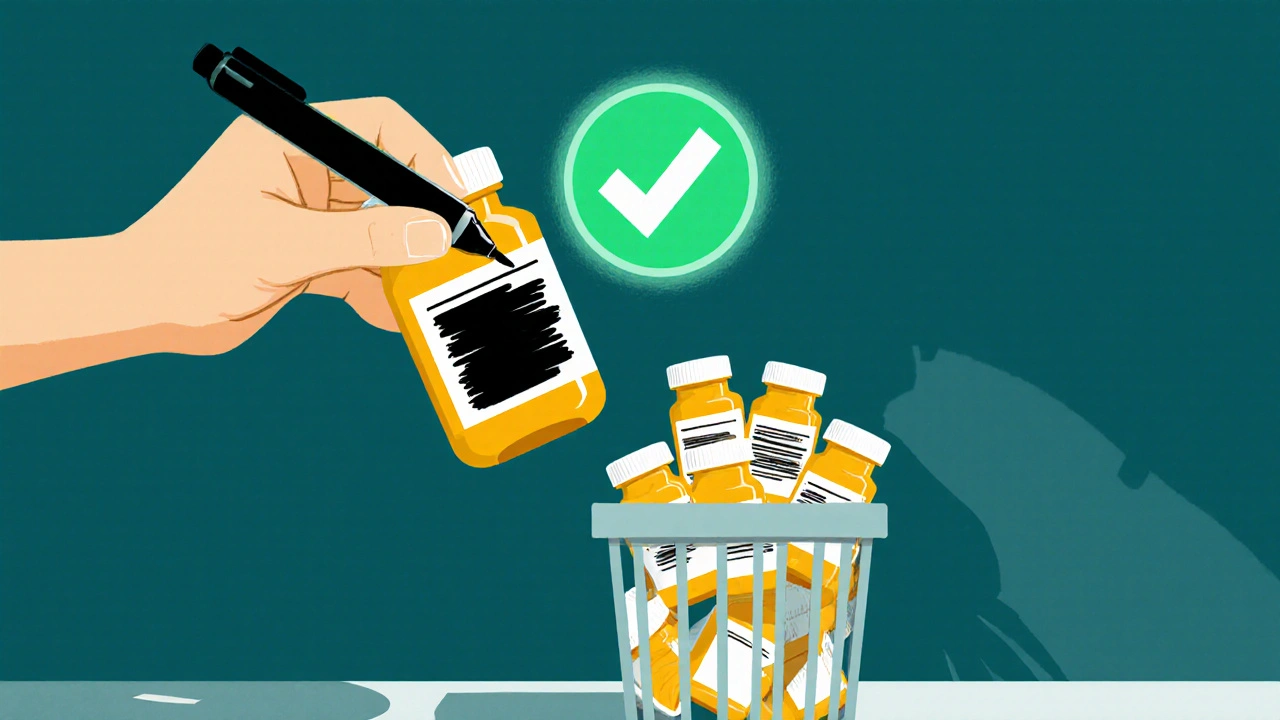
Learn how to protect your privacy when disposing of medications by properly removing personal info from prescription bottles, using take-back programs, and avoiding risky disposal methods that can lead to identity theft.
Dispose Medications Safely: How to Do It Right and Why It Matters
When you dispose medications safely, the proper removal of unused or expired drugs to prevent harm to people, pets, and the environment. Also known as drug disposal, it’s not just about cleaning out your medicine cabinet—it’s a public health step that stops pills from ending up in water supplies, kids’ hands, or the wrong person’s pocket.
Many people still flush pills down the toilet or toss them in the trash, thinking it’s harmless. But the FDA drug disposal, the official guidelines set by the U.S. Food and Drug Administration for handling unused pharmaceuticals clearly says: don’t flush unless the label says to. Why? Because water treatment plants can’t filter out all drugs, and traces end up in rivers, lakes, and even drinking water. Even more dangerous: leftover painkillers, sedatives, or antibiotics in the home are a major cause of accidental overdoses and misuse, especially among teens and older adults.
There are better ways. The safest route is a pharmaceutical waste, unused or expired medications collected for proper destruction through authorized programs drop-off site—like a pharmacy, hospital, or police station with a take-back bin. These programs ensure drugs are incinerated under strict controls, so they never re-enter the environment. If no drop-off is nearby, the FDA says you can mix pills with something unappetizing (like coffee grounds or cat litter), seal them in a container, and throw them in the trash. Always remove or black out personal info on the bottle first. And never give your meds to someone else, even if they have the same symptoms.
Why does this matter? Because every year, thousands of poisonings and overdoses happen because someone found an old pill bottle. Kids get into medicine. Pets chew through trash. Addicts search for leftovers. And the environment pays a price too—fish showing signs of hormonal disruption, soil contaminated with antibiotics. This isn’t theoretical. Studies from the CDC and EPA show that improper disposal contributes to rising drug abuse and ecological damage. The fix? Simple, consistent action.
You don’t need to be a pharmacist to do this right. Just check your local pharmacy’s website—they often list drop-off locations. Or visit the DEA’s National Prescription Drug Take Back Day page (no links, but it’s a real program). Keep a small box in your medicine cabinet for expired pills. Make it a habit every spring and fall. If you’re caring for an elderly parent or a child on chronic meds, this is part of your job. It’s not glamorous, but it’s necessary.
Below, you’ll find real-world guides on what to do with leftover painkillers, antibiotics, psychiatric meds, and even over-the-counter drugs. You’ll see how hospitals, pharmacies, and families handle this every day—and what happens when they don’t. These aren’t theoretical tips. They’re based on actual cases, regulations, and safety reports. Whether you’re cleaning out a closet, helping a loved one, or just trying to do the right thing, this collection gives you the clear, no-fluff steps to follow.