
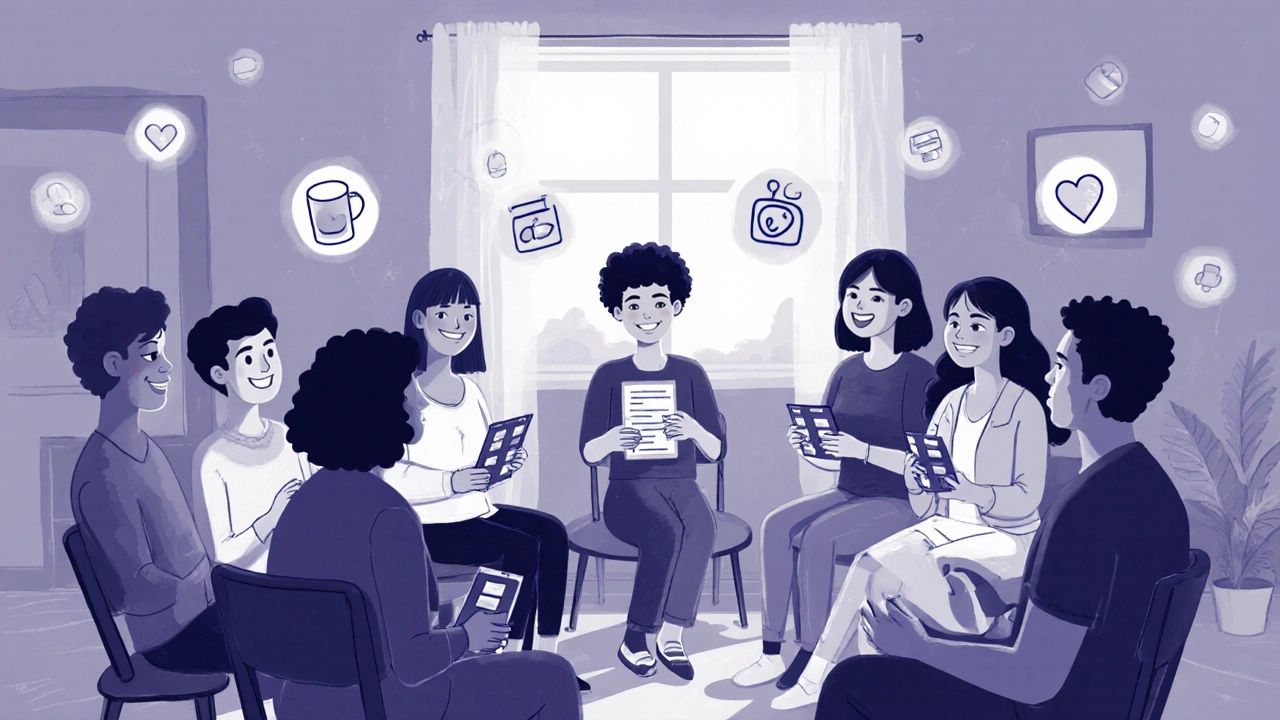
Support groups and community programs dramatically improve medication compliance by offering peer support, practical tips, and emotional connection - not just information. Real data shows they cut hospital readmissions and save billions.
Community Health Programs: What They Are and How They Keep You Well
When we talk about community health programs, organized efforts by local groups, clinics, or governments to improve health outcomes for a specific population. Also known as public health initiatives, they’re not just about hospitals or prescriptions—they’re about making sure people get the support they need before they get sick. These programs show up in schools, churches, libraries, and even parking lots, offering things like free blood pressure checks, vaccination drives, or classes on managing diabetes. They’re not fancy, but they work.
What makes them different from regular doctor visits? They focus on preventive care, actions taken to stop disease before it starts, like nutrition education or smoking cessation, not just treating symptoms after they appear. For example, a program in rural Ohio doesn’t just hand out insulin—it teaches people how to read food labels, connects them with low-cost produce, and sets up weekly walking groups. That’s how you change outcomes. And it’s not just about money. Many of these programs tackle health equity, the fair distribution of health resources so everyone, no matter their income or background, has the same shot at staying well. That’s why you’ll find programs targeting seniors in apartment buildings, teens in high schools, or immigrants learning how to navigate the U.S. healthcare system. They’re built on trust, not just data.
These efforts don’t happen in a vacuum. They rely on local health services, the frontline workers—nurses, community health workers, volunteers—who know the neighborhood, the language, and the barriers people face. A study from the CDC showed that when community health workers are involved, hospital readmissions drop by up to 30%. That’s not magic. It’s someone showing up at your door with a pill organizer, helping you call your pharmacy, or walking you through how to use an inhaler. And it’s happening right now—in cities, towns, and even remote areas where clinics are miles away.
You won’t find these programs in big pharmaceutical ads. But you’ll find them in the quiet corners of your town: the free flu shots at the YMCA, the cooking class for people on dialysis, the support group for parents managing a child’s asthma. These aren’t side projects. They’re the backbone of real health improvement. And the posts below show exactly how they connect to everyday health issues—from safely disposing of meds to managing dry mouth, from reporting drug side effects to understanding how generics are chosen for hospitals. Each one ties back to the same truth: health doesn’t start in a lab. It starts in your neighborhood.