
Antihistamine Overdose Risk Calculator
How This Tool Works
This calculator helps determine if an antihistamine dose may require medical attention based on:
- Antihistamine type (first vs second generation)
- Amount ingested
- Age/weight of the person
Remember: Always call Poison Control at 1-800-222-1222 for any suspected overdose. This tool provides general guidance but does not replace professional medical advice.
Key Takeaways
- Call Poison Control at 1-800-222-1222 immediately if you suspect an overdose; do not wait for symptoms to appear.
- Never induce vomiting unless explicitly instructed by a medical professional, as it increases aspiration risk.
- First-generation antihistamines like diphenhydramine pose higher cardiac risks than second-generation options.
- Hospital treatment focuses on cardiac monitoring, activated charcoal, and managing agitation with benzodiazepines.
- Observation periods typically last 4 to 6 hours, but severe cases may require 24 to 48 hours of care.
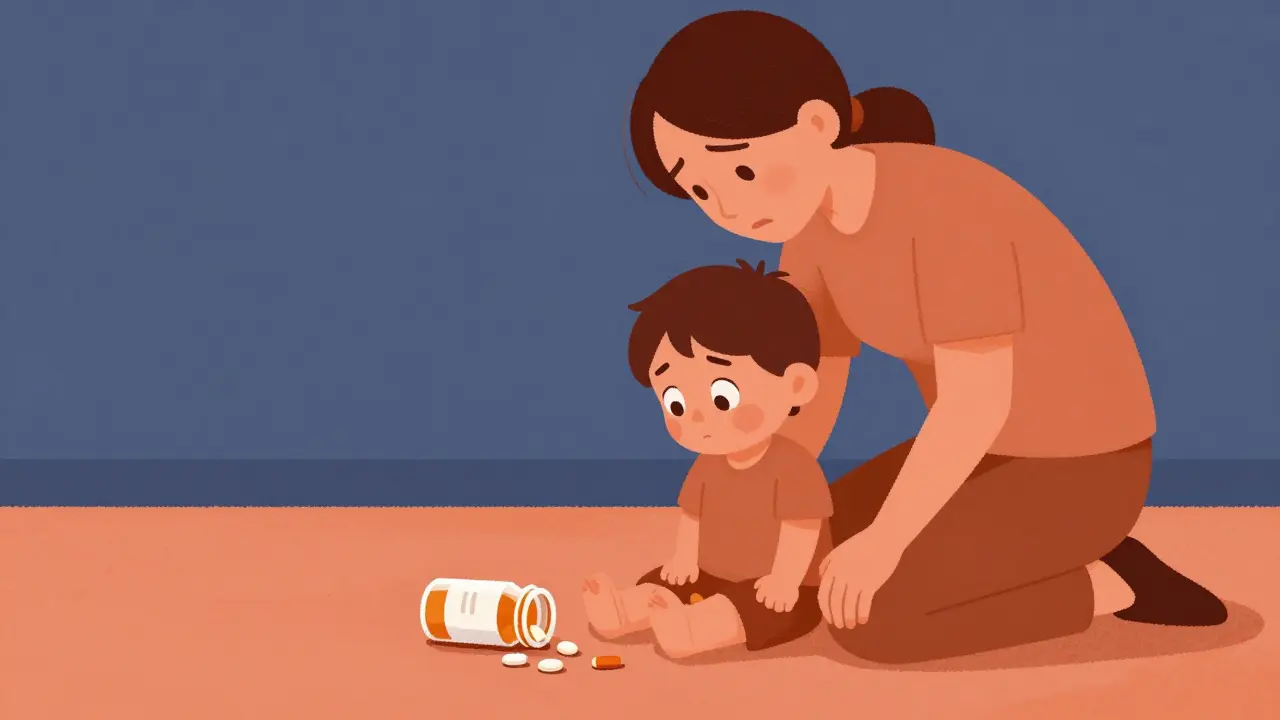
Imagine this: you walk into a room and find a child sitting on the floor with a spilled bottle of allergy medicine. Or perhaps an adult friend is acting strangely agitated after taking "just a few extra pills" for a bad night's sleep. These scenarios are more common than you might think. According to the American Association of Poison Control Centers, the leading organization tracking poison exposures in the United States, antihistamines consistently rank among the top 10 most common substances involved in pediatric exposures. In 2022 alone, they accounted for approximately 5.7% of all pediatric poisoning cases. While most cases end without severe harm, the window between ingestion and life-threatening complications can be narrow. Knowing the exact first steps can mean the difference between a home observation and a trip to the intensive care unit.
Antihistamine overdose is not just about being sleepy. It is a systemic issue that can affect the heart, the nervous system, and the ability to breathe. The core value of understanding this emergency is that timely intervention prevents severe complications, including cardiac arrhythmias and respiratory failure. Research from a 2023 NCBI StatPearls review highlights a 99.9% survival rate for patients who receive appropriate medical care, but that statistic relies on quick action. This guide breaks down exactly what you need to do, what doctors will do, and how to spot the danger signs before they become critical.
Recognizing the Symptoms of Antihistamine Toxicity
Before you can treat the problem, you need to identify it. Symptoms vary significantly depending on the type of antihistamine ingested. There are two main generations of these drugs, and they behave differently in the body. First-generation antihistamines, such as Diphenhydramine (Benadryl), a sedating antihistamine with anticholinergic properties, chlorpheniramine, and promethazine, are the usual suspects in serious overdoses. These drugs cross the blood-brain barrier easily and block acetylcholine, leading to a specific set of symptoms often called "anticholinergic toxidrome."
If someone has taken too much of a first-generation antihistamine, look for these signs:
- Extreme drowsiness or confusion (delirium).
- Rapid heart rate (tachycardia).
- Dilated pupils that do not react to light.
- Flushed, dry skin and a dry mouth.
- Inability to urinate (urinary retention).
- Seizures or hallucinations in severe cases.
Second-generation antihistamines like loratadine, cetirizine, and fexofenadine are marketed as "non-sedating" and generally cause milder symptoms. However, massive overdoses can still lead to dizziness, tachycardia, and in rare cases, QT prolongation. A 2020 study in Pediatric Emergency Care analyzed over 9,000 cases and found that first-generation antihistamines caused serious outcomes in 1.8% of cases, compared to just 0.2% for second-generation ones. Diphenhydramine specifically accounted for 83% of serious outcomes in children under 6 years old. This distinction matters because it dictates how aggressively medical teams will treat the patient.
Immediate First Aid Steps You Can Take
Time is the most critical factor in the first few hours after ingestion. The most dangerous period is the first 4 to 6 hours, when cardiac effects peak. Here is the exact sequence of actions you should take if you suspect an overdose.
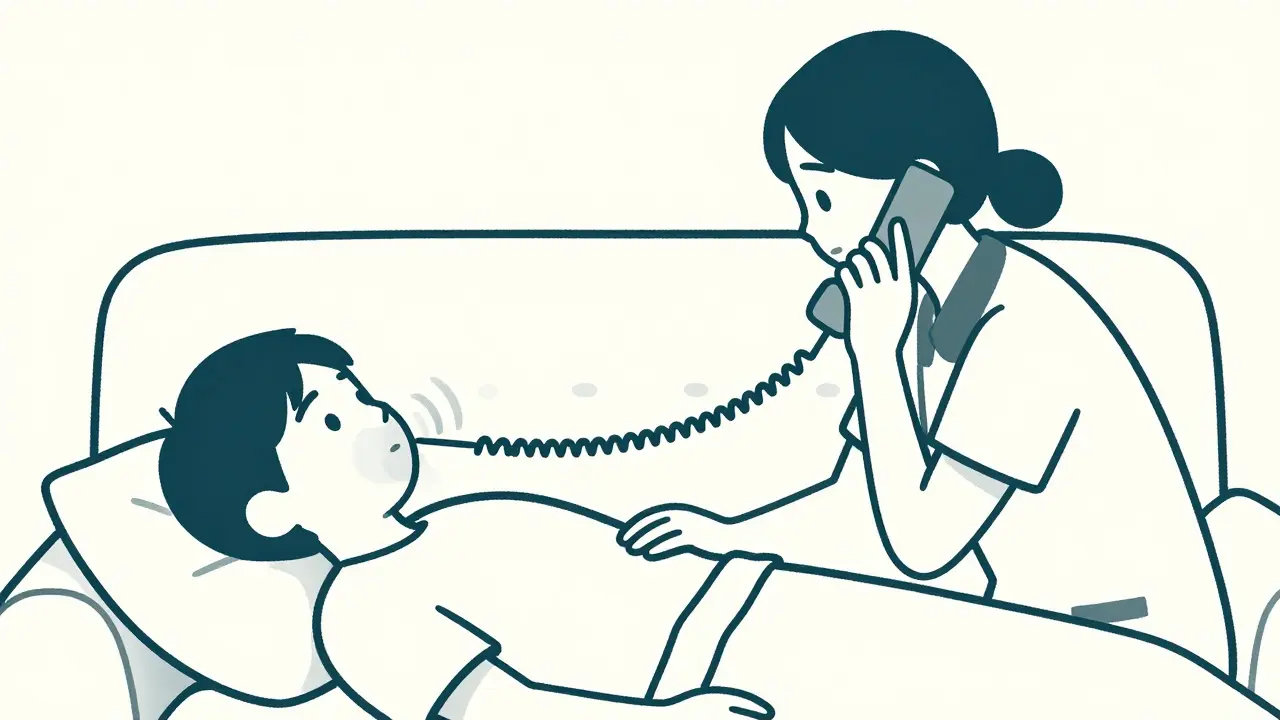
- Call Poison Control Immediately. In the United States, dial 1-800-222-1222. This is the first step recommended by major institutions like the Mayo Clinic. Do not wait for symptoms to develop. The experts on the line can tell you if the amount ingested requires a hospital visit or if home observation is safe. They handle millions of cases annually and provide specific advice based on the drug and the patient's weight.
- Remove Remaining Medication. If the person has pills in their mouth, remove them. Gather all medication containers to give to emergency responders. Knowing the specific compound is critical because treatment differs between first and second-generation compounds.
- Do Not Induce Vomiting. This is a common misconception. The Mount Sinai Health System, a major medical center providing poison control guidance emphasizes that you should not make the person throw up unless a health care provider tells you to. Vomiting increases the risk of aspiration, where stomach contents enter the lungs, which can be fatal in a drowsy patient.
- Check Breathing and Consciousness. If the person is unconscious or having trouble breathing, call 911 immediately. Monitor their breathing rate and pulse until help arrives.
- Rinse Skin or Eyes if Exposed. If liquid antihistamine got on the skin, rinse for 15 to 20 minutes in a shower. For eye exposure, flush with cool water for 20 minutes continuously.
Real-world feedback from parents on forums like Reddit shows that calling Poison Control is the most effective action. In a March 2023 thread, a parent reported their 2-year-old consuming 25 to 50 mg of diphenhydramine. Poison Control recommended home observation because the estimated ingestion was under the 7.5 mg/kg threshold for their child, instructing them to watch for rapid heartbeat or inability to urinate. This specific guidance prevents unnecessary ER visits while ensuring safety.
Hospital Treatment Protocols and Monitoring
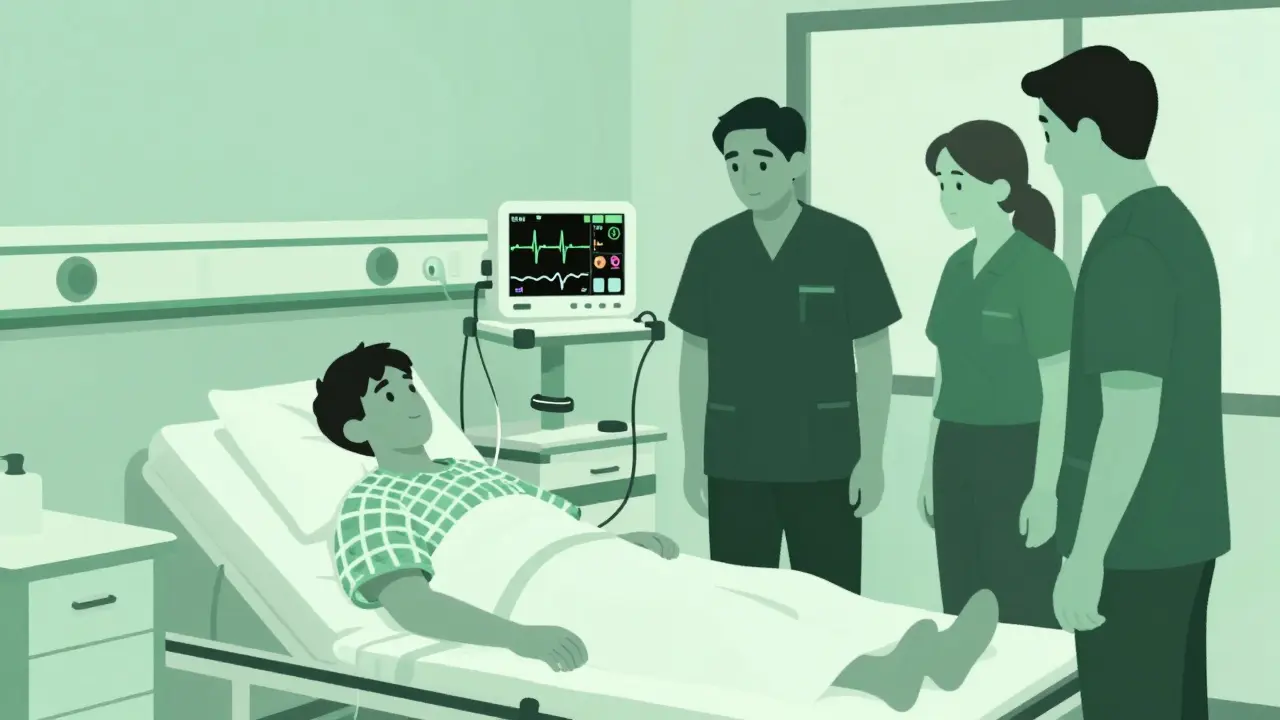
If you go to the emergency department, the medical team will follow specific protocols based on the severity of the ingestion. The goal is stabilization and preventing further absorption. For ingestions exceeding 300 mg in adults, continuous EKG monitoring is essential. This is because large overdoses can cause sodium channel blockade, leading to QRS widening on the EKG.
Here is what you can expect during hospital treatment:
| Treatment | Purpose | Typical Dosage/Timing |
|---|---|---|
| Activated Charcoal | Prevents further absorption of the drug from the stomach | 25-100 grams for adults; given within 1-2 hours |
| Sodium Bicarbonate | Treats cardiac toxicity and QRS widening | Considered if heart rate >120 bpm and QRS >120 ms |
| Benzodiazepines | Controls agitation, seizures, and delirium | First-line treatment for behavioral symptoms |
| IV Fluids | Supports blood pressure and hydration | Administered based on patient needs |
Activated charcoal is often administered within 1 to 2 hours of ingestion. It acts like a sponge, binding to the drug in the stomach so it cannot enter the bloodstream. However, it is not used if the patient has a compromised airway. For cardiac issues, sodium bicarbonate infusion is a game-changer. A landmark study in the New England Journal of Medicine (2022) demonstrated that high-dose sodium bicarbonate significantly reduced QRS duration in diphenhydramine overdose cases. The target serum pH is usually 7.45 to 7.55. This alkalization helps reverse the sodium channel blockade caused by the drug.
For agitation or seizures, benzodiazepines are the standard of care. The American College of Medical Toxicology's 2022 consensus guidelines recommend against using physostigmine for antihistamine-induced delirium due to potential cardiac risks. Instead, they support benzodiazepines as the first-line treatment. This shift in protocol highlights how medical management evolves to prioritize safety. Dr. Christopher Borowy, author of the NCBI StatPearls chapter on Antihistamine Toxicity, notes that attempts to increase renal elimination are in vain because antihistamines bind extensively to plasma proteins. This means the body must metabolize the drug naturally, which takes time.
Understanding the Risk: First-Gen vs. Second-Gen
Not all antihistamines carry the same weight of risk. Understanding the difference helps you assess the urgency. First-generation antihistamines have anticholinergic, alpha-adrenergic, and sodium channel blocking properties. This makes them dangerous in high doses because they can mimic tricyclic antidepressant overdose. They affect the heart's electrical system directly.
Second-generation antihistamines like Cetirizine, a non-sedating antihistamine with lower toxicity risk and loratadine rarely cause significant toxicity at standard doses. However, massive overdoses (exceeding 10 times the therapeutic dose) can still cause issues. The Royal Children's Hospital Melbourne Clinical Practice Guidelines updated in 2023 note that while these are safer, they are not risk-free. The FDA issued a black box warning in 2006 regarding promethazine, a first-generation drug, associating it with sudden infant death when used for sedation. This is why regulatory bodies like the FDA and European Medicines Agency have issued restrictions on sedating antihistamines for young children.
In the United States, 67% of antihistamine overdose cases involve children under 6 years, with the majority occurring in children 1 to 2 years old who access medications left within reach. The American Association of Poison Control Centers reports that 42% of pediatric antihistamine exposures involve dosing errors. Parents often confuse dosing cups or accidentally give double doses. This data underscores the importance of storage and careful measurement.
Prevention and Long-Term Safety
Emergency treatment is vital, but prevention is better. The global antihistamine market was valued at $5.8 billion in 2022, meaning these drugs are everywhere. Over 70 million Americans use them annually. To keep your home safe:
- Store medications in a locked cabinet, not just a high shelf.
- Use child-resistant packaging and check that it is functioning correctly.
- Never refer to medicine as "candy" to a child.
- Dispose of old medications properly through take-back programs.
- Keep the Poison Control number (1-800-222-1222) saved in your phone.
Community awareness remains low. A 2021 survey by the University of Pittsburgh found only 38% of parents could correctly identify when to seek emergency care for medication overdoses. Education is a key part of the solution. Training for first responders is provided through organizations like the National Capital Poison Center, which certified over 12,450 healthcare professionals in 2022. As a caregiver, your knowledge is the first line of defense.
Frequently Asked Questions
How long does an antihistamine overdose last?
The standard observation period is 4 to 6 hours after ingestion, or until the patient is asymptomatic. For moderate to severe overdoses requiring hospital admission, the median length of stay is approximately 22.7 hours. Some cases may require up to 48 hours of cardiac monitoring.
Should I give water if someone overdoses?
Do not give large amounts of water or food unless instructed by Poison Control. If the person is drowsy, giving liquids increases the risk of choking or aspiration. Wait for professional medical advice.
What is the difference between Benadryl and Zyrtec overdose?
Benadryl (diphenhydramine) is a first-generation antihistamine that can cause severe heart rhythm issues and delirium. Zyrtec (cetirizine) is a second-generation antihistamine that generally causes milder symptoms like dizziness, though massive overdoses can still be dangerous.
Can I go home after a small overdose?
For ingestions under 7.5 mg/kg in children under 6 years, or less than 300 mg for adults, home observation may be recommended by Poison Control. However, this decision must be made by a professional based on the specific amount and patient history.
Why do they check the heart rate in the ER?
Antihistamines can block sodium channels in the heart, leading to QRS widening on an EKG. A heart rate exceeding 120 bpm combined with QRS duration greater than 120 milliseconds indicates a need for sodium bicarbonate treatment to prevent cardiac arrest.
What to Do Next
If you are reading this because you are currently facing a potential overdose situation, stop reading and call 1-800-222-1222. If you are reading this to prepare for the future, ensure your home is safe and that you have the Poison Control number saved. The fundamental approach to antihistamine overdose hasn't changed in 20 years because it works: supportive care, activated charcoal when appropriate, and benzodiazepines for agitation remain the cornerstone of management. However, emerging concerns include combination products containing multiple antihistamines or undisclosed ingredients in "natural" remedies. Always check labels carefully.
Remember that 79% of antihistamine overdoses are unintentional. Accidents happen, but the outcome depends on your reaction. By knowing the signs, avoiding the urge to induce vomiting, and seeking professional guidance immediately, you can ensure the best possible outcome. The 99.9% survival rate is a testament to the effectiveness of modern toxicology, but it requires you to act as the trigger for that care system.

Kameron Hacker
March 27, 2026 at 02:28The distinction regarding sodium channel blockade is critical for anyone dealing with toxicology. Ignoring this protocol leads to preventable mortality. Medical staff must adhere strictly to the EKG monitoring guidelines.
Poppy Jackson
March 28, 2026 at 05:04omg this scares me so much i keep my meds locked up tight now
Jeannette Kwiatkowski Kwiatkowski
March 28, 2026 at 09:52people who leave meds accessible are idiots honestly
Aaron Olney
March 28, 2026 at 12:05you dont know my situation i had to deal with this last week and it was a real nightmare
Paul Vanderheiden
March 28, 2026 at 23:56so glad this info is out there everyone stay safe and keep those kids happy and healthy!!
Jordan Marx
March 29, 2026 at 10:55QRS widening is the primary indicator for sodium bicarb administration in TCA-like toxicity profiles. This mechanism is often overlooked by general practitioners. We need better education on cardiac conduction abnormalities.
kendra 0712
March 29, 2026 at 13:54exactly! the qrs duration matters so much for treatment decisions!!
Sophie Hallam
March 30, 2026 at 04:25Storage safety is definitely the most preventable factor here.
Rohan Kumar
March 31, 2026 at 06:28pharma companies want you sick but at least the poison control line is real 🤔💊
Sabrina Herciu
March 31, 2026 at 09:30poison control is staffed by certified toxicologists who are very helpful in these scenarios.
Philip Wynkoop
April 1, 2026 at 10:48This information is vital for keeping families safe :)
Richard Kubíček
April 3, 2026 at 06:49The margin between a sedative and a toxin is thin. We must respect the chemistry of these compounds. It changes everything about how we view household safety.
Monique Ball
April 5, 2026 at 04:32I really appreciate the detailed breakdown here because so many people do not understand the difference between the generations. It is so important to know that first gen is way more dangerous for the heart. I have seen people make mistakes with the dosing cups. It is scary to think about how close accidents can happen. We need to be more vigilant with storage. The activated charcoal part is interesting too. I never knew they used that specifically for binding. The benzodiazepines help with the agitation which makes sense. Safety is key for everyone. Parents often underestimate the potency of these pills. My neighbor had a scare with their toddler last year. They called poison control right away and it saved the day. Waiting for symptoms to appear is a terrible idea. The cardiac monitoring is what really keeps people alive in severe cases. Everyone should save that number in their phones immediately. 🩺💊
gina macabuhay
April 6, 2026 at 09:41You are preaching to the choir but most people are too lazy to lock their cabinets. Your children are at risk because of negligence.
Monique Louise Hill
April 7, 2026 at 04:04Exactly! Stop being careless with dangerous chemicals in your home! 😤🚫