
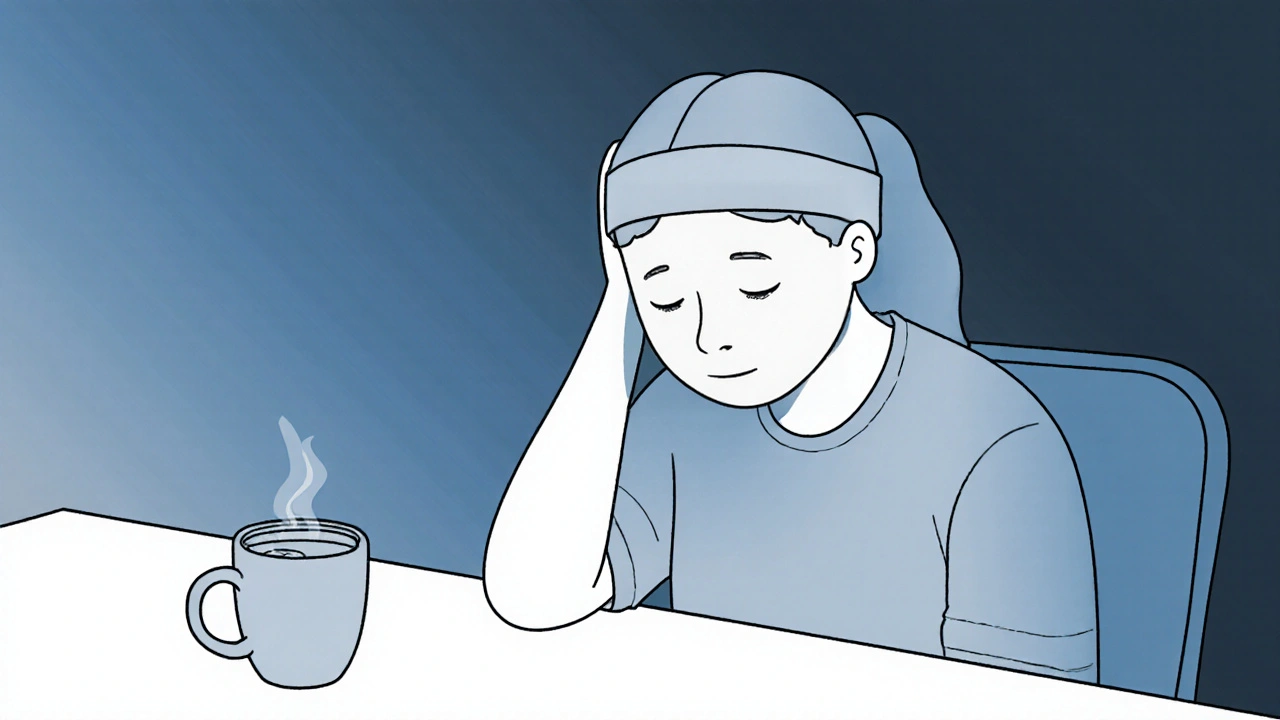
Tension, migraine, and cluster headaches are three distinct conditions with different causes, symptoms, and treatments. Learn how to tell them apart and what to do next.
Tension Headache: Causes, Triggers, and What Actually Helps
When you feel that dull, constant ache around your forehead or the back of your head, you’re likely dealing with a tension headache, a common type of headache caused by muscle tightness in the neck, scalp, or shoulders. Also known as stress headache, it’s not just "being tense"—it’s your body’s physical response to pressure, posture, or fatigue. Unlike migraines, tension headaches don’t usually come with nausea or light sensitivity. But they can last for hours—or days—and become so regular they ruin your focus, sleep, and mood.
What’s behind that tight band around your head? It’s often muscle tension, tightening in the neck, jaw, or scalp muscles from prolonged sitting, screen use, or clenching your teeth. Think about it: if you’re hunched over a keyboard all day, your shoulders rise, your neck strains, and your scalp muscles tighten. That’s not imagination—it’s anatomy. And it’s why people who work at desks or drive long hours report these headaches most often. Stress, whether from work, family, or lack of sleep, doesn’t cause the headache directly, but it keeps those muscles locked in place, turning a short twinge into a daily nuisance.
Some people mistake tension headaches for sinus issues or migraines. But if your pain is steady, not throbbing, and doesn’t come with visual disturbances or vomiting, it’s likely this type. What helps? Over-the-counter painkillers like ibuprofen or acetaminophen can give short-term relief, but they won’t fix the root cause. Stretching your neck, adjusting your chair height, taking breaks from screens, and even learning to relax your jaw at night can make a bigger difference over time. Even simple breathing exercises—just five minutes a day—can reduce muscle tension enough to cut the frequency of these headaches.
You’ll find posts here that go deeper: how certain medications can trigger or worsen these headaches, what role sleep quality plays, and why some people keep getting them even after trying everything. There’s no magic pill, but there are real, practical steps that work—ones you can start today, without a prescription.