
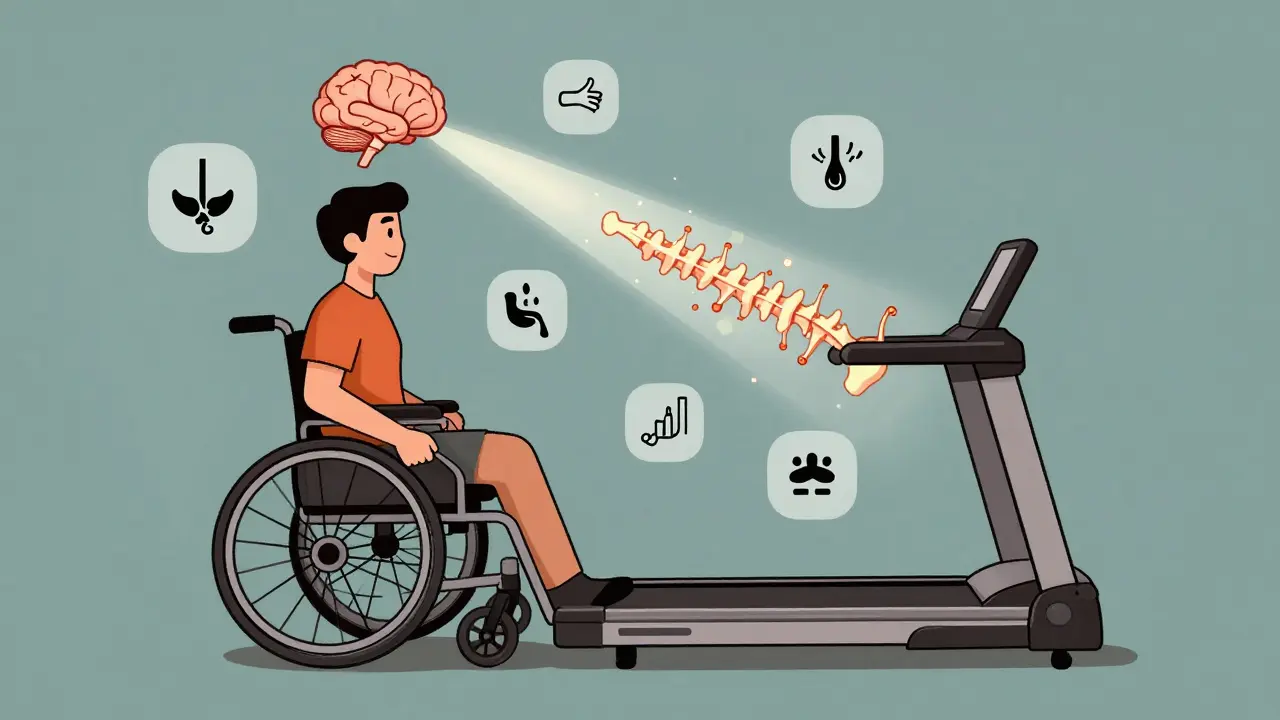
Spinal cord injury causes loss of movement and sensation, but modern rehab and assistive devices can restore independence. Learn how therapy, exoskeletons, FES cycling, and peer support help people rebuild their lives after SCI.
DoctorSolve.com: Your Pharmaceutical Advisor - Page 4
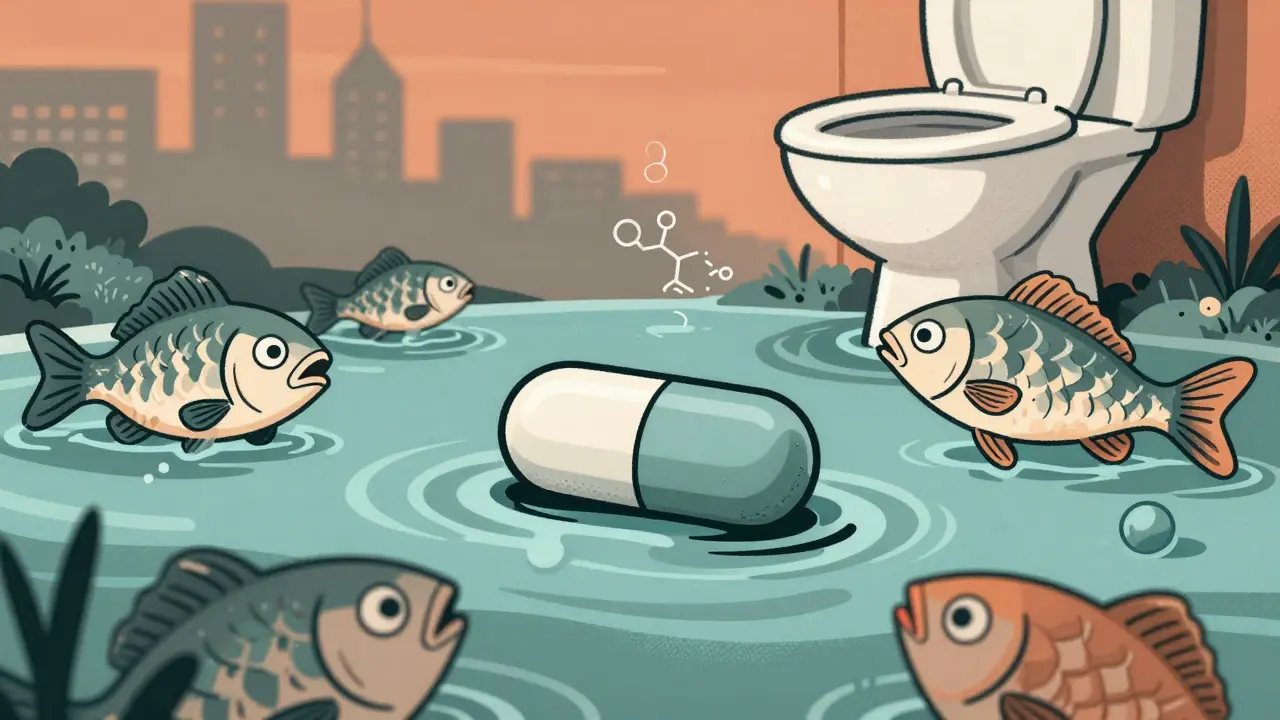
Flushing medications pollutes waterways and harms wildlife. Learn why this practice is dangerous, what alternatives exist, and how to safely dispose of unused drugs to protect the environment.
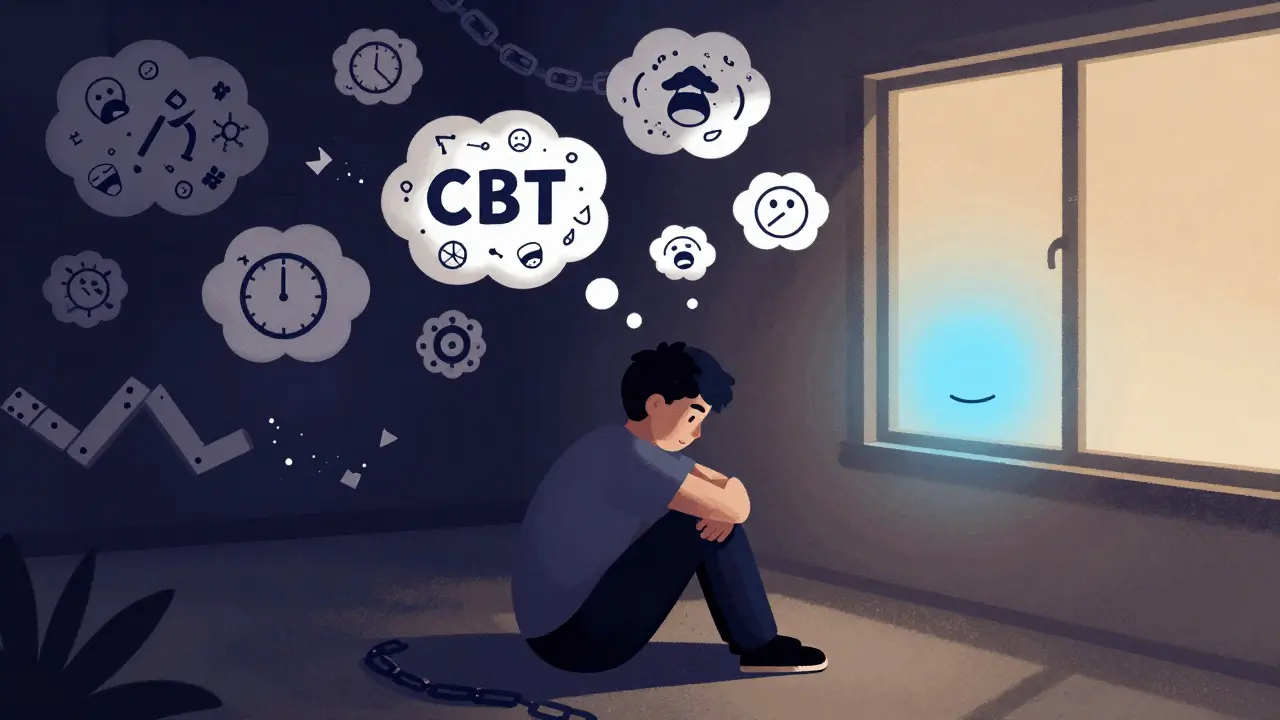
Anxiety disorders affect nearly 1 in 5 adults and include types like GAD, panic disorder, and social anxiety. Evidence-based treatments like CBT and SSRIs are proven to reduce symptoms. Learn the signs, what works, and how to get help.
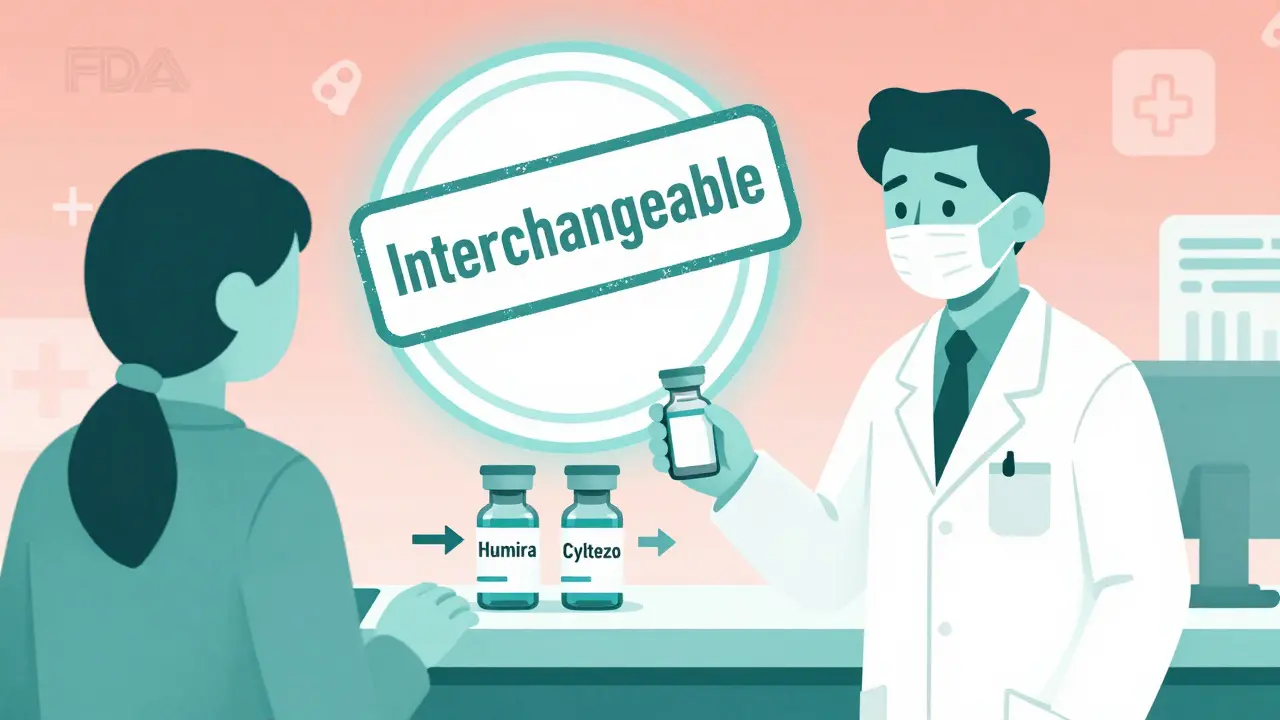
Interchangeable biosimilars can be swapped automatically at pharmacies in the U.S., but only if FDA-approved and allowed by state law. Unlike generics, they require extra testing to prove safe switching. Costs drop, but confusion and inconsistent rules remain.
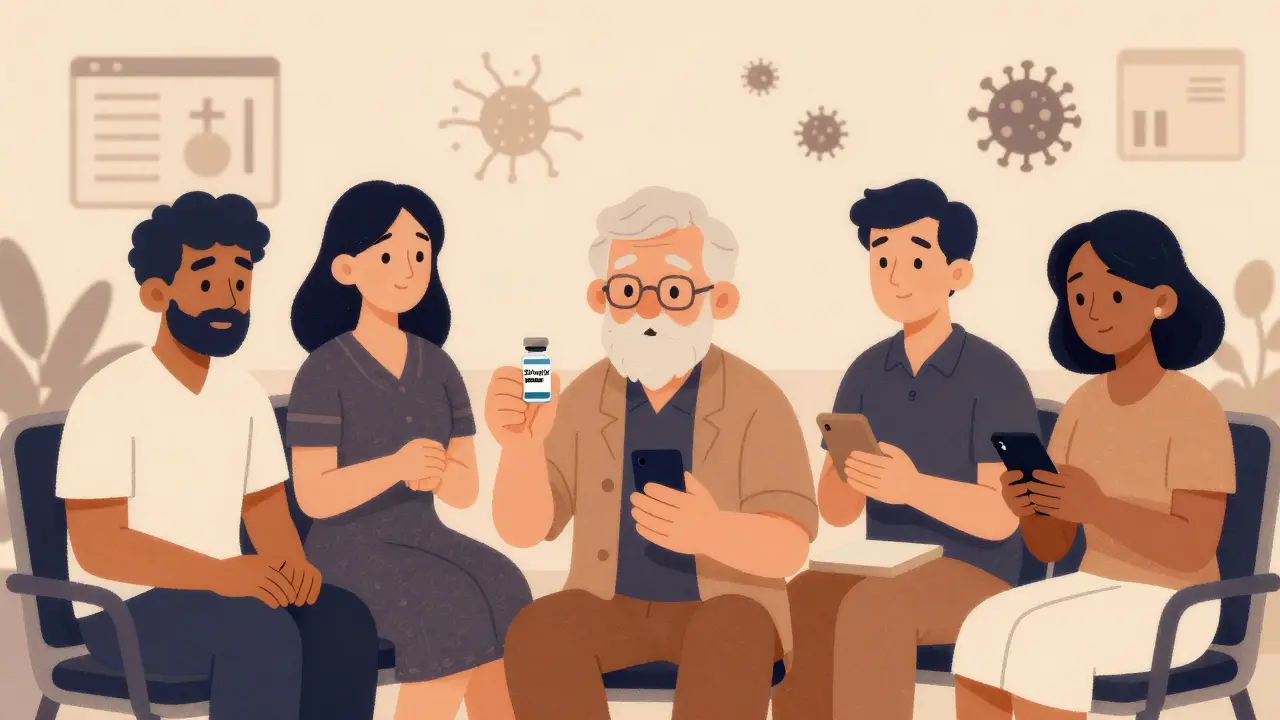
Shingrix is the only shingles vaccine available in the U.S. and is recommended for everyone 50 and older. It's more than 90% effective at preventing shingles and its painful complications. Learn who should get it, when to get the two doses, and what to expect.
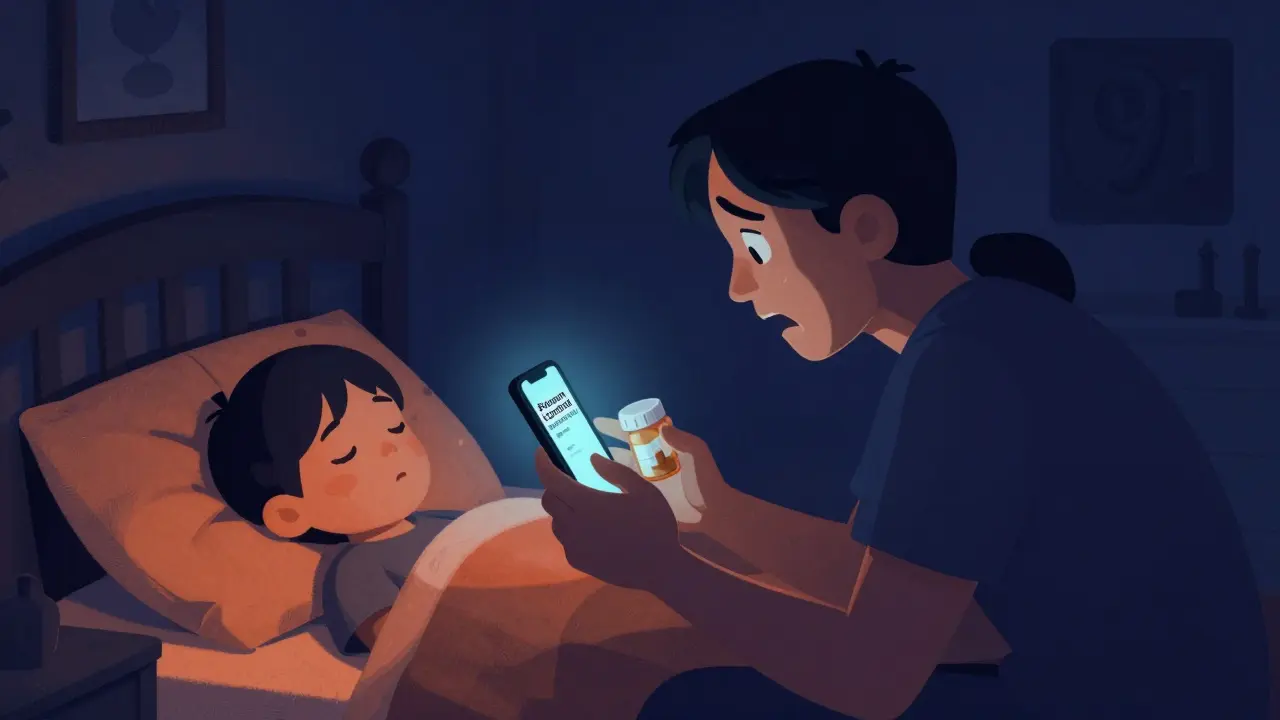
Know when to call poison control versus 911 during an overdose. Learn the critical signs that require emergency help, when home monitoring is safe, and what info to have ready. Save lives with the right action.
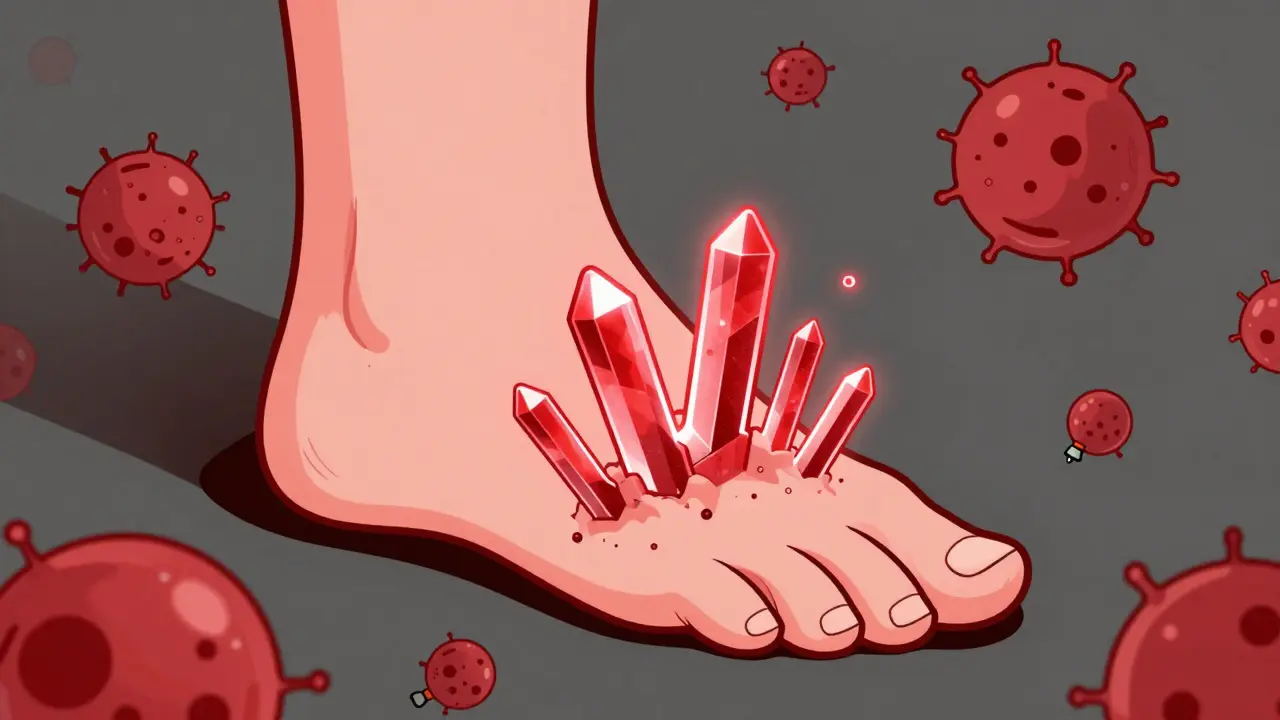
Learn how uric acid causes gout attacks, what triggers them, and the proven medication strategies to prevent future flares. Understand why long-term treatment beats quick fixes.
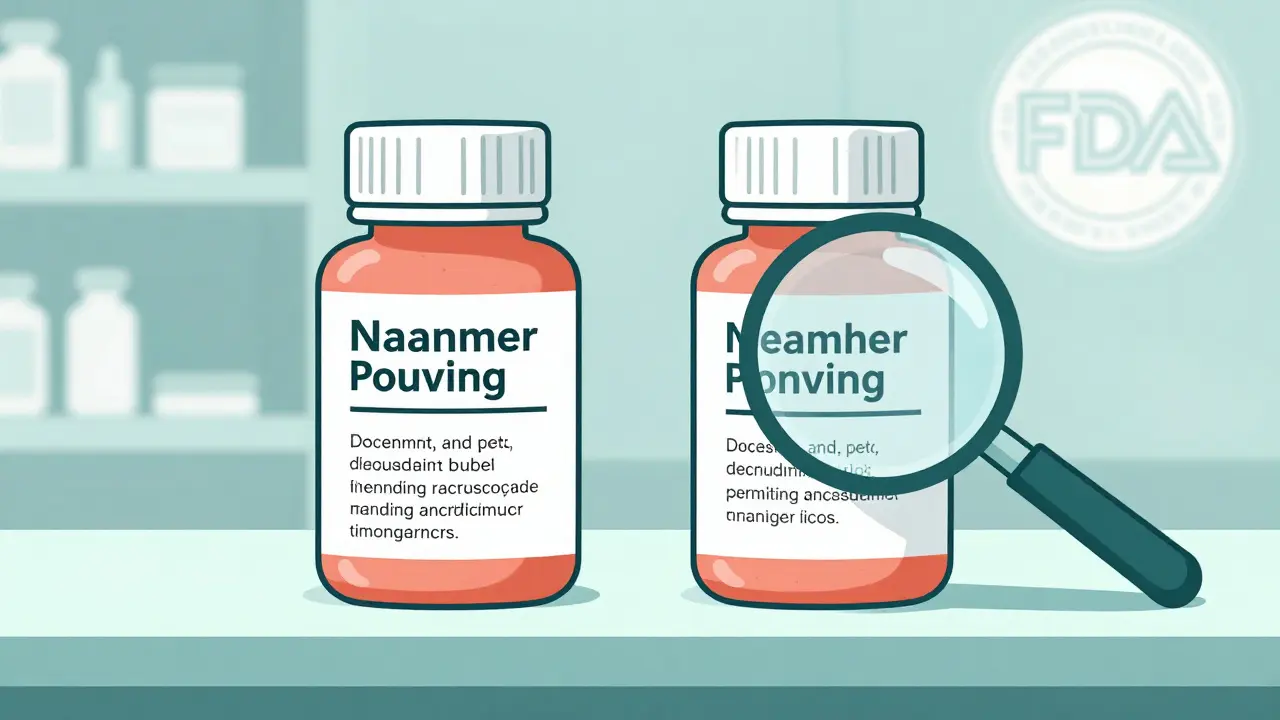
The FDA requires generic drug labels to match brand-name drugs exactly, with only minor exceptions. Learn how labeling rules work, why delays in updates can be dangerous, and what changes are coming in 2025.
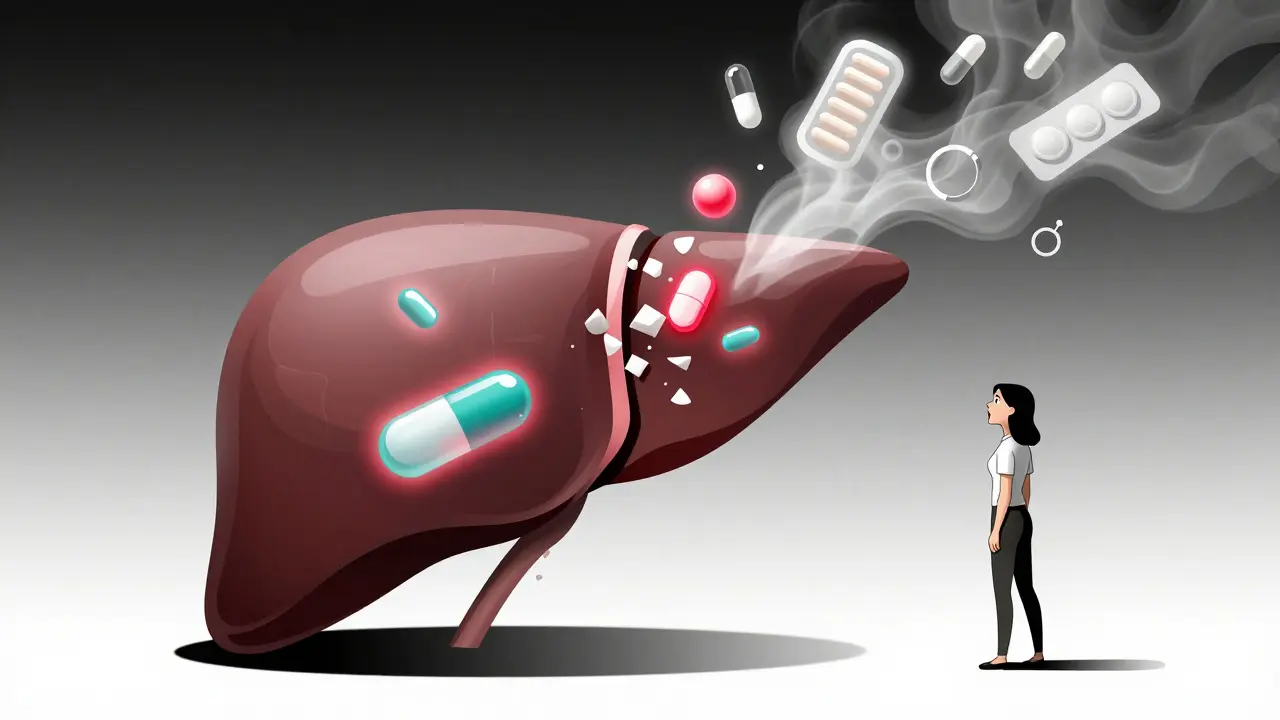
Rifampin is the only antibiotic proven to cause birth control failure by speeding up hormone breakdown. Learn why it's dangerous, how long the risk lasts, and what backup methods actually work.
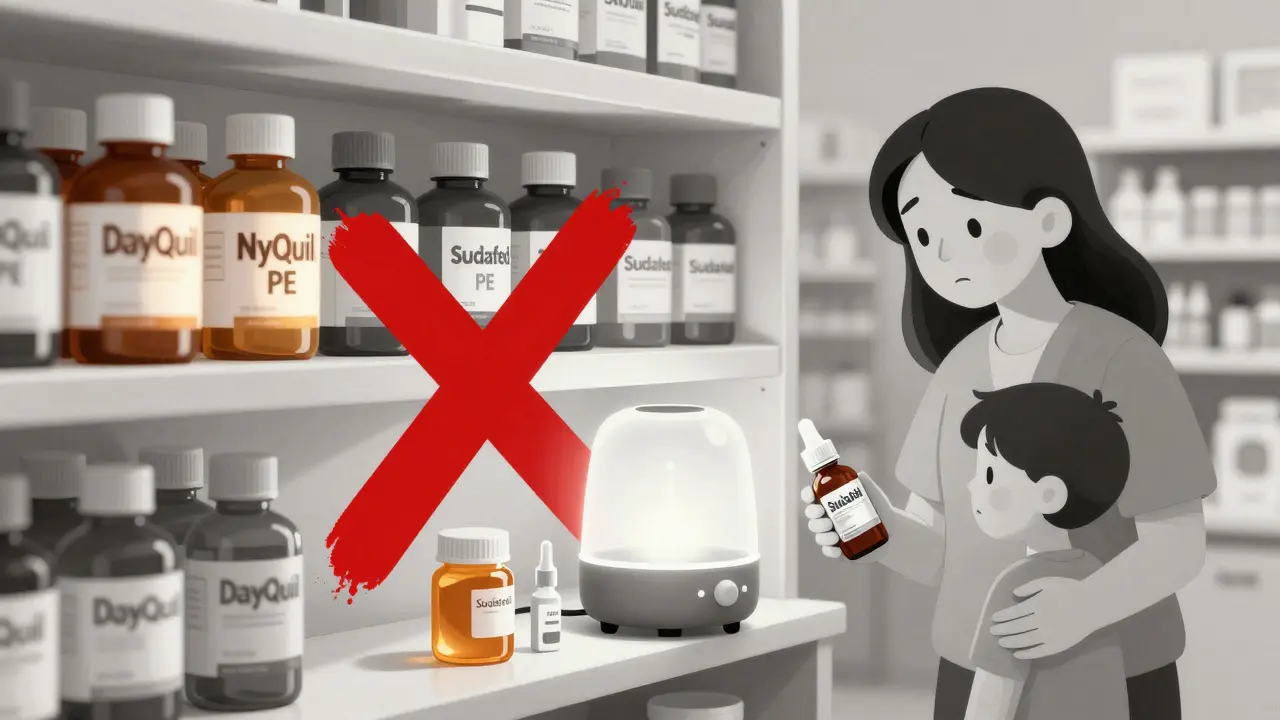
Most OTC cough and cold medicines don't work-and some can be dangerous. Learn what ingredients to avoid, what actually helps, and safe alternatives for kids and adults.